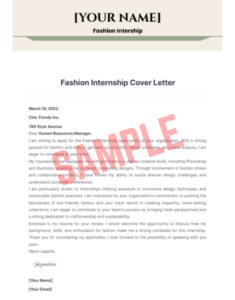
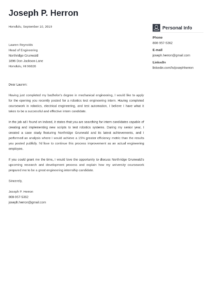
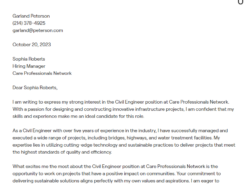
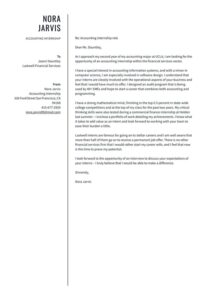
Landing an engineering internship can feel like navigating a complex circuit board, but a well-crafted cover letter is your essential tool to connect the right points. Many students look for a reliable cover letter template for engineering internship roles, and for good reason. It’s not just a formality; it’s your chance to speak directly to hiring managers, showcasing your potential and enthusiasm before they even glance at your resume.
Think of your cover letter as your personal elevator pitch. It’s an opportunity to highlight what makes you uniquely qualified and genuinely interested in a specific role at a particular company. While your resume lists your achievements, your cover letter tells the story behind them, illustrating your passion and how your skills align with the engineering challenges ahead.
This isn’t about simply filling in the blanks. It’s about understanding the core components that make an engineering cover letter shine. We’ll walk you through the process, offering insights and a foundational structure to help you build a compelling application that truly stands out from the crowd.
Building Blocks of a Stellar Engineering Internship Cover Letter
Your cover letter needs to be more than just a summary of your resume. It’s where you articulate your specific interest in an engineering role and demonstrate how your academic background, projects, and aspirations make you an ideal candidate. The goal is to make the reader eager to learn more about you.
Start by addressing your letter correctly. Research the company to find the name of the hiring manager or the head of the engineering department. A personalized salutation like “Dear Mr. Smith” or “Dear Ms. Johnson” immediately shows you’ve done your homework. If you can’t find a specific name, “Dear [Company Name] Hiring Team” is a professional alternative.
The opening paragraph is your hook. State clearly the position you are applying for and where you saw the advertisement. More importantly, briefly mention why you are excited about this specific opportunity and what draws you to this company’s work. A strong opening grabs attention and sets a positive tone for the rest of your letter.
Highlighting Your Relevant Skills and Projects
In the subsequent paragraphs, delve into your qualifications. This is where you connect your academic coursework and practical experiences to the requirements outlined in the internship description. For an engineering role, quantify your achievements whenever possible. Instead of saying “worked on a project,” say “optimized a circuit design, reducing power consumption by 15%.”
Showcase specific projects you’ve undertaken, whether in class, through extracurricular activities, or personal endeavors. Describe the problem you tackled, the methods you used (mentioning specific software, tools, or methodologies like CAD, MATLAB, Python, or agile development), and the results you achieved. This demonstrates your practical application of engineering principles and your problem-solving capabilities.
Demonstrating Enthusiasm and Future Potential
It’s crucial to convey your genuine enthusiasm for the company and the engineering field. Research the company’s recent projects, values, or innovations, and weave these insights into your letter. Explain why you are passionate about their mission and how you believe your skills and learning potential align with their goals. This shows you’re not just sending out generic applications.
Finally, your closing paragraph should reiterate your interest in the internship and the company. Express your eagerness to discuss how your qualifications would contribute to their team during an interview. Provide a clear call to action, perhaps stating that you look forward to hearing from them soon. Conclude with a professional closing like “Sincerely” or “Best regards,” followed by your full name.
Mistakes to Steer Clear Of and Pro Tips for Success
Even with a good cover letter template for engineering internship applications, it’s easy to fall into common traps. One major mistake is sending a generic letter. Hiring managers can spot these from a mile away. Each application should be tailored to the specific company and role, highlighting why you are a fit for *their* unique environment and challenges.
Another pitfall is neglecting proofreading. Typos, grammatical errors, or even addressing the letter to the wrong company name can instantly undermine your professionalism and attention to detail, qualities that are highly valued in engineering. Always proofread meticulously, and ideally, have someone else review it for fresh eyes.
To ensure your cover letter truly shines and helps you secure that interview, consider these pro tips:
- **Tailor Each Letter:** Never use the exact same letter for different companies. Customize it to reflect your specific interest in their projects and culture.
- **Quantify Achievements:** Whenever possible, use numbers and data to illustrate the impact of your work or projects.
- **Research the Company:** Show you understand their mission, recent work, and values. This demonstrates genuine interest.
- **Focus on Contribution:** Emphasize what you can bring to the company, not just what you hope to gain.
- **Keep it Concise:** Aim for one page, typically three to four paragraphs. Busy hiring managers appreciate brevity and clarity.
Crafting a compelling cover letter is a crucial step in securing an engineering internship. It allows you to present a personal narrative that complements your resume, articulating your passion, skills, and potential contributions to a prospective employer. By investing time in creating a thoughtful and customized letter, you significantly increase your chances of making a memorable first impression.
Remember, this document is your opportunity to connect on a human level, showcasing not just what you’ve done, but who you are as an aspiring engineer. Good luck with your applications; your diligence in preparing a strong cover letter will undoubtedly pave the way for exciting new opportunities.