Landing your dream job as a civil engineer often involves more than just a stellar resume; it requires a compelling cover letter that truly speaks to your skills and aspirations. Many job seekers underestimate the power of a well-crafted cover letter, viewing it as a mere formality. However, a thoughtful and personalized letter can be the crucial differentiator that grabs a hiring manager’s attention and prompts them to delve deeper into your application. This guide will walk you through creating an effective cover letter template for civil engineer roles, ensuring you present yourself as a top-tier candidate.
Think of your cover letter as your personal pitch – an opportunity to elaborate on your resume’s bullet points and infuse them with your unique personality and professional story. It’s where you can connect the dots between your past experiences and the specific requirements of the job you’re applying for, demonstrating a clear understanding of the role and the company’s vision.
A strong cover letter doesn’t just reiterate your resume; it builds upon it, offering context and insight into your career motivations and achievements. It’s your chance to convey enthusiasm, highlight transferable skills, and ultimately convince the recruiter that you are not only qualified but also an excellent fit for their team and culture. Let’s explore how to construct such a powerful document.
Why a Tailored Cover Letter is Your Blueprint for Success
In the competitive field of civil engineering, standing out from a pile of applicants can seem like a monumental task. Your resume provides the hard facts and figures of your professional journey, detailing projects, software proficiencies, and academic achievements. However, it’s your cover letter that truly brings these elements to life, offering a narrative that explains not just *what* you’ve done, but *how* you’ve contributed and *why* your experience makes you an ideal candidate for this specific role. It’s an invaluable tool for showcasing your communication skills and attention to detail, both critical attributes for any civil engineer.
A generic cover letter, one that could be sent to any company for any civil engineering position, is a missed opportunity. Recruiters are astute; they can spot a mass-produced letter from a mile away. What they truly value is a letter that has been carefully tailored to their specific job posting and company ethos. This demonstrates genuine interest and a proactive approach, showing you’ve taken the time to research their organization and understand their needs. It makes a strong impression even before they look at your qualifications.
Customizing your cover letter allows you to strategically highlight projects, skills, and experiences that directly align with the job description. For instance, if the role emphasizes bridge design, you can elaborate on your involvement in specific bridge projects, mentioning the software used, the challenges overcome, and the measurable outcomes. This goes beyond simply listing “proficient in bridge design” on your resume, providing tangible evidence of your capabilities.
Moreover, a tailored letter enables you to subtly address any gaps in your experience or pivot your narrative if you’re transitioning between specializations within civil engineering. Perhaps you’ve worked primarily in transportation but are eager to move into water resources; your cover letter is the perfect place to articulate this career shift and connect your existing skills to the new domain.
The opening paragraph of your cover letter is your hook, designed to immediately capture the reader’s interest. It should clearly state the position you are applying for and express your enthusiasm, perhaps even mentioning how you learned about the opportunity. The body paragraphs then expand on your most relevant qualifications, providing concrete examples and quantifying achievements wherever possible. The closing paragraph should reiterate your interest, express eagerness for an interview, and include a clear call to action, such as looking forward to discussing your application further.
Crafting Your Professional Narrative
Weaving your professional experiences into a compelling story is an art. Instead of simply listing duties, think about the problems you solved, the solutions you engineered, and the impact of your work. For a civil engineer, this might involve detailing how your design reduced costs by a certain percentage, or how your project management ensured on-time and under-budget delivery. These narratives transform your resume’s facts into compelling evidence of your value.
Quantifying your achievements whenever possible adds immense credibility. Numbers speak volumes. Did you manage a project budget of X million dollars? Did your infrastructure design improve efficiency by Y percent? Specifying these metrics provides concrete proof of your capabilities and impact, making your contributions far more tangible and impressive to a prospective employer.
Crucially, align your narrative with the specific requirements outlined in the job description. If the posting emphasizes sustainability, focus on your experience with green building practices or eco-friendly material selection. If strong leadership is a key requirement, highlight instances where you guided a team through complex engineering challenges. This direct alignment shows you’ve not only read the job description but also thoughtfully considered how your unique skills can directly benefit their organization.
Essential Components of a Winning Civil Engineering Cover Letter
A well-structured cover letter guides the reader seamlessly through your professional narrative, making it easy for them to grasp your qualifications and enthusiasm. While the content is paramount, the presentation and inclusion of standard professional components are equally important. These elements ensure your letter is professional, complete, and easy for recruiters to process.
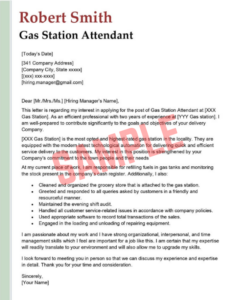
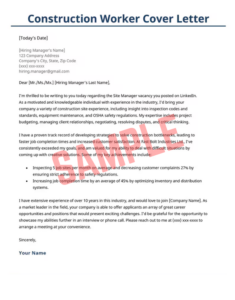
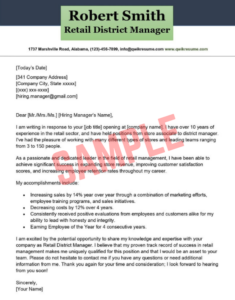
Having a clear understanding of what goes into such a document can significantly streamline your application process and ensure you don’t miss any critical details. A well-organized cover letter also reflects your meticulousness and professionalism, qualities highly valued in civil engineering. Here’s what a comprehensive cover letter template for civil engineer should include:
- Your Contact Information (Name, Address, Phone, Email, LinkedIn Profile)
- Date
- Hiring Manager’s Contact Information (Name, Title, Company Name, Company Address)
- Professional Salutation (e.g., “Dear Mr. [Last Name],” or “Dear Hiring Manager,”)
- Opening Paragraph (State position applying for, express enthusiasm, brief hook)
- Body Paragraphs (2-3 paragraphs detailing relevant skills, experiences, and accomplishments with examples)
- Closing Paragraph (Reiterate interest, express eagerness for an interview, call to action)
- Professional Closing (e.g., “Sincerely,” “Regards,”)
- Your Signature (Typed Name)
Each of these components plays a vital role. Your contact information ensures the employer can easily reach you, while the hiring manager’s details show you’ve done your research. A professional salutation sets the right tone. The opening paragraph immediately grabs attention, and the body paragraphs are where you truly showcase your engineering expertise with specific project details, software proficiencies like AutoCAD, Revit, or Civil 3D, and problem-solving examples. The closing paragraph ties everything together, reaffirming your interest and prompting the next step in the hiring process.
Crafting a compelling cover letter is an indispensable step in your job search, particularly in a specialized field like civil engineering. It offers a unique opportunity to present your professional story with a personal touch, transforming your resume from a list of facts into a dynamic narrative of your skills, achievements, and career aspirations. By meticulously tailoring each letter to the specific role and company, you not only demonstrate your qualifications but also your genuine interest and commitment.
Remember, your cover letter is your voice before you even step into an interview. It’s the first impression you make, a chance to convey your enthusiasm for engineering challenges and your potential contributions to a team. By following these guidelines and investing time in creating a thoughtful, personalized document, you significantly enhance your chances of securing that coveted interview and ultimately, your next impactful role in civil engineering.