Landing your dream job in education often starts long before you step into the interview room. It begins with a compelling cover letter, a powerful tool that introduces you and sets the stage for your application. If you’re looking for guidance on how to make yours stand out, a well-structured cover letter template for education position can be your secret weapon, helping you craft a document that truly reflects your potential and passion.
Think of your cover letter as your personal advocate, speaking directly to the hiring committee before they even look at your resume. It’s your chance to convey enthusiasm, highlight relevant experiences, and explain why you’re the perfect fit for the specific school or institution. This isn’t just a formality; it’s an opportunity to make a memorable first impression.
Throughout this guide, we’ll walk you through the essential elements of a winning education cover letter. We’ll explore how to tailor your message, what key information to include, and how to present yourself as the ideal candidate, ensuring your application gets the attention it deserves in a competitive field.
Crafting Your Standout Cover Letter for Education Roles
When you’re applying for an education position, your cover letter isn’t just about listing your qualifications; it’s about telling a story. It’s about demonstrating your philosophy, your experience, and your genuine excitement for shaping young minds. Every word should be carefully chosen to resonate with the specific institution and role you’re targeting. Avoid generic statements and instead, focus on how your unique skills and experiences align directly with their needs.
The Essentials of an Effective Opening
Your opening paragraph is crucial. It needs to immediately grab the reader’s attention and state your purpose clearly. Begin by expressing your keen interest in the specific position and institution. Mention where you saw the job advertised, and if possible, include the name of a mutual contact or someone who referred you. This personal touch can make a big difference, showing you’ve done your homework and are genuinely invested in this particular opportunity.
Highlighting Your Pedagogical Prowess
This is where you dive into the heart of your experience. Don’t just list responsibilities from your resume; instead, provide concrete examples that illustrate your teaching philosophy and impact. Did you implement an innovative curriculum that significantly improved student engagement? Did you develop a unique assessment method that enhanced learning outcomes? Quantify your achievements whenever possible. For instance, “Developed and implemented a project-based learning unit that resulted in a 20% increase in student comprehension scores.”
Focus on two to three key accomplishments or skills that are most relevant to the job description. If the school emphasizes technology integration, highlight your experience with educational software or online learning platforms. If they pride themselves on inclusive education, share how you’ve successfully supported diverse learners. Show, don’t just tell, how you can contribute to their educational environment.
Demonstrating Your Passion and Fit
Beyond your skills, hiring committees want to see your passion for education and how well you’d integrate into their school culture. Research the institution’s mission, values, and any unique programs they offer. Weave this knowledge into your letter, explaining why their particular approach resonates with you. Perhaps you admire their commitment to community involvement or their innovative pedagogical methods. This demonstrates genuine interest and shows you’re not sending out generic applications.
A Strong Call to Action
Conclude your letter by reiterating your enthusiasm for the position and the school. Express your confidence in your ability to contribute meaningfully and your eagerness to learn more. Politely request an interview, stating that you are available to discuss your qualifications further. Thank them for their time and consideration. This professional closing leaves a lasting positive impression and encourages them to take the next step.
Key Components to Include in Your Application
A well-organized cover letter ensures that all necessary information is present and easy to find, making a positive impression on the hiring manager. While the content is paramount, the structure and inclusion of standard components are equally important for a polished and professional document.
Every cover letter should begin with your contact information, followed by the date, and then the contact information of the hiring manager or department. Addressing the letter to a specific person is always preferable to a generic salutation like “To Whom It May Concern.” A personalized address shows attention to detail and a proactive approach. Following this, the body of your letter will flow, covering your introduction, main qualifications, and conclusion.
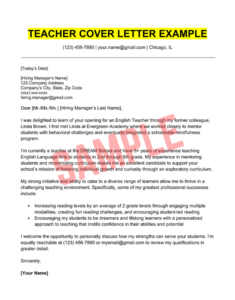
When you’re building your application, especially if you’re utilizing a cover letter template for education position, make sure these critical components are clearly laid out:
- Your Full Name and Contact Information (Address, Phone, Email)
- Date
- Hiring Manager’s Name and Title (if known)
- School or Institution’s Address
- Professional Salutation (e.g., “Dear Ms. Smith,” “Dear Principal Johnson,”)
- Opening Paragraph: State the position you’re applying for and where you learned about it.
- Body Paragraphs: Highlight your relevant skills, experiences, and achievements, tailored to the job description.
- Closing Paragraph: Reiterate your interest, express enthusiasm for an interview, and thank them.
- Professional Closing (e.g., “Sincerely,” “Respectfully,”)
- Your Signature (if submitting a physical copy)
- Your Typed Name
Remember, after all the components are in place, a thorough proofread is non-negotiable. Typos and grammatical errors can undermine even the most compelling message, so take the time to review your letter carefully or have someone else look it over.
Crafting an effective cover letter is a skill that improves with practice and careful consideration. By investing time in tailoring your message, highlighting your unique strengths, and presenting yourself professionally, you significantly enhance your chances of securing that coveted interview.
Your cover letter is more than just an introduction; it’s a testament to your professionalism, your passion for education, and your commitment to excellence. Take these insights, apply them diligently, and step confidently toward your next teaching adventure.