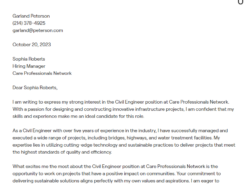
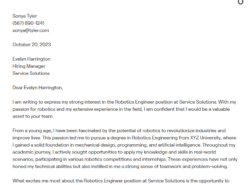
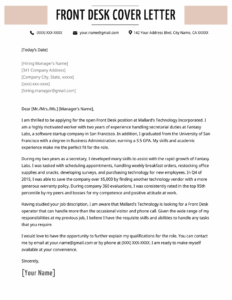
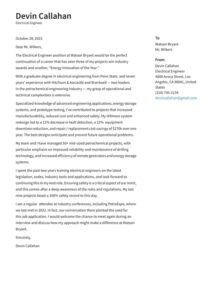
Navigating the job market as an engineer can feel like designing a complex system – every component needs to be perfect for the whole thing to function. While your resume highlights your technical prowess and project experience, a well-crafted cover letter is your chance to tell your story and make a personal connection. That’s why having a solid cover letter template for engineering jobs isn’t just a convenience; it’s a strategic tool to help you stand out in a competitive field.
Think of your cover letter as the bridge between your resume and the hiring manager’s desk. It’s where you articulate your passion, demonstrate your understanding of the role, and explain why you’re not just qualified but also the ideal fit for their team and company culture. It’s your opportunity to go beyond bullet points and truly showcase your unique value proposition.
This guide will walk you through the essential elements of an effective engineering cover letter, offering insights and a framework that will empower you to tailor each application with confidence. We’ll explore how to transform a generic application into a compelling narrative that captures attention and opens doors to interviews.
Crafting Your Engineering Cover Letter: More Than Just a Formality
When you’re applying for an engineering position, it’s tempting to think your skills and projects listed on your resume speak for themselves. While those are undoubtedly crucial, a cover letter serves a different, equally vital purpose. It’s your opportunity to provide context, personality, and a clear connection between your aspirations and the company’s needs. It’s where you bridge the gap between “what you’ve done” and “what you can do for them.”
The best engineering cover letters aren’t just rehashes of your resume. They are targeted, thoughtful documents that demonstrate genuine interest in the specific role and organization. Hiring managers want to see that you’ve done your homework and understand what their company does, its values, and the challenges they might be facing. This shows initiative and a proactive mindset, qualities highly valued in any engineering discipline.
Start by researching the company’s recent projects, technological stack, and even their mission statement. Look for keywords in the job description that hint at their priorities and challenges. Then, weave these insights into your letter, showing how your skills and experiences align perfectly with their current and future goals. This personalized approach immediately sets you apart from applicants who use a generic, one-size-fits-all letter.
Your cover letter is also the ideal place to elaborate on specific projects or experiences from your resume that are most relevant to the role. Did you overcome a particularly tricky technical challenge? Implement an innovative solution that saved time or resources? Quantify your achievements whenever possible, using numbers and data to illustrate the impact of your work. This level of detail provides concrete evidence of your capabilities and problem-solving abilities.
Beyond technical expertise, showcase your soft skills. Engineers often work in teams, collaborate with various departments, and need to communicate complex ideas clearly. Highlight instances where you’ve demonstrated strong teamwork, leadership, adaptability, or excellent communication skills. These interpersonal qualities are often just as important as your technical prowess for long-term success in a dynamic engineering environment.
Finally, always remember to proofread meticulously. A cover letter riddled with typos or grammatical errors can undermine your credibility, regardless of how impressive your technical background might be. A polished, error-free letter reflects attention to detail and professionalism, which are critical traits for any engineer.
Structuring Your Standout Cover Letter
An effective cover letter follows a clear, logical structure that guides the reader through your narrative. Start with a compelling opening paragraph that immediately grabs attention. Mention the position you’re applying for, where you saw the advertisement, and a brief, impactful statement about why you’re excited about this specific opportunity.
The body paragraphs are where you make your case. Dedicate one to two paragraphs to connect your most relevant technical skills and experiences to the job requirements. Use specific examples and results, not just generic statements. Another paragraph can focus on your soft skills and cultural fit, demonstrating how you align with the company’s values and team dynamics.
Conclude with a strong closing paragraph that reiterates your enthusiasm for the role and expresses your eagerness for an interview. Include a clear call to action, such as “I am confident that my experience in [specific skill] would be a valuable asset to your team, and I look forward to discussing my application further.”
What to Include That Gets Attention
To truly make your letter shine, focus on including elements that differentiate you. Highlight any unique projects or research you’ve contributed to, especially if they align with the company’s domain. Mention any patents, publications, or open-source contributions that demonstrate your passion and initiative beyond your direct work experience.
Emphasize your problem-solving methodology. Engineers are problem-solvers by nature. Briefly describe how you approach complex challenges, innovate solutions, and contribute to continuous improvement. This provides insight into your thinking process, which can be just as valuable as the technical solutions themselves.
Finally, convey your genuine enthusiasm for the company itself. What specifically about their mission, products, or impact excites you? Showing that you’re not just looking for “any” engineering job, but *this* engineering job, can make a significant difference.
Essential Components of a Winning Engineering Cover Letter
A well-structured cover letter includes several key components that ensure professionalism and clarity, making it easy for hiring managers to quickly grasp your qualifications. Even when using a cover letter template for engineering jobs, it’s crucial to personalize these sections to reflect your unique application. From your contact details to your closing remarks, each part plays a role in creating a compelling impression.
Begin with your contact information, the date, and the hiring manager’s contact information. If you don’t know the specific hiring manager’s name, addressing it to “Hiring Manager” or “Engineering Hiring Team” is acceptable, though always strive for a personalized salutation if possible. This foundational block sets a professional tone from the outset and ensures proper correspondence.
The main body of your letter is where you articulate your qualifications and enthusiasm, linking your past achievements to the prospective role. Each paragraph should build upon the last, guiding the reader through your professional narrative. Remember to use specific examples and quantifiable results to support your claims, demonstrating not just what you did, but the impact of your actions.
To ensure you don’t miss any crucial details, here’s a checklist of what a comprehensive engineering cover letter should generally include:
Ultimately, your cover letter is an opportunity to showcase not just your technical capabilities, but also your professional demeanor and communication skills. It’s a chance to tell your story in a way your resume cannot, forging a personal connection that can truly make your application memorable. By investing time in crafting a thoughtful and tailored letter, you significantly enhance your chances of landing that coveted interview.