Navigating the competitive world of academic research requires more than just a stellar CV and a list of publications. Your cover letter is often the first, and sometimes only, impression you make on a potential Principal Investigator (PI). It is your chance to shine, to articulate your passion, and to demonstrate why you are the ideal candidate for a specific lab. That’s why having a solid cover letter template for postdoc position applications can be an absolute game-changer, providing a structured starting point for your personalized pitch.
Think of your cover letter not as a mere formality, but as a strategic marketing document. It’s where you connect the dots between your past achievements, your future aspirations, and the specific needs and research interests of the lab you are targeting. A well-crafted letter can open doors, secure interviews, and ultimately help you land that dream postdoctoral position that propels your career forward.
But crafting such a letter from scratch for every single application can feel daunting and time-consuming. This guide aims to demystify the process, offering insights and a framework to help you construct compelling cover letters that stand out. We’ll walk through the essential components, common pitfalls, and strategies to ensure your application gets the attention it deserves.
Crafting Your Stellar Postdoc Cover Letter: Beyond the Template
While a cover letter template for postdoc position provides a great foundation, the true magic happens when you infuse it with genuine personalization and strategic content. Begin by thoroughly researching the Principal Investigator and their laboratory. Dive into their recent publications, understand their current projects, and identify any specific grants or research directions they are pursuing. This deep dive will not only inform your letter but also demonstrate your serious interest and understanding of their work.
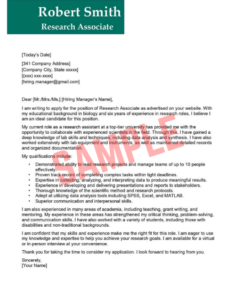
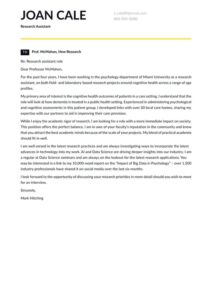
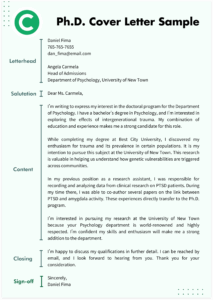
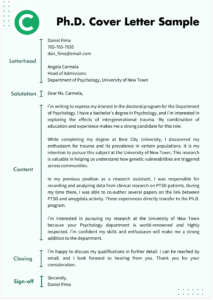
Your cover letter should generally follow a standard business letter format, but the content is where you truly differentiate yourself. The first paragraph is crucial; it needs to grab the reader’s attention immediately. Clearly state the position you are applying for and where you saw the advertisement, then briefly introduce your core research interest or a key skill that directly aligns with their lab. This is your initial hook, setting the stage for what’s to come and immediately establishing relevance.
The subsequent paragraphs, typically two to three, form the body of your letter. This is where you elaborate on your research background, highlighting specific projects, methodologies, and findings that are most pertinent to the PI’s work. Instead of simply listing your achievements, explain how your experience has equipped you with the skills and knowledge essential for contributing to their specific research goals. For instance, if the lab uses a particular technique, describe your proficiency and how you applied it in your previous work.
Crucially, you must explicitly connect your past work to their future. Do not just state what you have done; articulate how what you have done will benefit their lab. Show genuine enthusiasm for their research program and identify potential areas where your expertise could make a significant contribution. This might involve proposing a new angle for an existing project or demonstrating how your skills could accelerate their current investigations.
It is also important to showcase your transferable skills. Beyond your scientific expertise, PIs are looking for team players, effective communicators, independent thinkers, and problem-solvers. Provide brief examples that illustrate these qualities. Perhaps you mentored junior students, presented at conferences, or successfully managed a complex project with tight deadlines. These insights help paint a picture of you as a well-rounded and valuable addition to their team.
Finally, the concluding paragraph should reiterate your strong interest in the postdoc position and the PI’s research. Express your eagerness for an interview to discuss how your qualifications align perfectly with the lab’s needs. Thank them for their time and consideration, maintaining a professional and enthusiastic tone. Always ensure your contact information is clear and readily available.
What Makes a Postdoc Cover Letter Truly Stand Out?
Moving beyond the basic structure, a truly outstanding postdoc cover letter transcends generic statements and delves into specific, compelling arguments for your candidacy. It’s about demonstrating not just your competence, but your unique potential and fit within the PI’s research ecosystem. The most effective letters show a clear understanding of the lab’s specific challenges and how you are uniquely positioned to help overcome them or drive new discoveries.
One key element is showcasing your scientific curiosity and initiative. Rather than just recounting past projects, discuss how those experiences have shaped your intellectual interests and led you to specifically target this PI’s work. Perhaps you encountered a particular problem in your PhD research that the PI’s lab is actively addressing, or you developed a novel approach that could be applied to their ongoing studies. This level of insight shows genuine engagement and foresight.
Another powerful technique is to subtly articulate your long-term career goals and how this specific postdoc position fits into that trajectory. PIs want to invest in postdocs who are motivated and have a vision for their future, as this often translates into greater productivity and commitment. Connecting your personal ambitions with the opportunities present in their lab creates a compelling narrative that resonates beyond your technical skills.
- **Tailor extensively:** Each letter must be unique to the PI and lab. Generic letters are easily spotted.
- **Focus on impact:** Describe what you achieved and its significance, not just what you did.
- **Proofread meticulously:** Typos and grammatical errors can undermine your credibility. Have multiple people review it.
- **Keep it concise:** Aim for one page. PIs are busy and appreciate brevity and clarity.
- **Use strong action verbs:** Show, don’t just tell. Quantify achievements where possible.
Remember, your cover letter is not merely a summary of your CV in prose form. It is a strategic narrative designed to convince the hiring committee that you are not only qualified but also an enthusiastic and valuable addition to their research group. It’s an opportunity to convey your personality, your passion for science, and your fit within their team culture.
By focusing on these elements, you transform a standard application document into a powerful statement of intent and capability. It allows you to move beyond simply meeting the requirements and instead present yourself as an indispensable asset. Approach each letter with thoughtful consideration, and you’ll significantly increase your chances of securing that coveted interview for your next big step in research.