Landing a research assistant position can feel incredibly competitive, especially when you’re vying for a spot in a fascinating lab or alongside a leading academic. Your resume, while essential, only tells part of your story. What truly makes you stand out is a well-crafted cover letter that speaks directly to your passion, skills, and unique potential. That’s why having a solid cover letter template for research assistant position is not just helpful, it’s often the key to getting your application noticed. It provides a foundational structure, allowing you to effectively communicate why you’re the perfect fit.
In today’s academic landscape, where applications often pour in for limited roles, a generic cover letter simply won’t cut it. Recruiters and Principal Investigators (PIs) are looking for candidates who demonstrate genuine interest, an understanding of the research, and a proactive approach. This isn’t just about listing your qualifications; it’s about weaving a narrative that connects your experiences and aspirations with the specific needs of the research project.
This guide will walk you through the essential components of a winning cover letter, providing insights and a adaptable framework. We’ll delve into what hiring managers truly want to see, helping you to move beyond the standard formalities and create a compelling message that resonates. By the end, you’ll feel confident in crafting a cover letter that not only opens doors but also showcases your potential to contribute meaningfully to a research team.
Crafting a Compelling Cover Letter for Research Assistant Roles
Your cover letter is your opportunity to make a strong first impression, to present yourself as more than just a collection of bullet points on a resume. It’s where you can truly connect your past experiences, no matter how varied, with the specific demands and excitement of a research assistant role. Think of it as your personal elevator pitch, delivered in written form, designed to capture attention and spark curiosity about what you bring to the table. The goal is to make the reader want to learn more about you.
When starting to write, it’s crucial to remember that every research assistant position is unique. A successful cover letter isn’t a one-size-fits-all document; it’s a carefully tailored piece that speaks directly to the specific lab, project, and principal investigator. Begin by thoroughly researching the lab’s recent publications, current projects, and the PI’s research interests. This deep dive will not only inform your letter but also demonstrate your genuine interest and initiative, which are highly valued in research environments. Knowing their work allows you to articulate why you are genuinely excited about their specific contributions to the field.
Tailoring Your Introduction and Highlighting Relevance
The opening paragraph is your hook. It should immediately state the position you are applying for and express your enthusiastic interest. More importantly, it should briefly touch upon why you are a strong candidate, drawing a direct link between your background and the research being conducted. Avoid generic statements and instead, try to mention something specific about their work that captivated you. For example, referencing a particular study or publication demonstrates you’ve done your homework. This shows genuine engagement rather than just a blanket application.
Next, dedicate a paragraph or two to elaborating on your most relevant skills and experiences. This is where you connect the dots between your academic background, laboratory work, coursework, or even volunteer experiences and the requirements of the research assistant role. Did you conduct independent research for a class project? Have you worked with specific equipment or software? Did you manage data collection or analysis? Even if your experience isn’t directly in the exact field, highlight transferable skills such as critical thinking, problem-solving, attention to detail, organization, and a strong work ethic. Quantify your achievements whenever possible – for instance, "managed data for a study involving 50 participants" – as this provides concrete evidence of your capabilities.
Showcasing Your Understanding and Enthusiasm
A significant portion of your cover letter should be dedicated to showcasing your understanding of the research area and explaining why you are passionate about it. This isn’t just about repeating information from the lab’s website; it’s about articulating your intellectual curiosity and how your own interests align with their ongoing work. Explain why this specific research excites you and how you believe you can contribute to its goals. Perhaps you have a particular interest in the methodology they use, or you see a potential future direction that aligns with your own career aspirations. This demonstrates foresight and a deeper level of engagement.
Furthermore, consider including a brief anecdote or a specific learning experience that solidified your interest in research. This personal touch can make your letter more memorable and human. Maybe a challenging experiment taught you the value of persistence, or a fascinating lecture inspired you to delve deeper into a particular scientific question. These stories, even short ones, illustrate your journey and commitment to the scientific process.
Finally, bring your cover letter to a confident and professional close. Reiterate your strong interest in the research assistant position and express your eagerness to discuss your qualifications further in an interview. Thank them for their time and consideration. Maintain a positive and forward-looking tone. Remember, a well-structured and thoughtfully written cover letter is often what transforms an applicant into a potential team member, highlighting your unique blend of skills, passion, and potential contributions.
Your Essential Cover Letter Template for Research Assistant Position
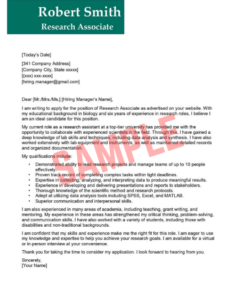
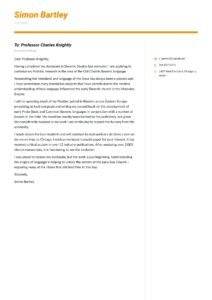
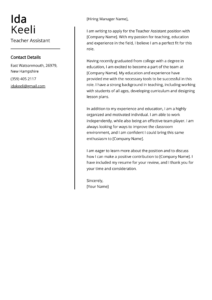
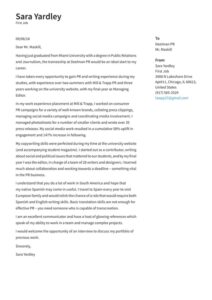
Having a structured approach can make the daunting task of writing a cover letter much more manageable. This cover letter template for research assistant position acts as a robust framework, guiding you through each crucial section and ensuring you don’t miss any vital information. It’s designed to be flexible, allowing you to infuse your unique personality and specific experiences while maintaining a professional and compelling format. Think of it as your personal blueprint for success, ready to be customized for every application.
While this template provides the bones, the magic truly happens when you fill it with your own authentic voice and specific details. Every research assistant role will have slightly different requirements and expectations, so treat this structure as a starting point. Your goal is to adapt each section to directly address the job description and the unique research focus of the lab you are applying to. Personalization is key to demonstrating genuine interest and making your application memorable to hiring managers.
Here’s a breakdown of the template structure, explaining what each section aims to achieve:
-
Your Contact Information
- [Your Full Name]
- [Your Address]
- [Your Phone Number]
- [Your Email Address]
- [Your LinkedIn Profile URL (Optional)]
-
Date
- [Date of Application]
-
Hiring Manager Contact Information
- [Hiring Manager Name, if known, or "Hiring Committee" / "Search Committee"]
- [Hiring Manager Title]
- [Department Name]
- [University / Institution Name]
- [University / Institution Address]
-
Salutation
- Dear [Mr./Ms./Dr. Last Name, if known], or "Dear Hiring Committee,"
-
Opening Paragraph
- State the position you are applying for (Research Assistant Position) and where you saw the advertisement.
- Express your enthusiastic interest in the role and the specific research conducted by the lab or PI. Briefly state why you are a strong candidate, linking your background to their work.
-
Body Paragraph 1: Highlighting Relevant Skills and Experiences
- Discuss your academic background, coursework, and practical experiences that are most relevant to the research assistant role.
- Highlight specific skills (e.g., laboratory techniques, data analysis software, experimental design, literature review) and provide brief examples of how you’ve used them.
- Mention transferable skills like problem-solving, critical thinking, attention to detail, and ability to work independently or as part of a team.
-
Body Paragraph 2: Demonstrating Passion and Fit
- Explain why you are particularly interested in this specific research, project, or lab. Reference specific work, publications, or the PI’s contributions.
- Articulate how your intellectual curiosity aligns with the lab’s goals and how you envision yourself contributing.
- Show your understanding of the research area and express your desire to learn and grow within their environment.
-
Closing Paragraph: Call to Action
- Reiterate your strong enthusiasm for the research assistant position.
- Express your eagerness for an interview to discuss how your qualifications and passion can benefit their research.
- Thank them for their time and consideration.
-
Professional Closing
- Sincerely,
-
Your Typed Name
- [Your Full Name]
Remember, the aim isn’t just to fill in the blanks, but to craft a narrative that showcases your genuine interest and potential to contribute meaningfully. Take the time to thoughtfully adapt each section, ensuring that your cover letter reads as a confident, articulate, and compelling argument for why you are the ideal candidate for their research assistant position.
Crafting an effective cover letter is a crucial step in distinguishing yourself in a competitive application pool. It’s your chance to move beyond the cold facts of a resume and present a dynamic picture of who you are as a budding researcher, highlighting your enthusiasm, relevant skills, and genuine interest in the specific work of the lab. By dedicating time to tailor each letter, you not only demonstrate your commitment but also provide the hiring committee with a clear vision of how you can contribute to their scientific endeavors.
As you finalize your application, remember to proofread carefully for any typos or grammatical errors. A polished, error-free document reflects your attention to detail, a highly valued trait in any research environment. With a well-structured, personalized cover letter that truly reflects your potential, you are significantly enhancing your chances of securing that coveted research assistant interview and taking the next exciting step in your academic journey.