So, you’ve embarked on the exciting journey of self employment. Congratulations! You’re your own boss, setting your own hours, and bringing your unique skills to the market. But amidst the thrill of landing clients and delivering fantastic work, there’s one crucial step that often feels like a chore: getting paid. Sending out an invoice might seem straightforward, but a well-structured one is key to ensuring you receive your earnings promptly and without hassle. It’s not just a request for money; it’s a professional representation of your services and a vital financial document.
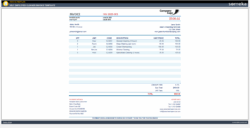
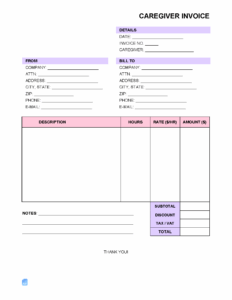
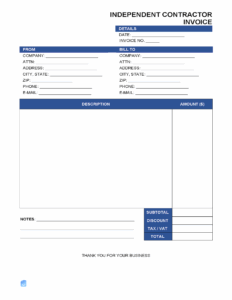
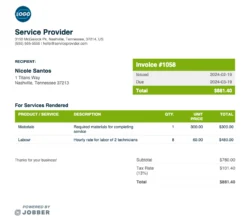
Many self-employed individuals find themselves wondering exactly what details to include, how to format everything clearly, and what makes an invoice truly effective. The last thing you want is a client confused about what they owe or when it’s due, leading to payment delays. This is where a simple, reliable solution comes in handy. You don’t need fancy accounting software or a complex system when you’re just starting out or running a lean operation. What you often need is a straightforward self employed basic invoice template that covers all the essentials.
This article will walk you through the core components of an effective invoice, highlight why a basic template can be your best administrative assistant, and help you understand how to ensure you’re always paid on time. Forget the stress of creating a new invoice from scratch every single time; let’s make invoicing a smooth, professional, and painless part of your business flow.
Crafting the Perfect Invoice: What Details Truly Matter?
When you sit down to create an invoice, think of it as a detailed report of the work you’ve done and the payment you expect. Its primary purpose is to clearly communicate what your client owes, why they owe it, and by when. A well-crafted invoice leaves no room for ambiguity, which in turn significantly speeds up the payment process. You want your client to glance at it and immediately understand all the pertinent information without having to chase you for clarification.
First and foremost, your invoice needs to clearly identify both you and your client. This includes full business names, addresses, and contact information. Think of it as the header of any formal document. Without this foundational information, your invoice lacks context and professionalism, potentially leading to confusion for accounting departments or individuals processing payments. It’s a simple step that sets the stage for the rest of the document.
Next, you’ll need to assign a unique invoice number. This is critical for record-keeping for both you and your client. Along with the invoice number, include the date the invoice was issued and, perhaps most importantly, the payment due date. Clear payment terms, such as “Net 30” (payment due within 30 days of the invoice date) or specific dates, prevent misunderstandings and encourage timely payments. This section acts as the administrative core of your invoice.
The core of your invoice will be the itemized list of services or products provided. Be as specific as possible here. Instead of just “Consulting,” perhaps “Website Design Consultation – 3 hours” or “Content Writing – Blog Post on SEO Strategies.” Include the quantity, unit price, and total for each item. This transparency helps your client understand exactly what they are paying for and confirms the value you’ve delivered, building trust and minimizing disputes.
Finally, compile all the costs to arrive at a subtotal. If applicable, add any sales tax, value-added tax (VAT), or other charges, clearly showing the calculation. The grand total should be prominently displayed. Below the total, include your preferred payment methods (e.g., bank transfer details, PayPal information) and any specific instructions. A small thank you note can also add a nice personal touch, reinforcing your professional relationship with the client.
Key Elements to Include on Your Invoice
- Your business name, address, and contact details
- Your client’s business name, address, and contact details
- A unique invoice number
- Date of invoice issuance
- Payment due date
- Detailed list of services or products, quantities, and unit prices
- Subtotal and any applicable taxes
- Total amount due
- Accepted payment methods and instructions
Embracing a Basic Invoice Template for Seamless Operations
You might be thinking, “This sounds like a lot of information to remember every time!” And you’d be right. Manually creating each invoice from scratch can be a time-consuming and error-prone process. This is precisely where a self employed basic invoice template becomes an invaluable asset for your business. It’s not about cutting corners; it’s about streamlining your administrative tasks so you can dedicate more energy to the actual work you love doing.
One of the biggest advantages is the significant time savings. Imagine having a pre-designed document where all your business details are already filled in, and the layout for client information, service descriptions, and payment terms is ready to go. You simply open the template, fill in the specific details for the current client and project, and hit send. This efficiency frees up precious hours that you can then invest back into client work, marketing, or even just enjoying a well-deserved break.
Consistency and professionalism also get a major boost. A template ensures that every invoice you send out has a uniform look and includes all the necessary information. This consistency projects an image of reliability and professionalism to your clients. They’ll appreciate the clear, easy-to-read format, which in turn makes their payment processing smoother and faster. A polished invoice reflects positively on your entire brand, even if it’s a basic self employed invoice template.
Furthermore, using a template drastically reduces the chances of human error. When you’re not trying to remember every single detail to include or calculate taxes on the fly, you’re less likely to make mistakes that could delay payment or create awkward conversations with clients. Pre-set formulas for calculations (if using a spreadsheet-based template) ensure accuracy, giving you peace of mind and maintaining good client relationships. It’s a simple tool that fosters financial accuracy and peace of mind.
In essence, adopting a basic invoice template allows you to focus on what truly matters: providing excellent service and growing your self-employed venture. It transforms the often-dreaded task of invoicing into a quick, routine step that supports your business’s financial health. It’s a small change that can lead to big improvements in how efficiently you manage your money and how professionally you present your services to the world.
Mastering your invoicing process is a fundamental step towards building a successful and sustainable self-employed business. By understanding the essential components of a clear invoice and leveraging the power of a simple template, you ensure that you not only deliver great work but also get paid for it efficiently and without stress. This proactive approach to your finances helps maintain healthy cash flow, which is the lifeblood of any independent venture.
Embrace these straightforward strategies to manage your billing, and you’ll find that the administrative side of your business becomes far less daunting. Focus on delivering value to your clients, knowing that your payment system is robust and professional. Your journey as a self-employed professional is filled with opportunities, and effective invoicing is one of the foundational pillars that will support your growth and allow you to thrive.