Starting out as a self-employed cleaner brings a wonderful sense of independence and the satisfaction of building something of your own. You’re your own boss, you set your own hours, and you determine your own rates. However, with this freedom comes the responsibility of managing your business effectively, and a crucial part of that is ensuring you get paid promptly and professionally for your hard work. This isn’t just about sending a quick text with a total; it’s about formalizing your services.
Many independent cleaners focus heavily on the cleaning itself – mastering techniques, securing clients, and delivering sparkling results. While this is undoubtedly the core of your business, the administrative side, particularly invoicing, often gets overlooked or handled in an improvised manner. A well-structured invoice, however, is more than just a request for payment; it’s a reflection of your professionalism and a vital record for both you and your clients.
That’s where a reliable self employed cleaner invoice template comes into play. Having a standardized, easy-to-use template not only saves you time on the backend but also projects an image of credibility and organization. It helps you keep track of your earnings, manage client accounts, and ensures all the necessary information is consistently communicated, streamlining your entire billing process from start to finish.
Why a Professional Invoice is Essential for Your Cleaning Business
When you’re running a cleaning business, especially as a sole proprietor, every detail counts in building trust and maintaining a professional image. An invoice isn’t just a piece of paper or a digital document; it’s a formal communication that clearly outlines the services you’ve provided, the cost associated with them, and the terms of payment. It eliminates ambiguity and provides a clear record for both parties, which is invaluable for preventing misunderstandings regarding payment or services rendered. It shows clients that you take your business seriously, fostering confidence and encouraging repeat business.
Beyond simply getting paid, professional invoices serve several critical functions for your business. They are indispensable for accurate financial record-keeping, making it significantly easier to track your income and expenses throughout the year. When tax season rolls around, having a neatly organized system of invoices will be a huge relief, simplifying the process of reporting your earnings and deductions. Furthermore, in the rare event of a dispute, a detailed invoice stands as a legal document, providing clear evidence of the agreement and services performed.
What to Include in Your Self-Employed Cleaner Invoice Template
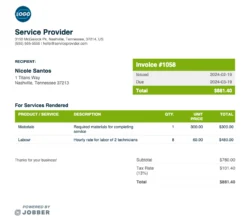
To ensure your invoice is comprehensive and professional, it needs to contain several key pieces of information. Skipping any of these can lead to confusion or delays in payment. Here’s a breakdown of the essential elements your self employed cleaner invoice template should always feature:
- Your Business Information: Your business name, your full name, address, phone number, and email. This makes it clear who the invoice is from.
- Client Information: The client’s name, address, and contact details. This ensures the invoice is directed to the correct party.
- Invoice Number: A unique, sequential number for each invoice. This is crucial for tracking payments and record-keeping.
- Invoice Date: The date the invoice was issued.
- Service Date(s): The specific date(s) or period when the cleaning services were performed.
- Description of Services: A clear, itemized list of the cleaning services provided (e.g., “Deep Clean – Kitchen,” “Standard Weekly Office Clean,” “Window Cleaning”). Be as specific as possible.
- Quantity/Hours: The number of hours worked or the quantity of a specific service provided.
- Unit Price/Rate: Your hourly rate or the price per specific service.
- Subtotal: The total cost of services before any taxes or discounts.
- Sales Tax (if applicable): Any relevant sales tax applied to the services.
- Total Amount Due: The final amount your client needs to pay.
- Payment Terms: Clearly state when payment is due (e.g., “Net 30,” “Due Upon Receipt”).
- Accepted Payment Methods: List how clients can pay you (e.g., bank transfer, PayPal, cash, check).
- A Thank You Note: A polite closing that expresses gratitude for their business.
Being meticulous about the service description is paramount. Instead of a vague “cleaning services,” detail “weekly home cleaning – living room, kitchen, two bathrooms” or “post-construction cleanup – 8 hours.” This transparency helps clients understand exactly what they’re paying for and reduces the likelihood of questions or disagreements later on. It reinforces the value you provide and builds trust by being open and direct about your work.
Clearly stating your payment terms and due date is equally important. Without this information, clients might assume they have an indefinite amount of time to pay, which can significantly impact your cash flow. Be explicit about when the payment is expected and, if applicable, mention any late payment fees you might charge. This proactive communication sets clear expectations and encourages timely payments, keeping your business financially healthy.
Finally, consider adding a personal touch or your business logo to your invoice. Even a simple thank you note or a small branding element can elevate the document from a mere bill to a professional communication from your business. It reinforces your brand identity and leaves a positive, lasting impression on your clients, reminding them of the excellent service they received and encouraging them to continue using your cleaning expertise.
Tips for Utilizing Your Self-Employed Cleaner Invoice Template Effectively
Once you have a solid self employed cleaner invoice template, the next step is to use it efficiently to streamline your business operations. First, always customize your template to reflect your unique brand. This means incorporating your business logo, using your preferred color scheme, and including any specific contact information or taglines. A branded invoice looks more professional and helps reinforce your business identity with every interaction, making your cleaning service more memorable.
Consistency is key when it comes to invoicing. Make it a habit to send out invoices promptly after completing a job, or at regular intervals for ongoing contracts (e.g., weekly or monthly). Delaying invoice submission can lead to delays in payment, which directly impacts your cash flow. Establishing a routine for when and how you send invoices ensures that you stay on top of your accounts receivable and maintain a steady income stream.
Think about how you’ll store and manage your invoices. While paper copies are an option, digital invoices are often more convenient for self-employed cleaners. You can easily create, send, and store them electronically, reducing clutter and making it simple to retrieve past invoices for accounting or client queries. Cloud-based storage solutions can provide an extra layer of security and accessibility, allowing you to manage your billing from anywhere.
Finally, don’t underestimate the power of follow-up. While a professional invoice sets clear expectations, sometimes clients might need a gentle reminder. If a payment is overdue, a polite follow-up email or call can often resolve the issue without escalating. Maintaining open and clear communication channels with your clients, even about payments, is crucial for fostering strong, long-lasting business relationships built on mutual respect and understanding.
Embracing a professional invoicing system is a fundamental step towards solidifying your self-employed cleaning business. It not only ensures you receive timely compensation for your hard work but also elevates your brand, establishes clear financial records, and fosters trust with your clientele. By taking the time to implement an effective invoice strategy, you’re investing in the stability and growth of your business for years to come.