Becoming a self employed caregiver is a profoundly rewarding path, offering flexibility and the deep satisfaction of providing essential support to those who need it most. You pour your heart and energy into ensuring the comfort and well-being of your clients, assisting with daily tasks, offering companionship, and becoming a trusted presence in their lives. While your primary focus is always on delivering exceptional care, the administrative side of running your own service is equally important for your success.
Often, caregivers transition into self employment because they are passionate about their work, not necessarily because they love bookkeeping. However, managing your finances effectively is crucial for maintaining a sustainable business. From tracking hours to detailing services provided, a clear system ensures you get paid accurately and on time, allowing you to continue dedicating yourself to your vital role.
This is where a dedicated system for your billing comes in handy. Having a reliable method for documenting your services and charges takes away much of the stress associated with the financial aspects of your work. Embracing a clear, professional approach to your invoices can truly streamline your operations, making sure both you and your clients have a transparent record of the services rendered.
Why a Professional Invoice Matters for Your Caregiving Business
When you’re a self employed caregiver, every interaction you have with a client or their family helps build your professional reputation. An invoice might seem like a small detail, but it speaks volumes about your organizational skills, attention to detail, and overall professionalism. It’s more than just a request for payment; it’s a formal document that reinforces your commitment to clear, transparent business practices, which in turn fosters trust and confidence in your services.
Beyond projecting a professional image, a well-structured invoice provides essential clarity for both you and your clients. It clearly outlines the services provided, the dates these services occurred, and the associated costs. This transparency helps prevent misunderstandings about billing, ensures everyone is on the same page regarding the financial agreement, and provides a clear record should any questions arise down the line. It acts as a detailed log of your work, making it easier for everyone involved to track expenditures and services received.
From a practical standpoint, professional invoices are indispensable for your own financial management and legal protection. They serve as critical records for tax purposes, allowing you to accurately report your income and track your earnings throughout the year. Should there ever be a dispute over services or payments, a detailed invoice provides concrete evidence of what was agreed upon and delivered, protecting both your interests and those of your client.
Key Elements Your Caregiver Invoice Should Include
To ensure your invoices are comprehensive and effective, there are several key pieces of information you should always include. Think of your invoice as a complete story of the services you provided during a specific period. Getting these details right not only ensures proper payment but also simplifies record-keeping for everyone involved.
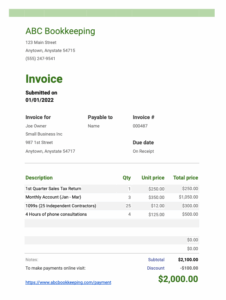
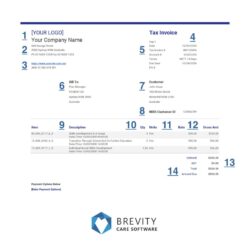
Every good invoice starts with clear identification. You’ll need your full name, address, phone number, and email, along with the same contact details for your client. A unique invoice number and the date of issue are also essential for tracking. Don’t forget to specify the service period, clearly indicating the dates your caregiving services were provided.
Next comes the core of the invoice: a detailed breakdown of your services. List each service individually, such as “personal care assistance,” “medication reminders,” “meal preparation,” “transportation to appointments,” or “light housekeeping.” For each service, indicate the hours worked or the flat fee charged, along with your hourly rate if applicable. Finally, total up all the charges to clearly show the grand total amount due. It’s also important to include your payment terms, such as “Payment due within 15 days” or “Net 30,” and the accepted payment methods.
Getting Started with Your Self Employed Caregiver Invoice Template
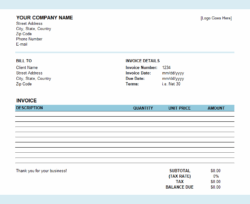
Embarking on the journey of creating your own invoice might seem daunting at first, but with a reliable self employed caregiver invoice template, it becomes surprisingly straightforward. The beauty of using a template is that it provides a pre-designed structure, saving you time and ensuring you don’t overlook any crucial details. You won’t have to start from scratch every time you need to bill a client, which is a huge relief when your main focus is on providing excellent care.
There are many ways to acquire or create an effective template. You could use readily available software like Microsoft Word or Excel to design your own, customizing it with your personal branding or logo. Numerous free online resources also offer downloadable templates specifically tailored for service providers, which you can easily adapt to fit your caregiving business. The key is to find a format that is clear, easy to read, and allows for all the necessary information to be included without clutter.
Once you have your template, personalize it. Add your name or business name, contact information, and perhaps a subtle logo to make it distinctly yours. Before sending it out, always double-check all the details: the client’s information, the dates of service, the description of each service, the rates, and the total amount. Accuracy is paramount for maintaining professionalism and avoiding billing discrepancies.
Implementing a consistent invoicing system, particularly one built around a well-designed self employed caregiver invoice template, is one of the smartest investments you can make in your self-employed caregiving career. It not only streamlines your financial processes but also enhances your credibility and ensures you’re compensated fairly and promptly for the invaluable work you do. This small organizational step can free up significant mental energy, allowing you to concentrate on what you do best: providing compassionate and dedicated care.
Adopting a systematic approach to your invoicing means less time spent on administrative worries and more time dedicated to your clients. It brings peace of mind, knowing that your financial records are in order and your income is reliably tracked. This foundation of clarity and professionalism empowers you to focus on the heart of your work, making a real difference in the lives of those you serve, confident that the business side of things is well-managed.