Getting your research published in a high impact journal like Scientific Reports can feel like a daunting task especially when you are staring at a blank screen trying to figure out how to pitch your work. The first thing an editor sees is not your data or your beautifully crafted figures but your cover letter. Having a reliable scientific reports cover letter template can make a world of difference because it provides a structured way to highlight why your study fits within their scope. While the journal focuses on technical validity rather than subjective impact you still need to communicate your findings clearly to move past that initial screening phase.
Scientific Reports is unique because it is one of the largest journals in the world and covers a vast array of disciplines. Because of this multidisciplinary nature the editors are looking for specific things that might differ from a very niche journal. They want to see that your work is rigorous and that you have followed all the necessary ethical and reporting guidelines. A good cover letter acts as a roadmap for the editor helping them navigate the complexities of your research without getting lost in the details too early in the process.
Using a template is a lifesaver for many researchers because it ensures that you do not forget the small but essential details that editors look for. It allows you to focus your energy on explaining the actual science rather than worrying about the formatting or the formal language required for a submission. When you have a solid foundation to work from you can tailor your message to speak directly to the editorial team and show them that your manuscript is ready for the peer review process.
What Makes a Submission Cover Letter Stand Out
Let us talk about what really happens behind the scenes at a Nature Portfolio journal. Editors are busy people who handle hundreds of submissions every month and they are looking for reasons to either move your paper forward or send it back for revisions. Your letter serves as the bridge between your raw data and the editor decision making process. It is not just a formality it is your chance to speak directly to the person who holds the keys to the peer review process. If you approach it as just another checkbox you might miss a golden opportunity to frame your research in the best possible light.
One of the biggest mistakes authors make is simply copying their abstract into the cover letter. This is a missed opportunity because the editor has already read your title and probably glanced at the abstract. Instead you should use this space to explain the context of your work. Why does this specific study matter in the current landscape of your field. How does it build upon or challenge existing literature. By providing this narrative you help the editor understand the core value of your research before they even dive into the methodology.
The Importance of Clarity and Precision
Scientific Reports is unique because it is a multidisciplinary journal. This means the editor handling your paper might not be a hyper specialized expert in your specific niche although they will certainly be knowledgeable in the broader field. Therefore your writing needs to be accessible without losing its scientific edge. You want to avoid overly dense jargon where a simpler explanation will do. The goal is to make it as easy as possible for the editor to see that your work is technically sound and adheres to the rigorous standards expected of the journal.
Another critical element to include is a statement regarding the novelty of the work. Even though this journal prioritizes technical accuracy over perceived importance you still need to confirm that the work is original and has not been published elsewhere. This builds trust with the editorial team and shows that you respect the integrity of the publishing process. If your study is part of a larger project or a follow up to previous work briefly mentioning that relationship can also provide helpful context for the editorial team.
Addressing Potential Conflicts and Ethics
Transparency is everything in modern scientific publishing. Your cover letter is the perfect place to explicitly state that all authors have approved the submission and that there are no undisclosed conflicts of interest. If your research involved human participants or animal subjects mentioning that you followed all necessary ethical guidelines and obtained the required approvals is essential. Including these details upfront shows the editor that you are a professional who takes research ethics seriously which can significantly speed up the initial vetting process.
Finally do not forget the logistical details. Make sure you clearly state the type of manuscript you are submitting whether it is an original article or a review. If you have specific suggestions for potential reviewers or individuals who should be excluded due to competing interests the cover letter is the appropriate place to list them. Providing a few well reasoned suggestions for reviewers can actually be very helpful for editors as it gives them a starting point for finding experts who are qualified to evaluate your specific technical approach.
How to Structure Your Document for Success
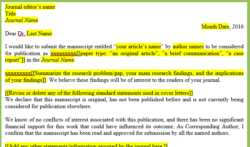
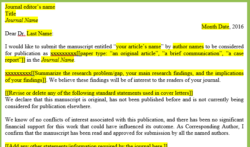
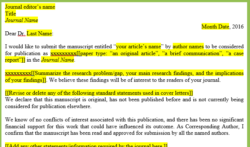
When you are ready to put pen to paper using a scientific reports cover letter template can help you organize your thoughts and ensure you do not miss any critical requirements. The structure of your message should be logical and easy to follow. Start with a professional header that includes your contact information and the date. Address the editor by name if possible or use a professional salutation if the specific editor is not known. The opening paragraph should immediately identify the title of your paper and the journal you are submitting to.
The middle section of your letter is where the heavy lifting happens. This is where you connect the dots between your research objectives and your conclusions. Think of it as a guided tour of the highlights of your study. You want to focus on the methodology and the validity of your results as these are the primary criteria for acceptance at this journal. If you used a particularly innovative technique or a large dataset that adds weight to your findings make sure those points are highlighted clearly so they do not get lost in the shuffle of the technical details.
Before you hit the submit button take a moment to double check that your letter feels cohesive and free of typos. A sloppy cover letter can inadvertently signal a lack of attention to detail which is the last thing you want when you are trying to prove the technical soundness of your scientific work. Reading it out loud can help you catch awkward phrasing or sentences that are too long. Remember the goal is to be a helpful partner to the editorial team providing them with all the information they need to make an informed decision about your submission.
- Official title of the manuscript you are submitting
- Name of the corresponding author and full contact details
- Brief explanation of the research background and main findings
- Confirmation that the work is original and not under consideration elsewhere
- Statements regarding research ethics and potential conflicts of interest
- Suggested reviewers or exclusions if applicable for the peer review process
Navigating the world of academic publishing is a marathon and not a sprint and every small detail counts toward your ultimate success. While the research itself is the most important part of your submission the way you present it to the editorial team can set the stage for a smoother peer review process. By using a structured approach and being clear about the value of your work you give your paper the best possible chance of being recognized for the hard work you put into it.
Take the time to refine your narrative and ensure that your cover letter reflects the quality of the science within your manuscript. It is often the little things like a well organized letter or a clear explanation of ethics that make an editor job easier and build a positive relationship with the journal. Stay focused on the technical rigor of your study and use your cover letter as a tool to showcase that excellence to the world.