Submitting your painstakingly researched manuscript to a journal is a significant milestone, and it all starts with making a strong first impression. Beyond the manuscript itself, your cover letter plays a pivotal role in this process, serving as your initial advocate to the journal editor. Having a clear and effective cover letter template for manuscript submission can truly set the stage for your work to receive the attention it deserves, highlighting its significance right from the outset. It’s not just a formality; it’s an opportunity to shine.
Think of your cover letter as the executive summary of your entire research project. It’s your chance to articulate the core message of your work, its innovative aspects, and why it’s a perfect fit for that specific journal. A well-crafted letter can pique an editor’s interest, encouraging them to delve deeper into your research and understand its potential impact on the scientific community and beyond.
Navigating the nuances of what to include and how to phrase it can be daunting, especially when you’re juggling multiple deadlines and the demands of academic life. That’s why having a reliable framework can be incredibly helpful, allowing you to focus on tailoring the content to your unique study and the journal’s particular scope. Let’s explore how to construct a letter that truly resonates.
Crafting Your Compelling Cover Letter
Creating a cover letter that stands out involves more than just listing your paper’s title. It’s about storytelling, pitching your research with clarity, and convincing the editor that your work is not only sound but also important and timely. The goal is to make the editor’s job easier by clearly outlining the value of your contribution, making them excited to learn more about your findings.
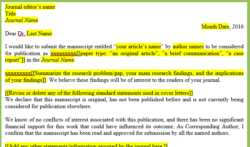
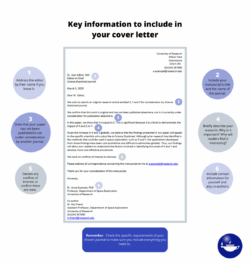
Begin by addressing the editor by name whenever possible. This personal touch demonstrates attention to detail and respect. Clearly state the title of your manuscript and the type of article it is (e.g., original research, review, case report). This immediate clarity helps the editor categorize your submission and ensures they have the correct information right at their fingertips, avoiding any potential confusion.
Next, dive into the heart of your research. In one or two concise paragraphs, explain the main objective of your study, the key methods you employed, and most importantly, your primary findings. Avoid jargon where possible, or explain it briefly if essential. The aim here is to provide a digestible overview that captures the essence of your work without overwhelming the reader with too much detail.
This is also where you highlight the significance of your findings. Why does your research matter? What gap in the existing literature does it fill? How does it advance the field? Connect your work to broader implications and explain its potential impact. This section is your persuasive argument for why your manuscript deserves to be published and why it aligns with the journal’s mission and readership.
Don’t forget to include essential declarations regarding the originality of your work, the absence of conflicts of interest, and confirmation that all authors have approved the submission. Many journals also require a statement about ethical considerations, such as institutional review board approval for studies involving human subjects or animal welfare protocols. Providing these assurances upfront demonstrates professionalism and compliance with academic standards.
Finally, consider whether your chosen journal allows for suggesting potential reviewers. If so, provide a few names with their affiliations and areas of expertise. Also, clearly state that your manuscript has not been previously published and is not under consideration elsewhere. This reinforces the uniqueness and commitment to the journal.
A Practical Cover Letter Template
While every manuscript and journal submission is unique, starting with a solid framework can immensely simplify the writing process. This general cover letter template for manuscript submission provides a backbone that you can adapt and personalize to fit the specifics of your research and the requirements of your target journal. Remember, customization is key; this is merely a starting point to guide your writing.
Think of each section as an opportunity to convey critical information efficiently. From the initial greeting to the final farewell, every sentence should serve a purpose, guiding the editor through the highlights of your submission. It helps you ensure that all necessary components are addressed, reducing the chances of overlooking vital details that could delay the review process.
The goal is to be concise yet comprehensive, providing enough information to intrigue the editor without becoming verbose. A well-structured template empowers you to focus on the content, ensuring your research is presented in the most compelling light possible.
Here’s a basic structure to follow:
* Editor’s Name and Title
* Journal Name
* Journal Address
* Date
* Dear [Editor’s Last Name]:
* Paragraph 1: State manuscript title, type (e.g., original research), and express your desire for submission to their journal.
* Paragraph 2: Briefly explain the background/problem your study addresses and its main objective.
* Paragraph 3: Summarize your key findings and their principal significance or contribution to the field.
* Paragraph 4: Declare originality, ethical compliance, and confirmation that all authors have approved the submission and agree with the content. Mention any conflicts of interest or lack thereof.
* Paragraph 5 (Optional): Suggest potential reviewers, if permitted by the journal guidelines, including their affiliations.
* Thank you for your time and consideration. We look forward to your positive response.
* Sincerely,
* [Your Name]
* [Your Affiliation]
* [Your Email]
* [Your Phone Number]
Investing the time to craft an effective cover letter is a crucial step in the publication journey, often overlooked but immensely powerful. It’s your initial point of contact, your pitch, and your chance to articulate the value of your hard work before the editor even reads a word of your paper. A well-composed letter demonstrates professionalism, clarifies your manuscript’s contribution, and can significantly enhance the reception of your submission.
By following a clear structure and focusing on the core message of your research, you can create a letter that not only meets journal requirements but also captivates the editor. This thoughtful approach ensures your manuscript stands the best chance of moving forward in the review process, ultimately bringing your valuable research to a broader audience. Good luck with your submissions!