Navigating the world of academic publishing can feel like a daunting journey, and one of the first hurdles you’ll encounter is crafting a compelling cover letter. This isn’t just a formality; it’s your paper’s first impression, a critical piece of communication that can set the tone for the entire review process. That’s why having a reliable cover letter template for paper submission in your toolkit is incredibly valuable.
Think of your cover letter as a polite, professional handshake with the journal editor. It’s your chance to briefly introduce your work, highlight its significance, and assure them that your manuscript is a perfect fit for their publication. A well-written cover letter demonstrates your professionalism and respect for their time.
While the core purpose remains the same, tailoring your letter to each specific journal is crucial. However, starting from a solid foundation, a structured template, can save you immense time and ensure you don’t miss any vital information. Let’s explore what makes an effective cover letter and how you can use a template to your advantage.
Crafting Your First Impression: The Essential Components of a Cover Letter
When an editor receives your manuscript, their first interaction is almost always with your cover letter. This document needs to be concise, informative, and persuasive, providing all the necessary details without overwhelming them. It’s not just an introduction; it’s a strategic summary designed to pique their interest and guide them toward your valuable research. Every element serves a purpose, from the recipient’s address to your closing remarks.
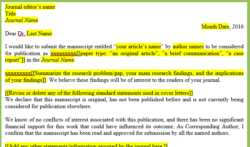
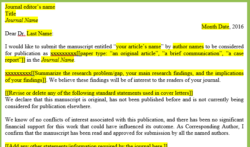
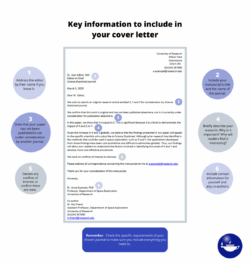
Firstly, addressing the editor correctly is paramount. Research the journal to find the name of the Editor-in-Chief or the specific section editor relevant to your submission. A generic “Dear Editor” can work if a name isn’t readily available, but a personalized address shows diligence and respect. Immediately after, clearly state the title of your manuscript and the type of article you are submitting (e.g., original research, review, short communication).
Next comes the crucial part: a brief but impactful summary of your research. This isn’t an abstract; it’s a few sentences that explain what your paper is about, what question it addresses, and its main findings or contributions. Why is your work important? What new insights does it offer? How does it advance the field? This section is your elevator pitch, designed to grab attention and convey the significance of your work quickly.
Highlighting Your Manuscript’s Suitability and Originality
Following the summary, you need to clearly articulate why your manuscript is a good fit for this specific journal. Mentioning the journal’s scope, mission, or a particular special issue demonstrates that you’ve done your homework and aren’t just sending it out blindly. Referencing specific articles previously published in that journal can also reinforce your understanding of their audience and interests. This shows thoughtful consideration rather than a scattergun approach.
An indispensable part of any cover letter is the statement of originality and ethical conduct. You must explicitly state that the manuscript is original, has not been previously published, and is not under consideration for publication elsewhere. Furthermore, confirm that all authors have read and approved the manuscript, and that any ethical guidelines (e.g., human subjects research, animal welfare) have been followed. Some journals also require you to declare any potential conflicts of interest at this stage.
Finally, conclude your letter with a polite closing, offering to provide any additional information or clarification the editor might require. Provide your full contact information, including your email address and institutional affiliation. Remember to proofread meticulously; a polished, error-free letter reflects positively on the quality of your research itself. A well-structured cover letter template for paper submission ensures you hit all these critical points every time.
Beyond the Template: Customization and Common Pitfalls
While a good template provides a solid framework, simply filling in the blanks won’t suffice. The true power lies in using the template as a starting point, then customizing it to resonate with each specific journal and the unique aspects of your research. Think of it as a blueprint that you then meticulously decorate and furnish to make it truly welcoming and unique. Always consider the target audience – the journal editor and reviewers – and what they would find most compelling about your submission.
One common pitfall is failing to tailor the letter. Sending a generic letter is a red flag that you haven’t taken the time to understand the journal’s focus. Another mistake is making the cover letter too long, turning it into a second abstract. Editors are busy; they appreciate brevity and clarity. Avoid jargon where simpler language can suffice, and ensure your key message about your paper’s significance is immediately apparent. Don’t forget to double-check all names, titles, and journal specifics – typos here can undermine your credibility.
To ensure your cover letter is as effective as possible, consider this quick checklist before you click ‘submit’:
- Is the editor addressed by name and correct title?
- Is the manuscript title and type clearly stated?
- Is there a concise summary highlighting the paper’s main contribution?
- Does it clearly explain why the paper fits *this* journal?
- Is the originality and ethical statement included?
- Are all authors aware of and approve the submission?
- Is all contact information accurate and complete?
- Has it been thoroughly proofread for grammar, spelling, and typos?
Crafting a compelling cover letter for your paper submission is an art, but it’s an art that can be mastered with practice and the right tools. By utilizing a strong template as your foundation and then infusing it with thoughtful customization, you significantly increase your chances of making a positive first impression. Remember, this letter is your advocate, a champion for your research before the full manuscript is even reviewed in detail. It’s an opportunity to shine a light on the value and relevance of your work.
Taking the time to refine this initial communication reflects the care and dedication you’ve put into your research itself. A clear, professional, and persuasive cover letter not only facilitates the editorial process but also communicates your respect for the journal and its readers. It’s an investment in your paper’s journey from submission to publication.