Every business owner knows the thrill of landing a new client and the satisfaction of delivering excellent work. However, the joy can quickly turn into frustration when payment due dates come and go without funds hitting your account. Late payments are more than just an annoyance; they can significantly impact your cash flow, hinder your ability to pay your own bills, and even stifle growth. It is a common challenge that many freelancers and small to medium-sized businesses face, often leading to awkward conversations and wasted time chasing outstanding invoices.
Dealing with delinquent payments requires a clear, professional approach. While nobody enjoys charging extra fees, implementing a late payment policy and consistently applying it can be a vital part of your financial health strategy. It serves as a deterrent for future late payments and compensates you for the additional administrative effort and financial strain caused by delayed income.
This is where a dedicated system, such as using a late payment fee invoice template, becomes invaluable. It streamlines the process, ensuring you communicate clearly, professionally, and consistently when you need to levy a fee. Having a ready-to-use template saves you time, reduces stress, and reinforces the importance of timely payments, ultimately protecting your business’s financial stability.
Why a Late Payment Fee Invoice Template is Essential for Your Business
When a client fails to pay an invoice on time, it triggers a chain reaction that affects your operations. You might spend extra hours sending reminders, making phone calls, and adjusting your financial projections. These aren’t just minor inconveniences; they represent lost productivity and additional administrative costs. A late payment fee invoice template addresses these issues head-on by providing a structured way to recover some of those losses and encourage prompt payment.
Using a template ensures consistency across all your late payment communications. This level of professionalism reinforces your business’s integrity and demonstrates that you have clear, established procedures. It removes the ambiguity that might arise from ad-hoc emails or hastily drafted notices, making it clear to the client what is owed and why. This clarity can also help prevent disputes by referencing your pre-agreed payment terms.
Moreover, a well-structured template serves as a legal document, detailing the additional charges and referring back to the original terms of service or contract where late payment penalties were outlined. This documentation is crucial should you need to escalate the matter further. It provides a clear audit trail and evidence of your efforts to collect payment, including the late fees.
From a financial perspective, late payment fees are not just about punishment; they are about compensation. They help to offset the opportunity cost of money you should have received earlier, cover bank charges for insufficient funds, or even the cost of borrowing to cover your own shortfalls. It ensures that your business isn’t solely bearing the financial burden of a client’s delayed payment.
Ultimately, having a reliable late payment fee invoice template is about taking control of your accounts receivable. It empowers you to maintain healthy cash flow, reduce the stress associated with outstanding payments, and ensure your time is spent on productive work, not chasing money. It is a proactive tool that supports the financial well-being and sustainability of your business.
Key Elements Your Template Should Include
- Your business name, address, and contact information
- Client’s business name, address, and contact information
- A unique invoice number for the late payment fee
- The date the late payment fee invoice is issued
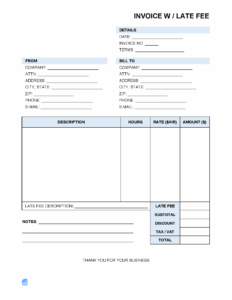
- Reference to the original invoice number and its date
- The original due date of the overdue invoice
- A clear description of the late payment fee (e.g., “Late Payment Fee – Original Invoice #XXXX”)
- The amount of the late payment fee
- The total amount currently due (original outstanding balance + late fee)
- New payment due date for the late payment fee
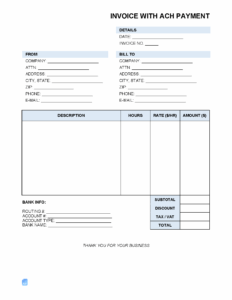
- Clear payment instructions (e.g., bank transfer details, payment portal link)
- A brief reminder of your late payment terms and conditions, referencing your initial contract
Implementing Your Late Payment Fee Policy Effectively
Having a late payment fee invoice template is just one piece of the puzzle; implementing your late payment policy effectively is what truly makes a difference. The journey to collecting overdue payments and associated fees begins long before a payment becomes late. It starts with clear communication in your initial contracts and invoices, ensuring that clients are fully aware of your payment terms, including any penalties for late payments. Transparency from the outset can prevent misunderstandings and set appropriate expectations.
When it comes to calculating the late fee, consistency is key. Whether you opt for a flat fee, a percentage of the outstanding balance, or a daily/weekly increment, make sure it’s applied fairly and in accordance with your pre-established terms. It’s also wise to be aware of any local or national regulations regarding late payment charges, as these can vary significantly. Some regions might cap the percentage you can charge or stipulate conditions under which fees can be applied.
The timing of sending your late payment fee invoice is crucial. It often follows a series of polite reminders and a grace period. For example, you might send a friendly reminder email a few days before the due date, another on the due date, and then a more formal notice once the payment is a week or two overdue. Only after these initial steps and grace period has passed should the late payment fee invoice be issued, ensuring the client has had ample opportunity to pay the original amount.
Even with a late payment fee invoice template in hand, follow-up is essential. Don’t simply send the invoice and hope for the best. Be prepared to communicate further, whether through a follow-up email or phone call, to discuss the overdue amount and the applied fee. While nobody enjoys these conversations, a professional yet firm approach can often yield positive results. Maintaining a detailed record of all communications and actions taken is also vital for future reference and financial tracking.
Maintaining healthy cash flow is a critical component of any thriving business. By standardizing your approach to overdue payments, you not only recover lost funds but also establish a professional boundary that encourages clients to respect your payment terms. This proactive measure provides peace of mind and allows you to focus on what you do best: growing your business and serving your clients.
Embracing tools like a well-designed late payment fee invoice template empowers you to safeguard your financial interests and foster a more reliable payment culture within your client relationships. It’s an investment in your business’s stability and its future success.