Every business, no matter its size, eventually faces the challenge of clients paying late. It is a common hurdle that can significantly impact cash flow and operational stability. When invoices go unpaid past their due dates, it is not just an inconvenience; it can disrupt financial planning, delay your own payments to suppliers, and even stifle growth opportunities. This is where having a clear strategy for managing overdue accounts becomes not just helpful, but essential for your business’s health.
Navigating these situations effectively means having the right tools at your disposal to encourage prompt payment without damaging client relationships. While a polite reminder can often do the trick, some situations call for a more structured approach. Implementing a system that addresses late payments professionally and consistently is a hallmark of a well-run business, ensuring you are compensated fairly for your services or products and that your time and money are respected.
One highly effective way to mitigate the financial strain of overdue invoices and encourage timely payments is to charge interest on late payments. This practice not only provides a financial incentive for clients to pay on time but also helps to recover some of the costs associated with delayed cash flow. A well-designed late payment interest invoice template simplifies this entire process, allowing you to quickly and accurately bill for interest owed, maintaining professionalism and clarity every step of the way.
Understanding the Importance of Charging Late Payment Interest
The impact of late payments on a business extends far beyond just waiting a few extra days for money to arrive. It can create a domino effect, leading to a shortage of funds for your own operational expenses, payroll, or even investment opportunities. When clients consistently pay late, it forces you to spend valuable time and resources chasing payments, diverting attention from more productive tasks like growing your business or serving new customers. This financial strain and administrative burden can be a significant drain on your enterprise.
Charging interest on late payments serves multiple purposes. Firstly, it acts as a deterrent, encouraging clients to prioritize your invoices to avoid additional charges. It sends a clear message that your payment terms are serious and that you value your time and the financial health of your business. Secondly, it helps to compensate you for the loss of use of your money. The longer an invoice remains unpaid, the longer you are effectively lending money to your client without interest, which can be detrimental to your bottom line.
Most importantly, establishing a clear policy for late payment interest, and communicating it upfront in your terms and conditions, sets professional boundaries. It ensures that both parties understand the expectations regarding payment timelines and the consequences of failing to meet them. This transparency helps to foster healthier, more respectful business relationships in the long run, as everyone knows where they stand. It is a proactive measure that protects your interests and reinforces the value of your services.
Key Components of an Effective Late Payment Interest Invoice
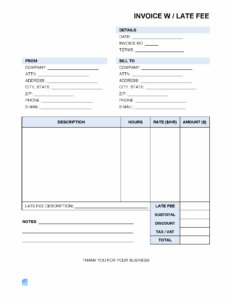
Using a reliable late payment interest invoice template ensures all these critical details are consistently included, leaving no room for misunderstanding. It provides a structured format that looks professional and is easy for your clients to understand, making the payment process as smooth as possible, even when interest is involved. This template becomes a standardized tool, saving you the hassle of drafting a new document for each overdue account, thus improving efficiency.
When calculating the interest, it is crucial to ensure accuracy. The interest rate should typically be stipulated in your initial terms of service or on the original invoice. Common methods include a simple annual percentage rate (APR) divided by the number of days or months, or a fixed late fee. Always check local regulations regarding maximum allowable interest rates to ensure compliance. Clearly showing the calculation on the invoice helps build trust and transparency with your clients.
Creating and Using Your Late Payment Interest Invoice Template
Having a pre-designed late payment interest invoice template ready to go is a game-changer for any business facing overdue accounts. It transforms a potentially time-consuming and frustrating task into a straightforward process. A template ensures consistency across all your late payment communications, projecting a professional image and minimizing the chances of errors. Instead of scrambling to create a new document each time, you can simply plug in the specific details and send it out, saving precious time and mental energy.
You do not need specialized software to create an effective template, although many accounting platforms offer such features. Simple word processors like Microsoft Word or Google Docs can be used, allowing you to design a template with your branding, logo, and all necessary fields. Alternatively, spreadsheet programs like Excel can automate some of the calculation processes, making it even more efficient. The key is to have a structured document that you can easily modify for each specific late payment scenario.
When it comes to using your template, the process is quite simple. First, identify the original invoice that is overdue and confirm your policy for charging interest. Next, accurately calculate the interest based on your agreed terms and the number of days or months the payment is late. Then, populate your late payment interest invoice template with all the relevant information: the original invoice details, the calculated interest, the new total amount due, and any updated payment instructions.
After populating the template, it is vital to communicate clearly and professionally with your client. When sending the invoice, include a polite but firm cover note that references the original invoice and your payment terms, explaining the interest charge. This communication should be factual and avoid accusatory language, focusing instead on the agreement and the need for prompt settlement. Maintaining professionalism even in these situations helps preserve client relationships while ensuring your financial interests are protected.
Utilizing a dedicated late payment interest invoice template empowers your business to handle overdue accounts with efficiency and confidence. It’s a proactive measure that protects your financial health, ensuring you are compensated fairly for your services and the time value of your money. By automating this aspect of accounts receivable, you free up valuable resources that can be redirected towards growth and client satisfaction, ultimately fostering a more stable and prosperous business environment. This essential tool helps reinforce payment terms, encouraging clients to adhere to agreed-upon schedules, thus improving overall cash flow and supporting the long-term sustainability of your operations.