Navigating the world of small business finance can often feel like a juggling act, with countless tasks demanding your attention. Among the most crucial, yet sometimes overlooked, is the process of invoicing clients accurately and efficiently. Beyond simply requesting payment, a well-structured invoice plays a vital role in your accounting, client relationships, and perhaps most importantly, your tax compliance. It’s the official record of a transaction, a document that speaks volumes about your professionalism and helps keep your financial house in order.
Many small business owners find themselves spending precious hours crafting invoices from scratch or adapting generic documents, which can lead to inconsistencies or missed essential details. This is where the power of a standardized approach comes into play. Having a reliable method for documenting sales, services rendered, and payments due not only streamlines your operations but also provides a clear, defensible paper trail for all your financial dealings.
Imagine a system that takes the guesswork out of billing, ensuring every necessary piece of information is included, from service descriptions to applicable taxes. That’s precisely the benefit of adopting a focused approach to your billing practices. Utilizing a pre-designed format can significantly reduce errors, save time, and present a polished image to your clientele, setting you up for smoother financial management.
Why a Small Business Tax Invoice Template is Your Best Friend
For any growing venture, efficient financial management is not just good practice; it’s a cornerstone of sustainable success. Without a clear system for tracking income, you risk cash flow problems, disputes with clients, and headaches during tax season. Many small businesses, especially when they are just starting, might use informal methods for billing, which can quickly become chaotic as the client base expands and transaction volume increases. This often leads to frustration and a lack of proper documentation needed for various financial purposes.
A well-crafted small business tax invoice template acts as a central pillar for your billing process, bringing order and consistency to what can otherwise be a messy affair. It standardizes the information collected, ensuring that every invoice you send out contains all the essential details required by law and for accurate record-keeping. This level of consistency not only makes your life easier but also builds trust with your clients, as they receive professional and easy-to-understand billing statements every time. It’s about more than just getting paid; it’s about establishing a reputable and organized business identity.
Key Elements of an Effective Invoice Template
When you’re dealing with finances, details matter immensely. An effective invoice isn’t just a basic request for money; it’s a comprehensive record of a transaction, detailing exactly what was provided, to whom, and at what cost, including any relevant tax information. Missing even one crucial piece of information could lead to delays in payment, auditing issues, or misunderstandings that could strain client relationships. Therefore, understanding and consistently including these elements is non-negotiable for a robust financial system.
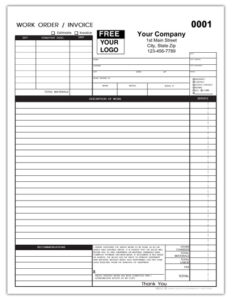
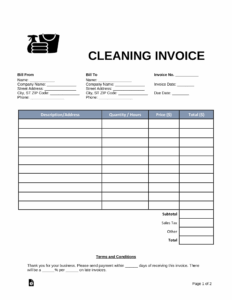
Every invoice should clearly identify both your business and your client’s business. This means including full legal names, addresses, and contact details. This simple step ensures clarity about who is providing the service and who is receiving it, preventing any ambiguity right from the start. Alongside this, a unique invoice number is paramount. This number acts as a distinct identifier for each transaction, making it incredibly easy to track and refer back to specific invoices for accounting or client queries. It also helps in maintaining a sequential record, which is crucial for internal auditing and tax purposes.
Beyond identification, the core of any invoice lies in the detailed breakdown of goods or services provided. This section should clearly list each item, its quantity, unit price, and the total cost for that specific item. Such transparency leaves no room for doubt about what the client is paying for. This granular detail is especially important when dealing with multiple services or products, allowing clients to cross-reference with their own records and understand the charges. Following this, an accurate subtotal provides the sum before any taxes are applied, setting the stage for the next critical component.
Taxes are an unavoidable part of doing business, and your invoice must reflect them correctly. Your small business tax invoice template should have dedicated fields for applicable tax rates, the calculated tax amount, and finally, the grand total amount due. This ensures that your invoices are compliant with local tax regulations and helps both you and your client keep accurate tax records. Clear payment terms, including the due date, acceptable payment methods, and any late payment policies, are equally important. These instructions guide your clients on how and when to pay, reducing potential delays and ensuring a smoother cash flow for your business. Remember, a comprehensive template acts as a silent assistant, ensuring you never miss a beat when it comes to financial compliance and clarity.
How to Get Started with Your Small Business Tax Invoice Template
Embarking on the journey of implementing a standardized invoicing system might seem daunting at first, but with the right approach, it’s incredibly straightforward and rewarding. There are numerous avenues to explore when it comes to acquiring a robust template. Many free resources are available online, ranging from simple downloadable documents to more sophisticated web-based tools that can be customized. Alternatively, if your business has specific or complex needs, you might consider investing in accounting software that includes invoicing features or even hiring a designer to create a custom template that perfectly aligns with your brand. The key is to choose a solution that fits your budget, technical comfort level, and the unique demands of your business.
Once you have a template in hand, the next crucial step is customization. This isn’t just about plugging in your business name; it’s about embedding your brand identity into every document you send. This includes adding your company logo, choosing a consistent font, and using colors that reflect your brand’s aesthetic. Beyond aesthetics, ensure that the template is tailored to your specific service or product offerings. If you sell goods, make sure there’s ample space for itemized product lists. If you offer services, ensure categories for hourly rates, project fees, and detailed descriptions are easily accommodated. This level of personalization makes your invoices instantly recognizable and reinforces your professional image to clients.
Consistency is paramount when it comes to invoicing and record-keeping. Develop a systematic approach for using your small business tax invoice template, from numbering conventions to how you save and store each invoice. Implementing a sequential numbering system helps prevent duplicate invoices and makes tracking effortless. Furthermore, decide on a clear protocol for when invoices are sent out – whether it’s immediately upon service completion, at the end of the month, or upon project milestones. This predictability benefits both you and your clients.
Finally, consider the practicalities of digital versus physical invoices and how you’ll manage the flow of these documents. Most businesses today opt for digital invoices, which can be easily sent via email, saving on printing costs and time. However, ensure you have a secure and organized digital filing system for all your issued and received invoices. Regular backups are non-negotiable to protect against data loss. By taking these steps, you transform a simple document into a powerful tool that supports your business’s financial health and operational efficiency.
- Choose a reliable template source, whether free online options or integrated accounting software.
- Customize your chosen template with your business logo, branding colors, and specific service or product details.
- Implement a consistent, sequential numbering system for all invoices to ensure easy tracking and prevent duplicates.
- Define clear payment terms and instructions to avoid delays and confusion for your clients.
- Establish a secure system for saving and backing up all your invoices, ideally in a digital format for easy access and record-keeping.
Embracing a robust template for your billing needs is one of the smartest moves a small business can make. It frees up valuable time that can be better spent on growth and client engagement, while simultaneously building a solid foundation for your financial reporting and compliance. This strategic shift from ad-hoc invoicing to a structured approach simplifies complex tasks, ensuring clarity for both you and your clients.
Ultimately, by leveraging a well-designed format, you gain more than just a tool for billing; you gain peace of mind. Knowing that every transaction is professionally documented, accurately calculated, and ready for tax season allows you to focus on what you do best: running and growing your business with confidence. It’s a small investment of time for a massive return in efficiency, professionalism, and financial security.