Running a service-based business, whether you are a contractor, a repair specialist, or an independent consultant, often involves more than just billing for your time. Many projects require a careful accounting of both the labor expended and the materials used to complete the job. This dual component can make invoicing a bit more complex than a simple hourly rate or a fixed project fee. You need a system that clearly itemizes every aspect, ensuring both you and your client understand the full scope of work and associated costs.
The challenge frequently lies in presenting this information in a clear, professional, and easily understandable format. Without a structured approach, you might find yourself spending extra time manually calculating and detailing each line item, increasing the risk of errors or misunderstandings. Clients appreciate transparency, and a poorly organized invoice can lead to questions, delays in payment, or even disputes, which no business owner wants to deal with.
This is precisely where a well-designed labor and materials invoice template becomes an indispensable tool. It provides a consistent framework to capture all necessary details, from the hours worked and the hourly rate to every nut, bolt, pipe, or gallon of paint. Adopting a specialized template not only streamlines your billing process but also enhances your professional image and fosters trust with your clientele by offering unparalleled clarity in your financial transactions.
Why a Specialized Labor and Materials Invoice Template is Essential for Your Business
When your projects consistently involve both the sweat equity of your team and the tangible goods purchased to bring the work to life, a generic invoice simply won’t cut it. A standard invoice might have a single line for “services rendered” and another for “materials,” which is far too vague for comprehensive record-keeping and client clarity. Imagine a home renovation project; simply listing “renovation services” and “materials” doesn’t explain the demolition, plumbing, electrical work, drywall, flooring, and paint.
A dedicated labor and materials invoice template ensures that every component of your project has its rightful place. It forces a detailed breakdown, which is not only beneficial for your client to see exactly what they are paying for but also crucial for your own internal accounting and project profitability analysis. Without this level of detail, it becomes difficult to track expenses accurately, assess project margins, or even estimate future similar jobs effectively.
Professionalism is also a key factor here. Presenting a meticulously detailed invoice speaks volumes about your business’s commitment to transparency and accuracy. It builds confidence with your clients, assuring them that they are being charged fairly and that every penny is accounted for. This clear communication often leads to faster payments and fewer questions, saving everyone time and potential frustration.
Key Elements to Include in Your Template
To be truly effective, your labor and materials invoice template should thoughtfully incorporate several critical sections. These elements ensure that all pertinent information is captured and presented in an organized manner, making the invoice easy to read and understand for both parties.
Here are the essential components you’ll want to include:
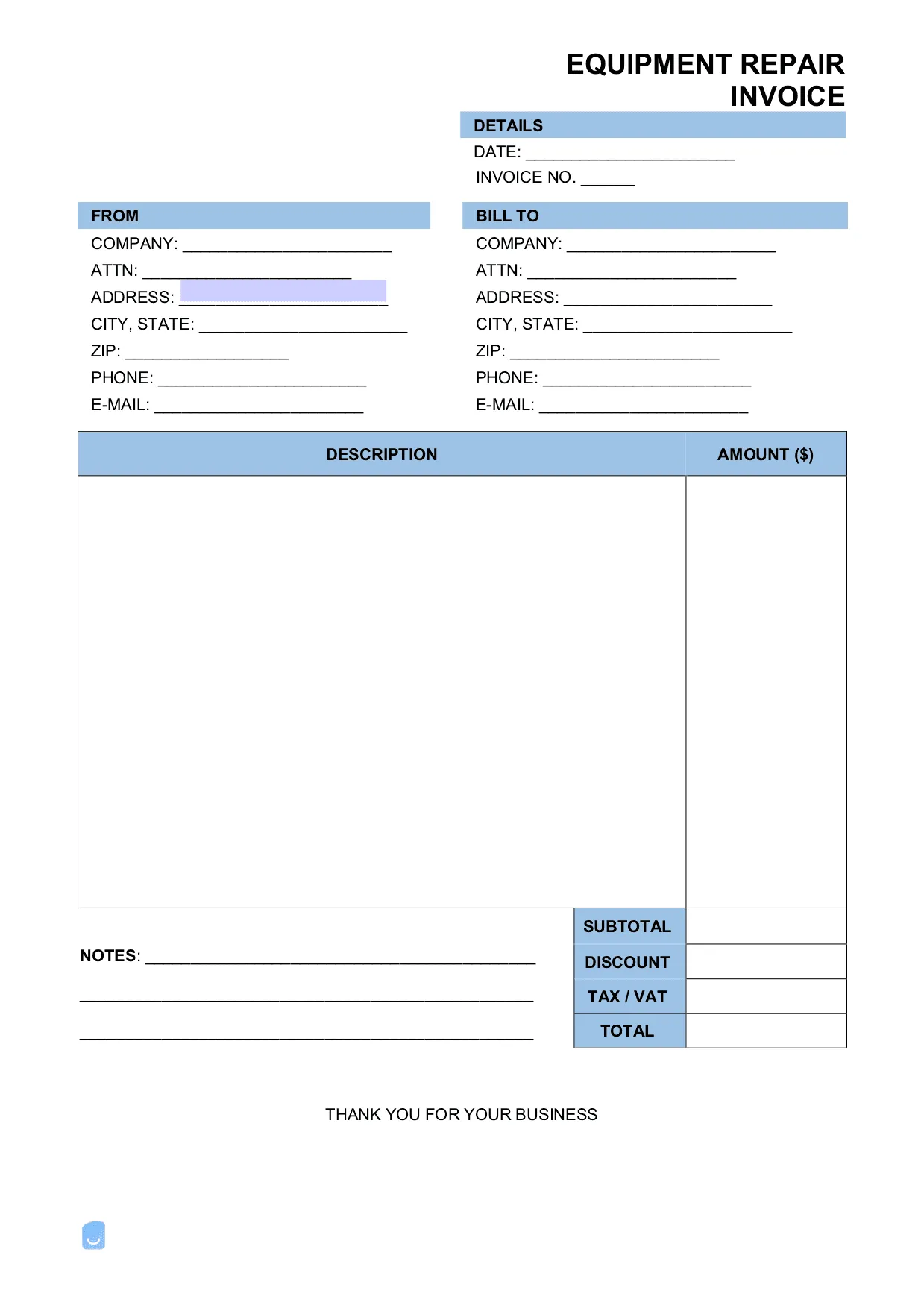
- Your Business Information: Your company name, address, phone number, and email.
- Client Information: The client’s name, address, and contact details.
- Invoice Number and Date: A unique identifier for easy tracking and the date the invoice was issued.
- Project Description: A brief but clear overview of the work performed.
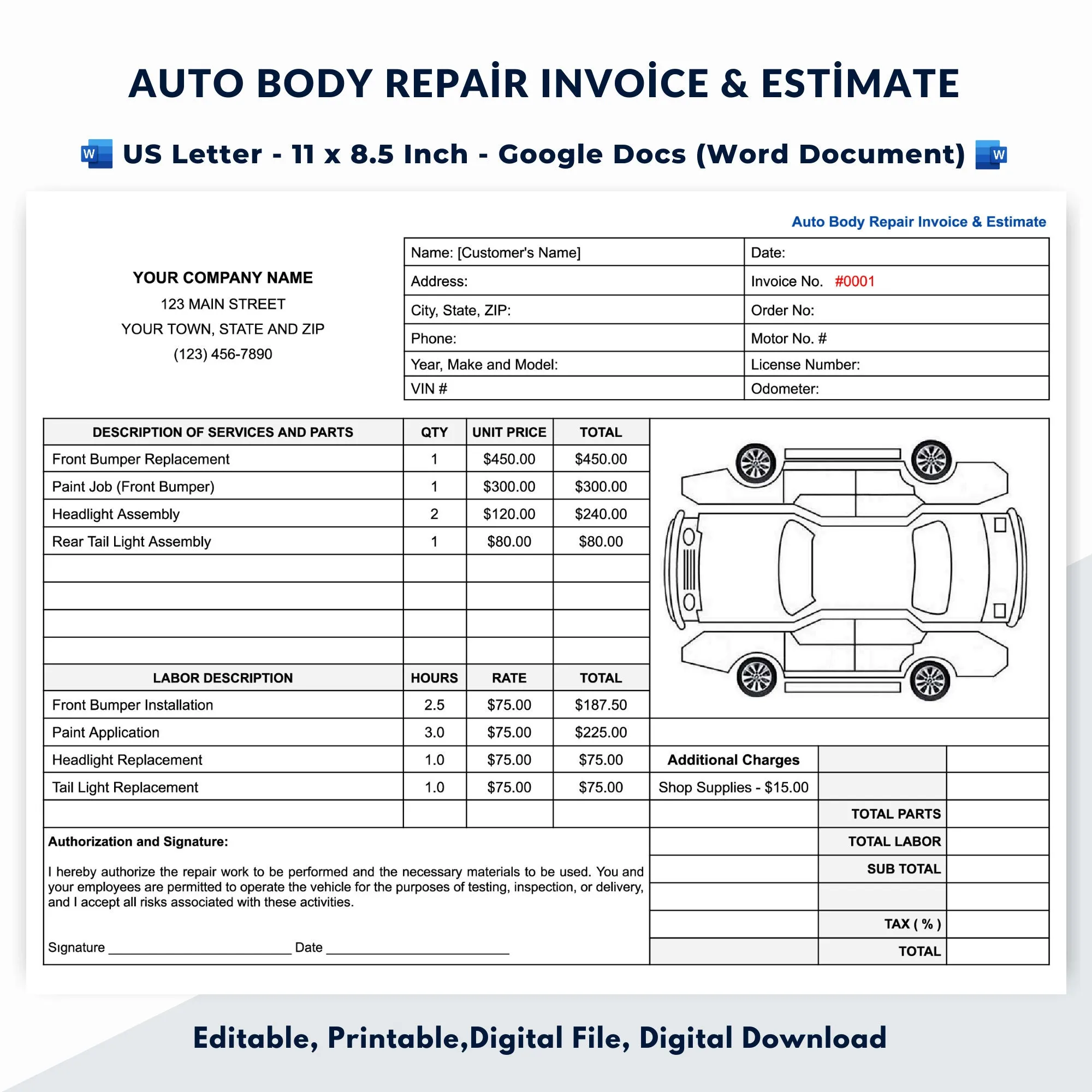
- Detailed Labor Breakdown: This section should list each task performed, the name of the person who performed it (if applicable), the date, the number of hours worked, the hourly rate, and the subtotal for that specific labor item.
- Detailed Materials Breakdown: Itemize every material used, including its description, quantity, unit price, and the subtotal for each material.
- Subtotals: Separate subtotals for labor and materials.
- Taxes: Any applicable sales tax or service tax, clearly itemized.
- Grand Total: The total amount due, encompassing all labor, materials, and taxes.
- Payment Terms: Due date, accepted payment methods, and any late payment policies.
- Notes/Disclaimers: Space for any additional relevant information, warranties, or specific project details.
Incorporating these detailed sections transforms a simple bill into a comprehensive record of services and goods. It eliminates ambiguity and provides a solid reference point for any future discussions or record-keeping needs.
Streamlining Your Billing Process and Improving Cash Flow
One of the most significant advantages of using a consistent labor and materials invoice template is the remarkable improvement it brings to your overall billing efficiency. Instead of starting from scratch with each new client or project, you can simply pull up your template, fill in the specific details, and send it off. This consistency drastically reduces the time spent on administrative tasks, allowing you to focus more on the core aspects of your business and client service.
Beyond saving time, a well-structured template also minimizes the likelihood of errors. When you have predefined fields and clear sections for labor and materials, it’s far less likely that you’ll forget to include an important charge or miscalculate a total. Accurate invoices lead to fewer client queries and disputes, ensuring a smoother transaction process and helping you maintain a professional reputation.
This efficiency directly impacts your cash flow. Clear, accurate, and timely invoices are more likely to be paid promptly. When clients understand exactly what they are paying for, and the invoice is easy to read, they are less inclined to hold off on payment due to confusion or a lack of detail. This streamlined approach to billing contributes significantly to the financial health and stability of your business.
Furthermore, a template provides excellent documentation for your business. It serves as a clear record of every job, including the exact services performed and materials provided. This is invaluable for tax purposes, internal accounting, and even for resolving potential warranty claims or future client inquiries. Having a consistent format for all your invoices makes it incredibly easy to retrieve specific information whenever you need it.
Adopting a specialized invoice template is a simple yet powerful step towards greater efficiency and professionalism. It ensures that every project you undertake is documented thoroughly, providing peace of mind for both you and your clients. By clearly itemizing all labor and materials, you set a standard of transparency that differentiates your business in a competitive market.