Organizing memorable events is your passion, but let’s be honest, the administrative side, especially invoicing, can sometimes feel less exciting. Chasing payments, clarifying service charges, and ensuring every detail is accounted for can take valuable time away from what you do best: creating magic for your clients. Many event planners find themselves juggling between project management and the crucial task of getting paid efficiently and professionally.
This is where having a reliable system comes into play. Imagine a world where creating an invoice is quick, clear, and consistent, reflecting the professionalism of your event planning business. A well-designed free event planning invoice template isn’t just a document; it’s a tool that streamlines your financial interactions, builds client trust, and ensures you get paid on time for your incredible work. It transforms a potentially tedious task into a smooth, straightforward process.
In this article, we’ll dive into why such a template is indispensable for your business, what essential components it should include, and how you can leverage it to not only manage your finances better but also to enhance your brand image. Get ready to elevate your invoicing game and reclaim your time for what truly matters – planning spectacular events.
The Indispensable Benefits of a Good Event Invoice Template
When you’re knee-deep in logistics, coordinating vendors, and managing timelines, the last thing you want is to spend hours crafting an invoice from scratch. A dedicated template serves as a consistent framework, ensuring every invoice you send out is polished, professional, and on-brand. This consistency builds confidence with your clients, showing them that you run a meticulous operation from start to finish. It’s not just about getting paid; it’s about presenting a unified, organized front for your entire business.
Furthermore, a template significantly reduces the chances of errors. Manual entry or ad-hoc invoice creation is prone to mistakes in calculations, forgotten line items, or missing important details like payment terms. With a template, you establish a standard format that prompts you for all necessary information, leading to accurate billing and fewer disputes down the line. This precision saves both you and your clients potential headaches and allows for a smoother financial transaction experience.
Time is money, especially in event planning. By using a pre-designed free event planning invoice template, you dramatically cut down the time spent on administrative tasks. Instead of drafting a new document for each client, you simply fill in the specifics for the current event. This efficiency allows you to allocate more time to event execution, client communication, or even pursuing new business opportunities, ultimately contributing to your business’s growth and profitability.
Beyond the immediate benefits, a comprehensive invoice acts as an important record for both legal and accounting purposes. It provides a clear breakdown of services rendered, agreed-upon costs, and payment timelines, which is invaluable for tax preparation, financial audits, and resolving any potential disagreements. Having these detailed records readily available simplifies your financial management and ensures compliance.
Even a free template often comes with customization options, allowing you to insert your company logo, brand colors, and specific service descriptions. This personalization reinforces your brand identity with every transaction, making your invoices not just a bill, but an extension of your professional image. It adds a touch of bespoke quality that clients appreciate, enhancing their overall experience with your event planning services.
Key Elements Your Event Invoice Should Always Feature
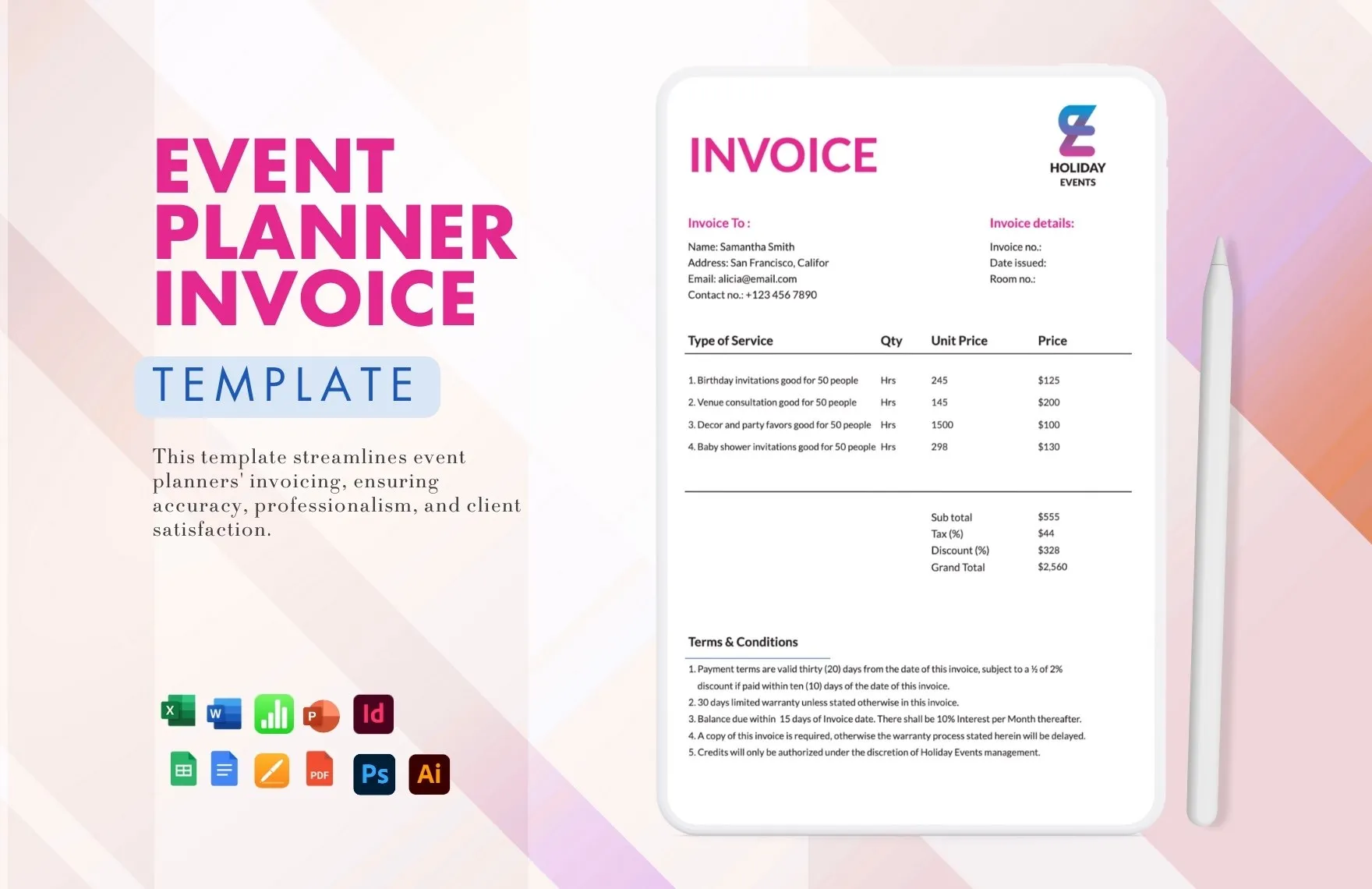
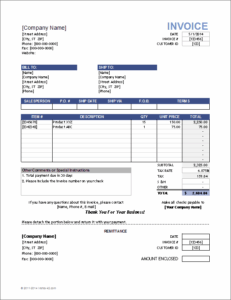
- Your business details: Include your company name, logo, address, phone number, and email.
- Client details: Clearly state the client’s name, event name, event date, and contact information.
- Unique invoice number and date: Essential for tracking and record-keeping.
- Itemized services with descriptions and costs: Break down every service (e.g., venue sourcing, decor, catering coordination, day-of management) with its respective price.
- Subtotal, applicable taxes (e.g., sales tax), any discounts, and the grand total amount due.
- Clear payment terms and due date: Specify when payment is expected (e.g., “Net 30,” “Due upon receipt,” or specific milestone dates).
- Preferred payment methods: Inform clients how they can pay (e.g., bank transfer, credit card, online payment platforms).
- A polite closing statement or thank you note to foster goodwill.
Making the Most of Your Event Invoice Template
Once you’ve selected or created your ideal event invoice template, the next step is to make it truly work for your business. Start by customizing it with your unique brand identity. This means uploading your company logo, perhaps adjusting the color scheme to match your brand guidelines, and ensuring all your contact information is up-to-date. A professional-looking invoice reinforces your brand and makes a lasting impression, long after the event is over. Think of it as another touchpoint for showcasing your professionalism.
When it comes to detailing your services, be as specific as possible. Vague descriptions can lead to confusion or disputes later on. Instead of just writing “Event Planning Services,” break it down into “Venue Research & Selection (10 hrs),” “Vendor Coordination & Management,” “Custom Decor Design,” or “On-Site Event Day Management.” This transparency builds trust with your clients and clearly justifies the costs associated with each aspect of your valuable work.
Establishing clear payment terms is absolutely critical. Your template should prominently feature when the payment is due, whether a deposit is required, if there are milestone payments, and what the final payment schedule looks like. Consider including details about late payment fees or early payment discounts if these are part of your business policy. Clarity here prevents awkward conversations and ensures you maintain a healthy cash flow.
Finally, remember that sending an invoice is just one part of the financial process. It’s essential to have a system for tracking sent invoices, noting payment dates, and following up on overdue accounts. Integrating your invoice template with a simple spreadsheet or accounting software can make this process seamless. Regularly reviewing your financial records helps you understand your business’s performance and ensures you’re always on top of your accounts receivable.
Adopting a robust invoicing practice using a well-designed template is a small change that yields significant benefits for any event planning business. It’s about more than just getting paid; it’s about enhancing your operational efficiency, presenting a polished image, and building stronger, more trusting relationships with your clients. By taking the time to set up and consistently use a high-quality template, you’re investing in the long-term success and professionalism of your venture.
So, take control of your financial administrative tasks today. Empower your event planning business with a tool that streamlines your billing, clarifies your services, and reinforces your brand’s commitment to excellence. You’ve put in the hard work to create spectacular events; now ensure your billing process reflects that same level of dedication and professionalism.