Running a business often involves projects that require a financial commitment from clients before work begins. This is where deposits come into play, securing resources and ensuring client commitment. However, managing these upfront payments and then accurately invoicing for the remaining balance can sometimes feel like a juggling act, especially if you’re using generic invoicing methods not designed for this specific process.
Without a clear system, tracking partial payments, calculating the remaining amount, and ensuring all details are transparent for both you and your client can lead to confusion, delays, and even strained professional relationships. You need a tool that simplifies this process, making financial transactions smooth and understandable from start to finish.
This is precisely where a specialized solution comes in handy. Having a well-structured invoice template that explicitly addresses both deposits and the final balance can transform your payment collection process, bringing clarity, professionalism, and efficiency to your business operations.
Understanding the Components of an Effective Deposit and Balance Invoice
When your projects involve an initial deposit followed by a final payment, a standard invoice often falls short. It simply isn’t built to clearly present the initial payment, the work completed, and the remaining amount due in a way that’s easily digestible for both parties. This lack of clarity can lead to misunderstandings, questions from clients, and ultimately, delays in payment. A dedicated invoice template with deposit and balance features, however, anticipates these needs and provides a clear financial roadmap for your projects.
The benefits of using such a template are numerous. Firstly, it significantly improves your cash flow by clearly outlining the upfront payment required, allowing you to cover initial project costs. Secondly, it sets clear expectations with your clients regarding the total cost and payment schedule, minimizing surprises. Lastly, it projects a professional image, demonstrating that you have a structured and organized approach to your business finances. It makes the entire transaction feel transparent and trustworthy, which is crucial for fostering strong client relationships.
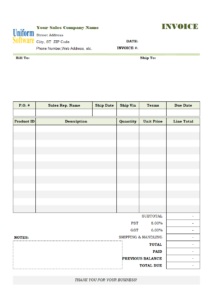
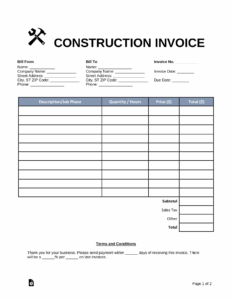
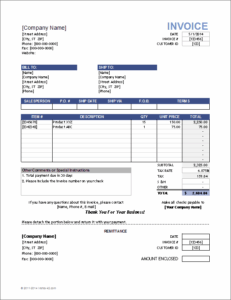
An effective invoice template for projects involving deposits needs to clearly display several key pieces of information. It’s more than just showing a number; it’s about telling a complete financial story of the project.
Key Elements to Look for in Your Invoice Template
- Clear identification of the initial deposit amount received.
- Detailed breakdown of services or products provided for the entire project.
- The total project cost before any payments are applied.
- A precise calculation of the remaining balance due after the deposit has been subtracted.
- Specific payment terms and the due date for the final balance.
- Comprehensive client and vendor information for accurate record-keeping.
- Accepted payment methods and instructions for payment.
These elements collectively ensure that every financial aspect of the project is accounted for and easily understood. When your clients receive an invoice that clearly shows what they’ve already paid, what services they received, and what is still owed, there’s little room for confusion. This transparency not only speeds up the payment process but also significantly reduces the likelihood of disputes or awkward follow-up conversations. It transforms a potentially complex financial interaction into a straightforward transaction. Furthermore, using a reliable invoice template with deposit and balance capabilities saves you valuable time that would otherwise be spent manually calculating and explaining these figures, allowing you to focus more on your core business activities.
Streamlining Your Payment Process and Client Relationships
Adopting an efficient invoice template for managing deposits and balances goes far beyond mere financial record-keeping; it’s a strategic move to optimize your entire payment collection workflow. By making the payment request process clear and simple, you empower your clients to pay promptly and correctly. This consistency in invoicing signals professionalism and reliability, which are invaluable attributes in any business relationship. Instead of spending time drafting custom invoices for each unique payment scenario, you can rely on a consistent framework that ensures all necessary information is always included.
The impact on client relationships is profoundly positive. When clients understand exactly what they’re paying for, what they’ve already paid, and what the final amount covers, their trust in your business grows. There are no hidden fees, no confusing calculations – just straightforward financial communication. This level of transparency fosters goodwill and encourages long-term partnerships, as clients appreciate the clarity and ease of doing business with you. It removes a common point of friction, allowing both parties to focus on the successful completion of the project.
To maximize the effectiveness of your new template, consider these practical tips for its use:
- Send the initial deposit invoice promptly after the project agreement is signed to secure the commitment.
- Clearly communicate the payment schedule and terms during the initial proposal phase, reinforcing them on the invoice.
- Utilize the template consistently for all projects requiring deposits, ensuring uniformity across your client base.
- Maintain digital records of all sent invoices and received payments for easy tracking and financial reconciliation.
Ultimately, by integrating an invoice template with deposit and balance features into your operational routine, you’re investing in the health and efficiency of your business. It transforms what could be a cumbersome administrative task into a seamless part of your client journey, allowing for clearer communication, faster payments, and stronger professional bonds.
Embracing a specialized invoice template tailored for deposits and balances is a smart move for any business aiming for greater financial clarity and operational efficiency. It simplifies complex payment structures, ensuring both you and your clients are always on the same page regarding financial commitments. This streamlined approach minimizes administrative burdens and frees up your valuable time.
By maintaining transparent and professional invoicing practices, you not only ensure timely payments but also cultivate stronger, more trusting relationships with your clients. This attention to detail in your financial processes is a key component of sustainable growth and contributes significantly to your overall business success.