Running a business, whether you are a freelancer, a small startup, or an established company, involves a lot more than just providing excellent services or products. A crucial part of keeping your operations smooth and your finances healthy is getting paid on time. This often boils down to how effectively you communicate your billing to clients.
Many business owners find themselves juggling multiple projects and clients, making it easy for payments to get lost in the shuffle or for clients to misunderstand what they owe. This can lead to delays in cash flow, which can be a real headache, especially when you have your own expenses to cover and growth to fund. Clarity in your billing is paramount to avoiding these common pitfalls.
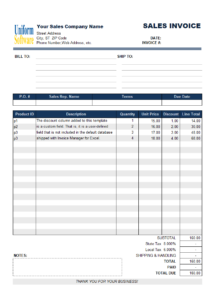
That is why having a robust and clear billing system is not just a good idea, it is essential. An efficient way to achieve this is by utilizing a well-designed invoice template with balance due. Such a template simplifies the billing process for both you and your clients, ensuring everyone is on the same page regarding financial obligations.
What Makes an Effective Invoice Template?
An invoice is more than just a request for payment; it is a professional document that details the goods or services provided, the cost associated with them, and the terms of payment. Its primary purpose is to ensure clear communication between you and your client regarding financial transactions. A well-structured invoice fosters trust and professionalism, reducing disputes and accelerating payment times.
Beyond simply listing services, an effective invoice should be easy to read and understand at a glance. It should present all necessary information in a logical flow, making it simple for your client to identify what they are being charged for and what actions they need to take. Clutter or ambiguity can lead to confusion, which often results in delayed payments or additional questions from your client.
The design and content of your invoice directly impact how quickly you receive payment. A professional-looking document reflects positively on your business, while a poorly designed one might suggest a lack of attention to detail. This is particularly true when dealing with the intricacies of partial payments or ongoing projects where a clear breakdown of previous payments and remaining amounts is necessary.
Key Components for Clarity
To truly be effective, especially when managing outstanding amounts, an invoice needs specific elements that go beyond the basics. These components work together to provide a comprehensive financial picture for your client, ensuring there are no surprises about what is owed.
The most effective templates include:
The balance due section is where an invoice truly shines, especially for managing ongoing projects or when clients make partial payments. This section clearly indicates the original total amount, any payments already made, and then prominently displays the remaining “balance due”. This transparency prevents misunderstandings and makes it easy for the client to see their current financial standing without needing to consult past invoices or statements. A clear invoice template with balance due ensures that both parties are always aligned on the outstanding amount.
How to Implement and Use Your Invoice Template Effectively
Once you have a well-designed invoice template, the next step is to integrate it seamlessly into your business operations. Consistency in its use is key. Every time you bill a client, use the same template, ensuring that all necessary fields are populated accurately and completely. This not only reinforces your professionalism but also streamlines your internal accounting processes, making it easier to track income and outstanding debts.
Customization is another powerful aspect of using templates. While a generic template provides a solid foundation, tailoring it to reflect your brand identity, such as incorporating your logo and brand colors, adds a layer of professionalism and recognition. Personalizing the template also allows you to include specific clauses relevant to your industry or business, like late payment policies or detailed scope of work references, further enhancing clarity and protecting your interests.
Establishing clear payment terms is crucial and should be prominently featured on your invoice template. This includes specifying the due date, acceptable payment methods, and any penalties for late payments. By setting these expectations upfront, you empower your clients to make timely payments and reduce the need for follow-up reminders, freeing up your time to focus on core business activities.
Beyond just sending the invoice, actively tracking its status is important. A good template, especially one designed to show a balance due, aids in this tracking by providing a consistent format for recording payment information. Regularly reviewing outstanding invoices allows you to identify overdue payments quickly and initiate polite follow-ups, which is essential for maintaining healthy cash flow and fostering positive client relationships through clear and consistent communication.
Implementing a clear and comprehensive invoicing strategy, particularly one that includes an easily understandable balance due section, dramatically improves your financial management. It empowers your clients with all the information they need to pay promptly, while also giving you a clear overview of your accounts receivable. This level of clarity translates directly into better cash flow and a stronger financial foundation for your business. By consistently using such a template, you are not just sending a bill; you are reinforcing your professionalism and making it simpler for everyone involved to manage their financial responsibilities effectively.