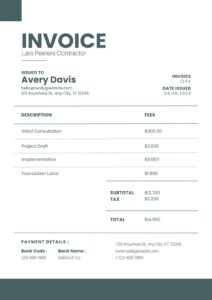
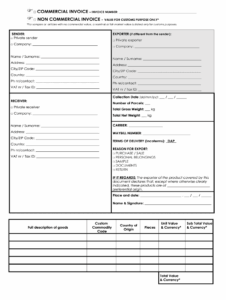
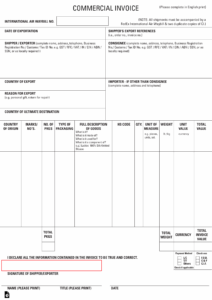
Navigating the financial side of a construction business can often feel as complex as the projects themselves. Getting paid accurately and on time is crucial for any contractor, whether you’re handling small renovation jobs or large-scale commercial builds. A professional invoice doesn’t just ask for money; it serves as a detailed record of services rendered, materials used, and the value you’ve delivered. However, creating these documents from scratch for every single job can be incredibly time-consuming, pulling you away from the hands-on work you do best.
This is where having a reliable, ready-to-use solution becomes invaluable. Imagine streamlining your billing process without having to invest in expensive software or design tools. Utilizing a specialized invoice template can transform how you handle your finances, ensuring clarity for both you and your clients. It removes the guesswork and helps maintain a professional image, which is vital for building trust and securing future projects.
We understand the need for efficiency and cost-effectiveness in the construction industry. That’s why a tailored invoicing solution, readily available and simple to use, can be a game-changer for independent contractors and growing businesses alike. It helps ensure that all your hard work is properly documented and compensated, paving the way for smoother operations and healthier cash flow.
Why a Specialized Construction Invoice Template is a Game-Changer for Your Business
The construction industry operates with unique financial dynamics. Unlike other service sectors, your invoices often need to account for a complex array of costs: raw materials, specialized equipment rentals, diverse labor rates, subcontractor fees, and often, progress payments tied to project milestones. A generic invoice just won’t cut it. It risks overlooking crucial details, leading to confusion, potential disputes, and most importantly, delays in getting paid for your hard work. A template designed specifically for construction jobs anticipates these complexities, providing dedicated fields for every facet of your project.
Think about the time you currently spend trying to format a basic document to fit your specific needs. You’re likely trying to squeeze in line items for lumber, plumbing fixtures, electrical wiring, excavation services, and concrete work, all while attempting to differentiate between initial deposit and final payment. A construction-specific template eliminates this struggle by presenting a clear, organized structure that guides you through the process, ensuring no critical information is left out. This level of detail isn’t just for your benefit; it also provides your clients with complete transparency, fostering a relationship built on trust and clarity.
Moreover, a well-structured invoice helps you manage your internal accounting and project tracking. By consistently using a detailed format, you create a uniform record of all your projects, making it easier to review past jobs, analyze costs, and even forecast future expenses. This consistency is incredibly helpful when it comes to tax season or if you ever need to revisit a project’s financial history. It turns a mundane administrative task into a powerful tool for business analysis and growth.
Key Elements Your Construction Invoice Must Include
To be truly effective, a construction invoice needs to be comprehensive. It should tell a complete story of the work performed and the costs incurred. Missing even a small detail could lead to questions from clients or issues with your accounting.
Here are the essential components:
- Your Company Information: Full business name, address, phone number, and email.
- Client Information: Client’s name, company, address, and contact details.
- Invoice Number: A unique identifier for easy tracking and reference.
- Invoice Date and Due Date: Clearly states when the invoice was issued and when payment is expected.
- Project Name and Details: A brief description of the project, including its location.
- Itemized List of Services: Detailed breakdown of labor hours, rates, and descriptions of tasks performed.
- Itemized List of Materials: Quantity, unit cost, and total cost for all materials used.
- Subcontractor Costs: Any services provided by third-party contractors.
- Equipment Rental Fees: If applicable, details of machinery used and rental duration.
- Subtotal: The sum of all services, materials, and other costs before taxes.
- Taxes: Clearly stated sales tax or other applicable taxes.
- Total Amount Due: The final amount the client needs to pay.
- Payment Terms: Instructions on how to pay (e.g., bank transfer, check, online payment) and any late payment penalties.
- Notes/Comments: Space for any additional information or specific project agreements.
Including these elements in a clear and organized fashion ensures that your invoices are professional, easy to understand, and legally sound. It minimizes back-and-forth communication and helps you get paid faster, which is, after all, the main goal. A well-designed free construction job invoice template will have all these fields readily available for you to fill out.
How to Make the Most of Your Free Construction Job Invoice Template
Once you have your free construction job invoice template, the next step is to use it effectively to maximize its benefits for your business. It’s not just about filling in the blanks; it’s about leveraging the structure to enhance your professional image, ensure accuracy, and streamline your entire billing process. Start by customizing the template with your company’s branding, including your logo and contact information. This personalization instantly makes the invoice look more professional and reinforces your brand identity with every transaction. Remember, a professional appearance can significantly impact how quickly clients process your payments.
Accuracy is paramount when it comes to invoicing in the construction industry. Before sending out any invoice, double-check every line item. Ensure that the quantities of materials match your purchase orders, labor hours align with your crew’s timesheets, and all rates are correct according to your agreements. Mistakes, even minor ones, can lead to delays in payment as clients will often require corrections before processing. A meticulous review process, perhaps even a quick cross-reference with your project manager or foreman, can save you a lot of headache down the line and solidify your reputation as a reliable and precise contractor.
Beyond just the numbers, clear communication on your invoice is key. Make sure your payment terms are explicitly stated and easy to find. This includes the due date, acceptable payment methods, and any penalties for late payments. If you offer discounts for early payment or require a deposit, these details should also be clearly outlined. The more transparent and straightforward your payment instructions are, the less confusion there will be for your clients, leading to a smoother payment experience for everyone involved.
Finally, integrating your template into your overall business operations can lead to significant efficiency gains. Keep a digital and, if necessary, a physical record of all invoices sent, along with corresponding payment dates. This not only aids in your accounting but also provides a clear history for each project. Regular follow-ups on outstanding invoices are crucial; a polite reminder a few days before or after the due date can prompt clients to act. By using your free construction job invoice template consistently and wisely, you transform a simple document into a powerful tool for financial management and business growth.
Managing your construction projects involves countless details, and the financial aspect shouldn’t add unnecessary stress. By adopting a well-structured and easy-to-use invoice system, you empower your business to maintain financial clarity and efficiency. It allows you to present a polished, professional image to your clients while ensuring every hour worked and every material used is properly accounted for, reinforcing the value you bring to every job.
Embracing a systematic approach to invoicing means you spend less time on administrative tasks and more time on what truly matters: building. With clear, concise, and comprehensive billing, you pave the way for healthy cash flow and stronger client relationships, allowing your construction business to thrive and focus on achieving its next big project milestone.