Working as a contractor or freelancer offers incredible freedom and flexibility, but it also comes with its own set of responsibilities, especially when it comes to managing your finances. One of the most crucial aspects of getting paid accurately and on time is sending clear, professional invoices. It’s not just about listing services; it’s about presenting your work in a way that reflects your professionalism and ensures smooth transactions with your clients.
Often, contractors find themselves reinventing the wheel with each new project, designing invoices from scratch or using generic templates that don’t quite fit their specific needs. This can be a time-consuming and error-prone process, potentially leading to delays in payment or misunderstandings with clients. Imagine having a ready-to-use, well-structured document that you can simply populate with the details of your latest project.
That’s where a dedicated invoice template for contract work becomes an invaluable asset. It standardizes your billing process, saves you precious time, and projects a highly professional image to your clients. With a reliable template at your fingertips, you can focus more on delivering excellent work and less on the administrative hassle of getting paid.
Why a Dedicated Invoice Template for Contract Work is a Game-Changer
Having a specific invoice template tailored for your contract work isn’t just a convenience; it’s a strategic business tool that can significantly impact your financial health and professional reputation. Think about it: every interaction with a client, including the invoice, contributes to their perception of your business. A sloppy or inconsistent invoice can inadvertently undermine the quality of your work.
Firstly, professionalism is paramount. A well-designed, consistent template signals to your clients that you take your business seriously. It shows attention to detail and reinforces the value you bring to their projects. When an invoice looks polished and organized, it instills confidence and makes the payment process feel more legitimate and less like an afterthought.
Secondly, clarity and accuracy are non-negotiable. Contract work often involves various tasks, deliverables, and sometimes, different rates or project phases. A specialized template helps you break down your services into clear, itemized entries, eliminating ambiguity. This transparency reduces the likelihood of disputes or questions regarding the charges, making it easier for clients to understand exactly what they’re paying for.
Consider the time-saving aspect. Instead of spending valuable hours formatting a new document for every client or project, a template allows you to input specific details and send it off swiftly. This efficiency is particularly beneficial for busy contractors juggling multiple projects, freeing up more time to focus on billable work rather than administrative tasks. It’s an investment in your productivity.
Furthermore, a consistent invoice template for contract work aids in your financial record-keeping and tax preparation. When all your invoices follow the same structure and include all necessary information, tracking income, categorizing expenses, and preparing for tax season becomes much simpler. This organized approach can save you considerable stress and potential headaches down the line.
Finally, a template serves as a mini branding opportunity. You can incorporate your business logo, brand colors, and contact information, reinforcing your brand identity with every invoice sent. This consistent branding not only looks professional but also makes your invoices easily recognizable, further solidifying your presence in your clients’ minds. It transforms a routine document into another touchpoint for your professional image.
Key Elements of an Effective Invoice
- Your business name, address, phone number, and email.
- Client’s business name, address, and contact person.
- A unique invoice number for easy tracking.
- Date of invoice and payment due date.
- Detailed description of services rendered or products supplied.
- Quantity or hours worked for each item.
- Unit price or hourly rate.
- Subtotal, applicable taxes, and total amount due.
- Payment terms and accepted payment methods.
- Any late payment penalties or discounts.
Crafting Your Ideal Invoice Template: What to Include
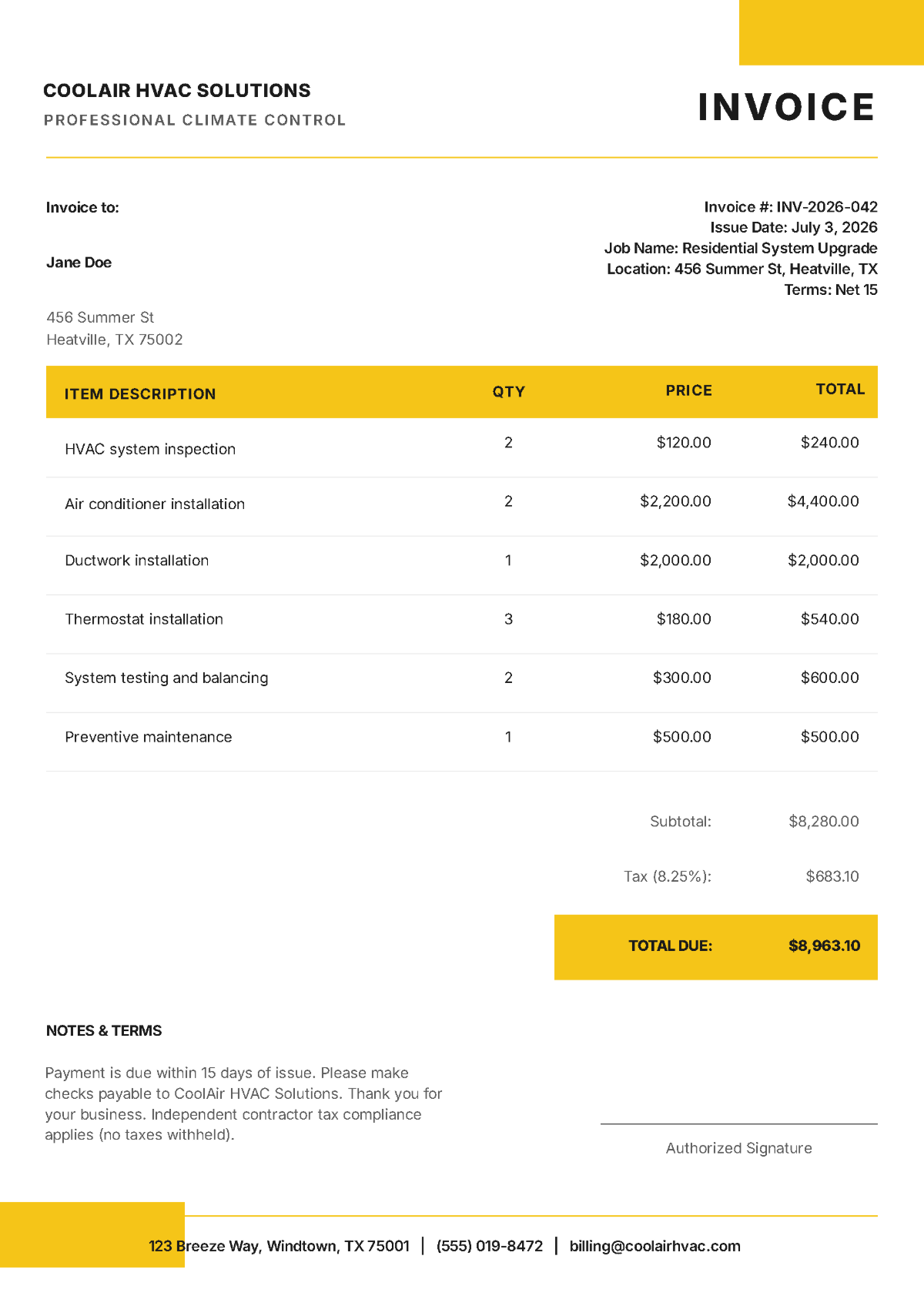
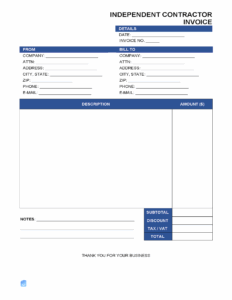
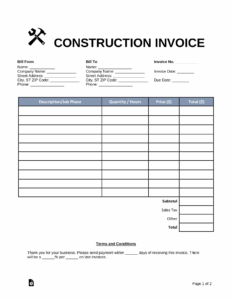
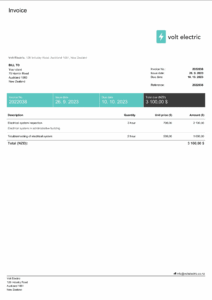
When you’re putting together your ultimate invoice template, thinking about what makes it effective from both your and your client’s perspective is key. It’s more than just a list of charges; it’s a complete communication tool. Start with the basics: your identity and your client’s. Clearly display your business name, logo, contact information, and ensure the client’s details are also accurate. A unique invoice number and the issue date are non-negotiable for proper record-keeping and referencing.
Next, you’ll want to dive into the core of the invoice: the services or goods provided. This section needs to be meticulously detailed. For contract work, this often means breaking down hours spent on specific tasks, listing milestones completed, or itemizing deliverables. Be as descriptive as possible without being overly verbose. For instance, instead of just “Consulting,” specify “Project Planning Consultation – 5 hours” or “Website Design – Homepage Layout.” This level of detail helps clients understand the value they’ve received and justifies the total amount.
Beyond the itemized list, clearly state the unit price or hourly rate for each service, the quantity or number of hours, and the line-item total. Summing these up to a subtotal, applying any relevant taxes, and arriving at a grand total amount due are critical steps. This calculation needs to be transparent and easy to follow, avoiding any confusion or the appearance of hidden costs. Clarity here builds trust.
Finally, don’t overlook the payment terms and instructions. This is where you specify the due date, your preferred payment methods (e.g., bank transfer, online payment platforms, check), and any policies regarding late payments or early payment discounts. A friendly note thanking them for their business or offering a line for future inquiries can add a personal touch. Providing all this information upfront minimizes follow-up questions and encourages timely payments, making your financial workflow much smoother.
Remember, a well-structured invoice template isn’t just about getting paid; it’s about facilitating a professional, transparent, and respectful business relationship. It streamlines your administrative tasks, allowing you to dedicate more energy to your craft and client projects. Investing time in perfecting your template now will pay dividends in efficiency and client satisfaction for every contract moving forward. This proactive approach to your invoicing process will ultimately contribute to the overall success and growth of your contracting business.