Navigating the financial aspects of providing dedicated home health care services can often feel like a complex puzzle. You’re pouring your heart into patient well-being, coordinating schedules, and ensuring top-notch care, all while needing to keep the business side of things running smoothly. This often means managing various client accounts, tracking diverse services, and ensuring timely, accurate payments. It’s a lot to juggle, and without a solid system in place, precious time can easily get lost in administrative tasks.
This is where a robust and reliable invoicing solution becomes not just helpful, but essential. Imagine a tool that simplifies your billing process, making it clear, professional, and efficient for both you and your clients. Such a system allows you to focus more on what truly matters: delivering exceptional care to those who need it most, without the constant worry of administrative backlogs.
A well-designed home health care invoice template is precisely that indispensable tool. It takes the guesswork out of billing, ensures every service is accounted for, and presents a clear financial picture to your clients or their responsible parties. By standardizing your invoicing, you project professionalism, reduce errors, and streamline your entire payment collection process, ultimately contributing to a healthier bottom line and smoother operations.
Why a Dedicated Home Health Care Invoice Template is a Game-Changer
The realm of home health care is incredibly dynamic, with services ranging from skilled nursing and physical therapy to personal care assistance and companionship. Each visit, each hour, and each specialized service carries its own value and needs to be meticulously documented and billed. Unlike generic invoicing, home health care billing often involves nuanced details like variable hourly rates for different types of care, mileage reimbursement, specific medical supply charges, and intricate service descriptions that must be clearly communicated. A standard template simply won’t cut it when you’re dealing with such specific requirements.
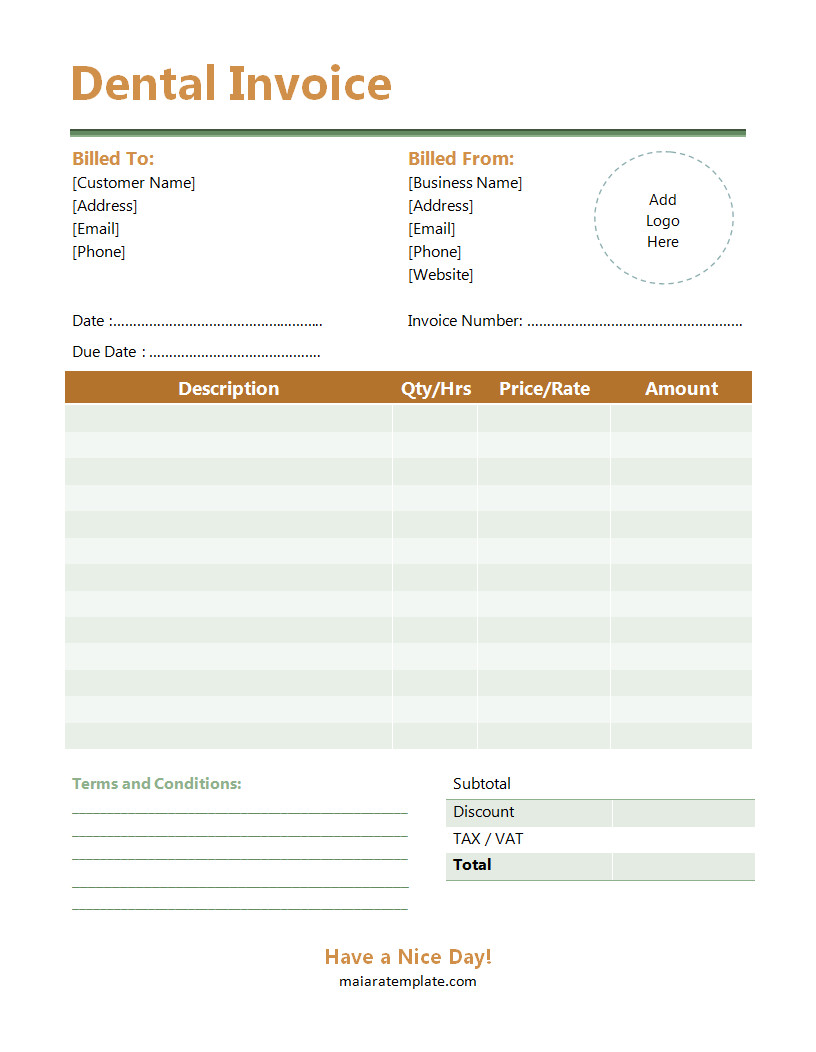
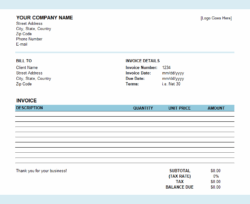
This is precisely why a specialized home health care invoice template becomes an invaluable asset. It’s designed to accommodate these unique complexities, providing dedicated fields for all the information necessary to create a comprehensive and transparent bill. It ensures that no detail is overlooked, from the exact dates and times of service to the specific type of care provided, making the billing process straightforward for both the service provider and the client.
Key Elements Your Template Should Include
Utilizing such a tailored template significantly enhances your professional image. It communicates to your clients that you are organized, transparent, and serious about your business operations. This level of professionalism builds trust and confidence, which is paramount in a service industry like home health care where personal relationships are key. Clients appreciate clarity, especially when it comes to financial matters, and a detailed invoice reduces potential misunderstandings or disputes.
Beyond professionalism, the efficiency and accuracy gained are enormous. Manual calculation and data entry are prone to human error, which can lead to underbilling, overbilling, or delays in payment. A structured template guides you through each necessary field, minimizing mistakes and ensuring that every service rendered is correctly charged. This automation or semi-automation saves countless hours that would otherwise be spent on administrative corrections, allowing your staff to dedicate more time to client care. Moreover, for compliance and auditing purposes, a consistent and detailed invoicing system provides an excellent paper trail, demonstrating accountability and thoroughness, which is essential for both internal reviews and external regulatory checks.
Crafting Your Perfect Home Health Care Invoice Template
Creating an effective home health care invoice template doesn’t have to be daunting. The goal is to design something that is intuitive, comprehensive, and tailored to the specific services you offer. You might start with a blank document in a program like Microsoft Word or Excel, or even use a Google Docs template, customizing it to fit your unique needs. The key is to ensure every field is clearly labeled and easy to understand, both for the person filling it out and the recipient. Think about the flow of information; logically grouping client details, service specifics, and payment information will make the invoice much clearer.
Consider the flexibility of your chosen format. While a simple Word document can work for basic needs, a spreadsheet like Excel or Google Sheets offers the advantage of automated calculations. Imagine entering service hours and rates, and having the total automatically populate – a huge time-saver and error-reducer. Whichever platform you choose, make sure it allows for easy duplication and modification for each new client or billing cycle, rather than starting from scratch every time.
Personalization is another crucial aspect. While the core structure remains the same, you might need different versions of your template for different types of services, or to accommodate various funding sources (e.g., private pay, insurance billing). For instance, an invoice for skilled nursing might require different line item descriptions than one for companion care. Adding your company logo, branding colors, and contact information prominently at the top of the invoice reinforces your professional identity and makes it instantly recognizable to your clients.
Lastly, remember that your invoice is more than just a bill; it’s a vital communication tool. Ensure your payment terms are clear, concise, and easy to find. Specify accepted payment methods and provide contact information for any billing inquiries. A well-designed invoice minimizes confusion, encourages prompt payments, and maintains a positive relationship with your clients. Regularly review and update your template as your services evolve or as industry regulations change to ensure it always remains current and effective.
Implementing a consistent and professional invoicing system significantly elevates the operational efficiency of any home health care provider. It not only simplifies the often-tedious task of billing but also reinforces trust and transparency with clients, fostering stronger relationships built on clear communication and accountability. By embracing a structured approach to your financial documentation, you’re not just processing payments; you’re investing in the long-term stability and reputation of your vital services, allowing your team to remain focused on delivering the highest standard of care to those who rely on them every day.