Running your own show as a self-employed contractor comes with a lot of freedom, but also a fair share of responsibilities. You’re the expert at your craft, whether that’s web design, plumbing, consulting, or anything in between. However, being great at your primary service isn’t the only thing that keeps your business thriving. A crucial, yet often overlooked, aspect of professional success is getting paid efficiently and without hassle for the hard work you do.
Picture this: you’ve just wrapped up a big project, the client is thrilled, and now it’s time to send them the bill. This moment can either be smooth sailing or a potential headache, depending largely on how you present your services and charges. Many independent professionals find themselves juggling project management, client communication, and then, at the end of it all, the sometimes-tricky task of invoicing. It doesn’t have to be a complicated process.
That’s where a well-designed self employed contractor invoice template becomes your best friend. It’s more than just a piece of paper or a digital document; it’s a powerful tool that streamlines your financial operations, ensures you communicate clearly with your clients, and most importantly, helps you get paid on time, every time. With the right template, you can project professionalism and establish clear expectations, allowing you to focus more on what you do best.
What Makes a Great Contractor Invoice Template?
An invoice isn’t merely a request for payment; it’s a professional document that reflects your business’s organization and attention to detail. A truly great contractor invoice template is thoughtfully designed to convey all necessary information clearly, leaving no room for confusion or delay in payment. It acts as a formal record of services rendered and an undeniable call to action for your client.
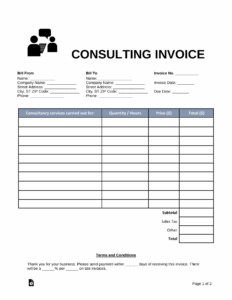
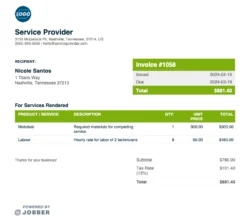
First and foremost, your template needs to clearly identify both you and your client. This means including your full business name, contact information, and any relevant business registration numbers at the top. Equally important are the client’s details: their company name, contact person, address, and any project-specific identifiers. This clarity prevents invoices from getting lost in large organizations and ensures they reach the right person.
Next, the core of the invoice should detail the services or products provided. Be specific. Instead of just “Consulting,” list “Web Design Consultation – 3 hours” or “Plumbing Repair – Faucet Replacement and Labor.” Include dates of service, hourly rates if applicable, quantities, and a clear description of the work performed. This transparency is key to justifying the total amount and helps clients understand exactly what they are paying for.
Of course, the financial breakdown is critical. A great template will prominently display the subtotal, any applicable taxes, discounts, and finally, the grand total due. But it doesn’t stop there. Crucial elements like a unique invoice number, the issue date, and most importantly, the payment due date, must be present and easy to spot. These details help both you and your client track the invoice’s status and ensure timely processing.
Finally, professionalism extends beyond just the data. The visual appeal and ease of understanding contribute significantly to how your invoice is perceived. A clean, uncluttered layout, consistent branding (like your logo), and straightforward language elevate your invoice from a simple bill to a polished business communication. It’s about making it as easy as possible for your client to pay you without needing to ask follow-up questions.
Key Information to Include
- Your full business name and contact information (address, phone, email, website).
- Client’s full business name and contact information.
- A unique invoice number for easy tracking.
- The date the invoice was issued.
- A clear payment due date.
- Detailed description of services or products, including dates, rates, and quantities.
- Subtotal, any taxes (e.g., sales tax, VAT), and total amount due.
- Accepted payment methods and instructions (e.g., bank transfer details, PayPal link).
- Any specific payment terms, conditions, or late payment policies.
Why Clarity is King
Making your invoice crystal clear is not just about being polite; it’s a strategic business move. Ambiguous invoices can lead to delays as clients seek clarification, or worse, disputes over charges. By presenting all information concisely and accurately, you minimize potential back-and-forth, protect your cash flow, and maintain a positive working relationship built on trust and transparency.
Beyond the Basics: Tips for Optimizing Your Invoicing Process
Having a stellar self employed contractor invoice template is a fantastic start, but the real power comes from how you integrate it into your overall business practices. It’s not just about the document itself, but the entire process surrounding its creation, delivery, and follow-up that truly optimizes your financial operations and strengthens client relationships. Think of your template as the foundation upon which you build a robust and reliable payment system.
One key aspect is consistency. Using the same template for every client and every project reinforces your brand identity and professionalism. Clients will recognize your invoices immediately, which can speed up processing. Beyond the template, establish a consistent routine for when and how you send invoices. Do you send them weekly, bi-weekly, or upon project completion? Stick to it, and communicate your invoicing schedule to your clients upfront.
Embrace technology. While a beautifully designed paper template has its charm, digital invoicing offers unparalleled efficiency. Using invoicing software or even simple tools like Google Docs or Microsoft Word to create and send your invoices digitally allows for quick delivery, easy tracking, and reduced administrative overhead. Many platforms also offer features like automated reminders, which can be invaluable for ensuring timely payments without awkward follow-up calls.
Don’t underestimate the power of clear communication regarding payment terms. While your template should include this information, reiterating it verbally or in your contract ensures everyone is on the same page from day one. Be explicit about when payment is due, what forms of payment you accept, and any policies regarding late payments or early payment discounts. This proactive approach helps prevent misunderstandings and sets a professional tone.
Finally, always keep meticulous records. Every invoice sent, every payment received, and every communication related to billing should be logged and stored securely. This not only helps you track your income and manage your finances but also serves as a critical reference in case of any discrepancies or questions from clients. A well-organized invoicing system brings peace of mind and allows you to quickly retrieve information when needed.
Implementing a robust invoicing strategy that goes beyond just a template will significantly enhance your business’s financial health. It empowers you to maintain control over your cash flow, fosters clear communication with clients, and ultimately allows you to spend less time on administrative tasks and more time on the core services you provide. By treating your invoicing process with the attention it deserves, you’re investing directly in your business’s stability and growth.