Landing your dream job as a mechanical engineer often requires more than just a stellar resume; it demands a compelling cover letter that introduces you and highlights your unique value. If you’re currently navigating the job market, you might be wondering how to craft that perfect introductory document. That’s precisely why having a solid cover letter template for mechanical engineer roles can be a game-changer, providing a clear structure to showcase your skills and aspirations.
A cover letter isn’t just a formality; it’s your personal pitch, an opportunity to elaborate on your resume’s bullet points and infuse your application with personality. It allows you to directly address the hiring manager, express genuine interest in the specific company and role, and explain why you’re the ideal candidate for their team. Think of it as your first conversation with a potential employer.
In a competitive field like mechanical engineering, making a strong first impression is paramount. This guide will walk you through the essential components of an impactful cover letter, helping you present yourself as the innovative, problem-solving professional every engineering firm is eager to hire.
Crafting Your Impactful Mechanical Engineer Cover Letter
When it comes to writing a cover letter, many job seekers simply rehash their resume. However, the real power of a cover letter lies in its ability to tell a story that complements, rather than duplicates, your resume. It’s your chance to connect your technical skills with real-world applications and demonstrate your passion for mechanical engineering. Customizing each letter to the specific job and company is crucial, showing that you’ve done your homework and are genuinely invested.
Your cover letter should effectively bridge the gap between your technical capabilities and the specific requirements of the role you’re applying for. Don’t just list software proficiencies or project types; explain how you leveraged those skills to achieve tangible results. Did you optimize a process, reduce costs, or innovate a design? Quantify your achievements whenever possible to give them more weight and impact.
The Opening Hook
Start your letter strong. The first paragraph should immediately capture the reader’s attention and state your purpose. Mention the specific position you’re applying for and where you saw the job advertisement. Briefly express your enthusiasm for the role and the company, offering a concise statement about why you believe you’re a perfect fit. This immediate connection helps the hiring manager quickly understand your intent and sparks their interest to read further.
Showcasing Your Technical Prowess
The body of your cover letter is where you expand on your most relevant experiences and skills. This isn’t a laundry list; it’s a carefully selected narrative. Choose two or three key accomplishments from your career or academic projects that directly relate to the job description. For instance, if the job emphasizes CAD design and analysis, discuss a project where you successfully utilized SolidWorks or ANSYS to solve a complex engineering challenge, explaining the problem, your approach, and the positive outcome.
Elaborate on your problem-solving abilities, your proficiency with relevant software, your understanding of engineering principles, and any specialized knowledge you possess, such as robotics, thermodynamics, materials science, or manufacturing processes. Think about specific situations (STAR method: Situation, Task, Action, Result) to illustrate your competence and drive. This detailed, yet concise, explanation of your contributions helps the employer visualize you performing successfully in the role.
Connecting with the Company
Beyond your technical skills, demonstrate why you want to work for *this particular company*. Research their recent projects, company culture, values, or any innovations they’ve been involved in. Weave this information into your letter, explaining how your professional goals align with their mission or how your skills could contribute to their ongoing initiatives. This shows genuine interest and makes your application feel less generic and more targeted. It speaks volumes about your dedication and shows that you’re not just sending out mass applications.
The Professional Close
Conclude your cover letter by reiterating your strong interest in the position and your confidence in your ability to contribute effectively. Express gratitude for their time and consideration, and clearly state your call to action. For example, mention that you’ve attached your resume and look forward to the opportunity to discuss your qualifications further in an interview. Maintain a professional and confident tone throughout, leaving a lasting positive impression.
Essential Elements of a Standout Cover Letter
A strong cover letter doesn’t just happen; it’s built on a foundation of clear structure and meticulous attention to detail. Beyond the engaging content, certain formal elements ensure your letter is professional and easy to read. These components, while seemingly small, contribute significantly to the overall perception of your application and demonstrate your professionalism.
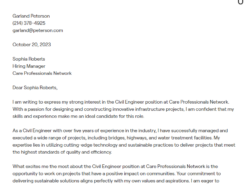
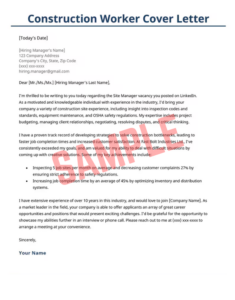
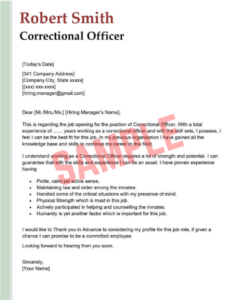
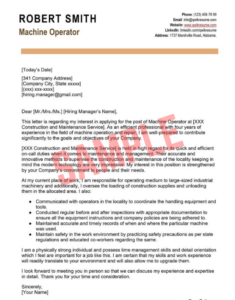
The best cover letter template for mechanical engineer roles will always include specific structural elements that make it polished and efficient for recruiters to review. These ensure that all necessary information is present and presented in an organized fashion, from your contact details to your sign-off.
Here are the critical elements to include in your cover letter:
- Your contact information (name, address, phone, email, LinkedIn URL)
- Date
- Hiring manager’s contact information (if known: name, title, company, address)
- Professional salutation (e.g., “Dear Mr./Ms. [Last Name],” or “Dear Hiring Manager,”)
- Introduction paragraph
- Body paragraphs (2-3 paragraphs detailing your relevant skills and experiences)
- Closing paragraph
- Professional closing (e.g., “Sincerely,” “Regards,”)
- Your typed signature
Before hitting send, always proofread your cover letter meticulously. A single typo or grammatical error can undermine your credibility, suggesting a lack of attention to detail – a quality no mechanical engineer can afford to project. Reading it aloud or having a trusted friend review it can help catch mistakes you might have overlooked.
As you embark on your job search, remember that your cover letter is a powerful tool to differentiate yourself. By tailoring your message, highlighting your specific engineering accomplishments, and aligning yourself with the company’s vision, you can significantly enhance your chances of securing an interview.
Your thoughtful approach to crafting this introductory document reflects your professionalism and passion for the field. With a well-structured and personalized cover letter, you’re not just applying for a job; you’re making a compelling case for why you’re the future of their engineering team.