Navigating the world of academic journals, literary magazines, or online publications can feel a bit like launching a rocket into space. You’ve put countless hours into crafting your article, polishing every sentence, and now comes the moment of truth: submission. But before your brilliant work even gets a glance, there’s a crucial first impression to make – and that’s where a solid cover letter template for article submission comes in. Think of it as your article’s ambassador, a brief but powerful introduction that can set the tone for its reception.
Many writers, especially those new to the submission process, often underestimate the power of a well-written cover letter. It’s more than just a formality; it’s an opportunity to showcase your professionalism, summarize your article’s value, and demonstrate that you understand the publication’s scope. A generic, hurried cover letter can unfortunately send the wrong message, potentially diminishing the impact of your carefully crafted piece.
Fear not, for crafting an effective cover letter doesn’t have to be a daunting task. With a clear understanding of its essential components and a practical template to guide you, you can confidently present your work to editors and significantly improve your chances of getting your article noticed and, ultimately, accepted. Let’s explore how to make that first impression count.
Dissecting the Essential Sections of Your Cover Letter
When you’re preparing to send your article into the editorial ether, your cover letter acts as the initial handshake. It needs to be professional, informative, and persuasive, all while remaining concise. Each section serves a specific purpose, contributing to a cohesive and compelling message that introduces both you and your work effectively.
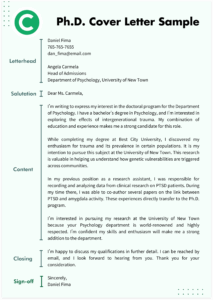
The Salutation and Introduction
Start by addressing the editor by name if you can find it. A quick look at the publication’s masthead or “about us” page often provides this information. Personalization shows you’ve done your homework. Your opening paragraph should clearly state the purpose of your letter: you are submitting an article for consideration. Briefly mention the title of your piece and the specific section or issue for which you believe it is a good fit. This immediately tells the editor what you’re sending and why.
The Article’s Hook and Fit
This is where you sell your article. In one or two concise sentences, summarize the main argument, contribution, or unique angle of your piece. What makes it stand out? Why is it relevant now? Crucially, explain why your article is a perfect fit for *this particular* publication and its audience. Referencing a specific theme, recent article, or editorial focus of the publication demonstrates that you’re not just mass-mailing submissions but have genuinely considered their specific needs and interests. Editors appreciate knowing you understand their platform.
Highlighting Your Expertise (Optional but Recommended)
A brief author bio can add significant credibility. Keep it short and relevant. Mention your academic affiliations, relevant professional experience, or previous publications, especially if they are related to the topic of your submitted article. If you’re a new writer without extensive credits, you can simply state your current professional role or academic pursuits that lend authority to your writing. The goal is to establish yourself as a credible source for the information you’re presenting.
Adhering to Submission Guidelines
Demonstrate your attention to detail and professionalism by confirming that you have followed the publication’s specific submission guidelines. This might include word count, formatting, citation style, and any required supplementary materials. Explicitly state that the article is original, has not been previously published, and is not currently under consideration elsewhere. This is a critical ethical point for most publications and reassures editors about the originality and exclusivity of your submission.
The Professional Closing
Conclude with a polite thank you for their time and consideration. Reiterate your contact information, even if it’s already in your email signature. You can also offer to provide any further information or revisions they might require. A professional closing, such as “Sincerely” or “Best regards,” followed by your full name and contact details (email, phone number, website if applicable), rounds off the letter cleanly and professionally.
Refining Your Approach: Best Practices and What to Avoid
Having a robust cover letter template for article submission is an excellent starting point, but the true artistry lies in how you adapt and refine it for each new opportunity. While the core structure remains, the details you infuse into each letter are what truly make a difference, demonstrating your dedication and respect for the editor’s time.
Beyond simply filling in the blanks, think about the unique voice and niche of the publication you’re targeting. Does it lean academic or more conversational? Is it highly specialized or broad-ranging? Tailoring your language and the emphasis of your article’s summary to align with their specific editorial focus shows a keen understanding and significantly strengthens your appeal. A one-size-fits-all approach rarely yields the best results in competitive submission environments.
Before you hit that send button, a final review is non-negotiable. Even the most compelling article can be undermined by a cover letter riddled with typos or grammatical errors. This attention to detail speaks volumes about your overall professionalism and the care you put into your work. Here are a few quick tips to help ensure your submission is polished and ready:
- Proofread meticulously for any spelling or grammar mistakes.
- Research the publication’s tone and style to ensure your letter aligns.
- Keep your letter concise; editors are busy and appreciate brevity.
- Attach all required files in the correct format and clearly label them.
- Maintain a professional yet confident tone throughout.
Ultimately, your cover letter is an indispensable tool in your writing arsenal. It’s your chance to advocate for your work, highlight its merits, and establish a professional rapport with the editor, even before they delve into your article. By investing a little extra time and care into this initial communication, you dramatically increase the likelihood of your submission receiving the serious consideration it deserves.
So, take the guidance provided, personalize it for each unique opportunity, and send your articles forward with confidence. A thoughtful and well-executed cover letter can truly open doors and pave the way for your writing to reach its intended audience and make an impact.