Stepping into the competitive world of electrical engineering requires more than just a stellar resume; it demands a compelling introduction that captures attention and highlights your unique value. This is precisely where a well-crafted cover letter comes into play, serving as your personal pitch to potential employers. If you’re searching for a reliable cover letter template for electrical engineer positions, you’ve landed in the right spot. We understand the nuances of this specialized field and how crucial it is to convey your technical prowess and passion effectively.
Often, the thought of writing a cover letter from scratch can feel daunting. You want to sound professional, yet personal, showcasing your skills without merely repeating what’s already on your resume. It’s about telling a story, connecting your experience directly to the job requirements, and demonstrating genuine enthusiasm for the role and the company.
That’s why having a solid framework can make all the difference. This article will guide you through the process, offering insights and a practical template to help you articulate your qualifications and secure that coveted interview. Get ready to transform your job application from a mere submission into a powerful statement.
Crafting a Compelling Cover Letter for Electrical Engineers
A cover letter for an electrical engineer isn’t just a formality; it’s a strategic document that complements your resume by providing context, personality, and a deeper dive into your most relevant experiences. Think of it as your opportunity to explain *why* you are the perfect fit for the role, not just *what* you’ve done. It allows you to elaborate on projects, problem-solving skills, and your vision in a way that bullet points simply cannot.
Your opening paragraph is your hook. It should immediately state the position you’re applying for and where you saw the advertisement. More importantly, it should briefly convey your enthusiasm and a key reason why you are interested in *this specific* role and company. Mentioning a particular project, value, or innovation of the company can show you’ve done your homework and aren’t sending a generic application.
The body of your cover letter is where you connect your skills and experiences directly to the job description. Instead of listing every responsibility from your past roles, focus on achievements and how they align with what the prospective employer is looking for. Quantify your successes whenever possible. For example, instead of saying “designed circuits,” say “designed and optimized power supply circuits, reducing material costs by 15%.”
Highlighting Your Technical Prowess
As an electrical engineer, your technical skills are paramount. This section should clearly articulate your proficiency in areas like circuit design, power systems, control systems, signal processing, or embedded systems, depending on the job requirements. Mention specific software tools you’re adept with, such as MATLAB, AutoCAD Electrical, SPICE, or Altium Designer. Provide concise examples of how you’ve applied these skills to solve real-world engineering challenges.
Don’t just state your skills; demonstrate them through brief project descriptions. Perhaps you played a crucial role in developing a new sensor system, optimized an existing electrical grid component, or contributed to a groundbreaking renewable energy project. These specific examples illustrate your capabilities and passion for the field, showing hiring managers that you bring practical value.
Connecting with the Company’s Vision
A truly impactful cover letter goes beyond just listing your qualifications. It shows that you understand the company’s mission, values, and the challenges they face. Research their recent projects, press releases, or even their leadership team’s interviews. We believe that a strong cover letter template for electrical engineer roles should always include a section where you can personalize your message to the specific employer. This personalization demonstrates genuine interest and foresight, positioning you as a thoughtful candidate who has considered how their skills will contribute to the company’s success.
Finally, your closing paragraph should reiterate your interest in the position and the company, express confidence in your ability to contribute, and include a clear call to action. Politely state your eagerness for an interview to discuss how your qualifications align with their needs in more detail. Thank them for their time and consideration.
Essential Elements of an Effective Electrical Engineer Cover Letter
Creating a powerful cover letter involves more than just writing compelling paragraphs; it also requires adhering to professional formatting and including all the necessary information. A well-structured letter not only looks professional but also makes it easier for hiring managers to quickly identify key details and your qualifications.
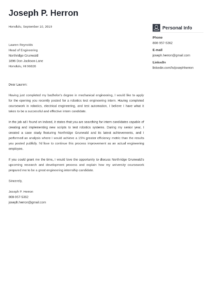
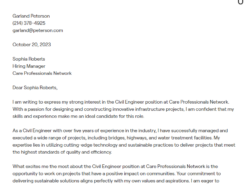
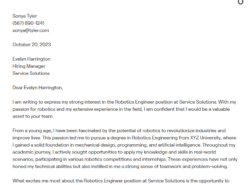
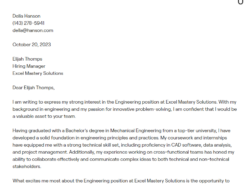
Before you even start writing the main content, ensure your contact information and the recipient’s details are accurately placed. This includes your full name, address, phone number, and email at the top, followed by the date, and then the hiring manager’s name, title, company name, and company address. If you don’t know the hiring manager’s name, addressing it to “Hiring Manager” or “Electrical Engineering Department Hiring Team” is acceptable, though finding a specific name is always preferable.
The greeting sets the tone. A formal “Dear Mr. Ms. Last Name” is standard. The body of your letter should logically flow, with each paragraph building on the last to present a cohesive argument for your candidacy. Use clear, concise language and avoid jargon where it isn’t necessary. Proofread meticulously for any grammatical errors or typos, as these can detract from an otherwise strong application.
Here are the critical components you should always include:
* Your contact information and the date
* Hiring manager’s contact information (if known)
* A clear and concise opening statement
* Paragraphs detailing relevant experience and skills
* A strong closing paragraph with a call to action
* Professional closing and your signature
Remember, every element, from the professional salutation to the confident closing, contributes to the overall impression you make. Taking the time to craft each section thoughtfully will significantly enhance your application’s impact and demonstrate your attention to detail and professionalism.
By thoughtfully applying these principles and customizing your communication to each opportunity, you’ll be well-equipped to present yourself as a top-tier candidate. Your cover letter is more than just a formality; it’s a vital tool in articulating your professional narrative and showing recruiters why you’re not just qualified, but also enthusiastic about their particular role and organization.
Taking the time to refine this crucial document can significantly boost your chances of securing an interview and moving closer to your dream electrical engineering position. Good luck, and may your well-crafted words open new doors in your career journey.