Navigating the world of self-employment brings a unique blend of freedom and responsibility. You are your own boss, your own marketing team, and often, your own accountant. One of the most crucial tasks in this entrepreneurial journey, yet sometimes overlooked, is the process of invoicing. Getting paid accurately and on time relies heavily on how effectively you present your services and charges to clients.
For many solopreneurs and freelancers, the thought of creating professional invoices from scratch for every single client can feel like a daunting addition to an already packed schedule. It involves remembering all the essential details, calculating totals, and ensuring a consistent brand image. This is where efficiency becomes your best friend, allowing you to focus more on your core business and less on administrative hurdles.
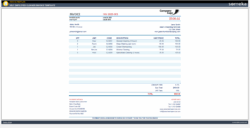
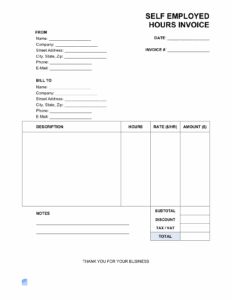
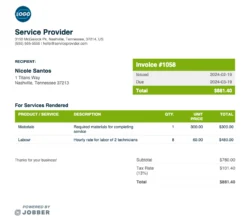
Imagine a tool that takes away the headache of invoice creation, offering a clear, professional, and editable structure ready for your specific business needs. This is precisely the benefit that a well-designed self employed blank invoice template brings to the table, streamlining your financial workflow and ensuring you always present a polished image.
Why a Standardized Invoice is Your Business’s Backbone
Invoicing is far more than just sending a bill; it’s a vital communication tool that reflects your professionalism and attention to detail. A standardized invoice ensures consistency in your brand messaging and financial documentation, which is crucial for building trust with your clients and maintaining a clear financial record for your own business. It tells your clients that you are organized and serious about your work, making them more likely to take your payment terms seriously.
Beyond the professional appearance, a structured invoice simplifies your financial tracking. When every invoice follows the same format, it becomes much easier to categorize income, track outstanding payments, and prepare for tax season. This consistency reduces the chances of errors, whether on your end or the client’s, and provides a clear paper trail for every transaction, should you ever need it for reference or dispute resolution.
Think about the time you save. Instead of reinventing the wheel for each new project or client, a template allows you to simply plug in the specific details. This efficiency directly translates into more time available for client work, business development, or even a much-needed break. It removes the mental load of remembering every single detail to include and instead offers a guided process.
Moreover, a well-structured invoice can accelerate your payment collection. By clearly stating payment terms, due dates, and acceptable payment methods, you eliminate ambiguity for your client. This clarity minimizes delays and follow-up emails, improving your cash flow and reducing the administrative burden of chasing payments.
Ultimately, a standardized invoice empowers you to manage your finances with confidence and ease. It acts as a professional bridge between your hard work and timely compensation, laying a solid foundation for sustainable growth in your self-employed venture.
Key Elements of an Effective Invoice
- Your Business Information: Include your business name, address, phone number, and email.
- Client Information: Ensure accuracy with the client’s business name, address, and contact person.
- Unique Invoice Number: Essential for tracking and referencing.
- Invoice Date and Due Date: Clearly state when the invoice was issued and when payment is expected.
- Itemized List of Services/Products: Detail each service or product, quantity, rate, and subtotal.
- Subtotal, Tax, and Total Amount: Clear calculation of all charges.
- Payment Instructions: Specify accepted payment methods, bank details, or payment gateway links.
- Terms and Conditions: Any specific payment terms, late fees, or refund policies.
Sourcing the Right Template for Your Business
Finding the perfect self employed blank invoice template doesn’t have to be a complicated task. Today’s digital landscape offers a wealth of resources, from free downloadable templates to integrated features within accounting software. The key is to select one that aligns with your specific business needs, whether you’re a freelancer, consultant, tradesperson, or creative professional. Consider the format that works best for you and your clients – some prefer a simple PDF, while others might appreciate an editable Word or Excel document.
Many online platforms and business software solutions provide a range of customizable templates. These often come with predefined fields that guide you through the invoicing process, ensuring you don’t miss any critical information. The beauty of a blank template is its adaptability; you can easily insert your branding elements like a logo, customize fonts, and adjust the layout to reflect your unique business identity, giving it a personal yet professional touch.
When choosing a template, think about the long-term. Will it be easy to update? Can you duplicate it for recurring clients or projects? Is it compatible with any accounting software you might use now or in the future? Opting for a widely supported format like Word, Excel, or a fillable PDF often provides the most flexibility, allowing you to make quick edits without needing specialized software.
Ultimately, the right invoice template empowers you to maintain a high level of professionalism with minimal effort. It simplifies financial management, helps you get paid faster, and frees up your valuable time so you can focus on what you do best: growing your self-employed business. Investing a little time upfront to choose or create a suitable template will pay dividends in efficiency and peace of mind for years to come.
Managing your invoicing effectively is a cornerstone of a thriving self-employed career. It’s about more than just collecting money; it’s about establishing professional credibility, maintaining accurate financial records, and ensuring a smooth operational flow. By leveraging well-designed tools, you transform what could be a mundane chore into an efficient part of your business strategy.
Embracing simple, effective financial practices like using a clear and comprehensive invoice not only makes your life easier but also builds a strong, professional reputation with your clients. This attention to detail reinforces your reliability and competence, paving the way for continued success and sustained growth in your independent ventures.