Navigating the complexities of international trade can often feel like deciphering a secret code, especially when it comes to shipping goods across borders. Among the many vital documents required for this journey, the commercial invoice stands out as one of the most crucial. For businesses looking to import products into the United States, understanding and correctly preparing this document isn’t just a suggestion; it’s an absolute necessity. It serves as the primary declaration to US Customs and Border Protection (CBP) regarding the goods being shipped.
The accuracy and completeness of your commercial invoice directly impact the efficiency of your shipment’s passage through customs. Errors or omissions can lead to costly delays, customs holds, penalties, and even rejection of your merchandise. This is where the value of a well-structured and comprehensive template becomes abundantly clear. It helps ensure that all the necessary information is included, presented clearly, and meets the specific requirements set forth by US Customs.
Adopting a reliable us customs commercial invoice template can significantly streamline your shipping process, minimize potential headaches, and ensure compliance. Whether you’re a seasoned importer or just starting your journey into international trade, having a clear guide to follow for this essential document is invaluable. Let’s delve into what makes a commercial invoice effective and how a template can be your best friend in this often intricate world of global commerce.
Understanding the Core Components of a Commercial Invoice for US Customs
A commercial invoice is far more than just a bill of sale; it’s a legal document that provides US Customs with a detailed account of the transaction and the goods themselves. It’s the foundation upon which duties, taxes, and import regulations are applied. Therefore, every piece of information on it must be accurate and unambiguous. Without a meticulously completed invoice, customs officials cannot properly classify your goods, assess their value, or determine their admissibility.
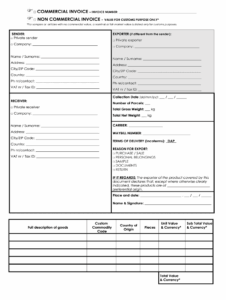
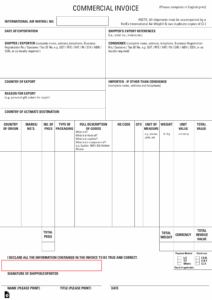
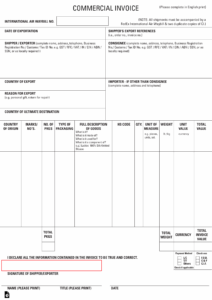
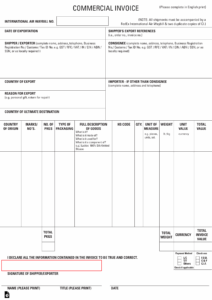
To begin, any effective commercial invoice must clearly identify all parties involved in the transaction. This includes the full name, address, and contact information for the seller or exporter, the consignee (the party to whom the goods are being shipped), and the buyer (if different from the consignee). Providing complete and accurate details here is crucial for customs to communicate effectively and track responsibilities.
Next, you need to include all relevant shipment details. This typically means an invoice number, the date of the invoice, and often a purchase order number or other reference number. Equally important are the terms of sale, commonly expressed through Incoterms. These internationally recognized rules define the responsibilities of the buyer and seller for the delivery of goods under sales contracts, determining who pays for and manages the shipment, insurance, and duties. Incorrect Incoterms can lead to disputes and unexpected costs.
Perhaps the most critical section involves the description of the goods themselves. Each item must be described in detail, including its common name, a specific description (e.g., “men’s cotton t-shirt” rather than just “clothing”), the quantity, the unit price, and the total value for each item. Crucially, you must also include the Harmonized System (HS) code, also known as the HTS (Harmonized Tariff Schedule) code for US imports, for each item. This internationally standardized system classifies traded products and dictates the duty rate. Additionally, the country of origin for each product is essential for customs to apply proper tariffs and identify any trade restrictions or agreements.
Finally, the invoice must summarize the financial aspects of the shipment. This includes the currency used, the total invoice value, any separate charges for freight and insurance, and a grand total. A clear statement of whether the goods are being sold, consigned, or shipped as a gift or sample should also be included. A signature from the exporter or their authorized agent, along with their printed name and title, certifies the authenticity and accuracy of the information provided.
Why Each Detail Matters
Every single detail on your commercial invoice serves a purpose for US Customs. Incomplete or inaccurate information, even seemingly minor errors, can have significant repercussions. If the description of goods is vague, customs may hold the shipment for inspection, causing delays and storage fees. Incorrect HTS codes can lead to the wrong duty assessment, resulting in either underpayment (which will be subject to penalties) or overpayment (which means you’re paying more than you should). Misrepresenting the country of origin can trigger anti-dumping duties or quotas. Essentially, each field on the invoice acts as a data point that customs officials use to make informed decisions about your cargo.
Leveraging a us customs commercial invoice template for Efficiency
Utilizing a standardized us customs commercial invoice template brings a wealth of advantages to businesses engaged in international trade. The most immediate benefit is the significant reduction in time spent preparing documentation. Instead of starting from scratch for every shipment, you have a pre-formatted structure that guides you through each required field, ensuring you don’t overlook any crucial details. This efficiency translates directly into faster processing and quicker dispatch of goods.
Beyond just saving time, a template dramatically enhances accuracy and consistency. By providing a predefined layout with prompts for all necessary information, it minimizes the chances of human error. This is especially beneficial for companies that handle numerous shipments or have multiple employees involved in documentation. A uniform approach ensures that every commercial invoice meets the same high standard, reducing discrepancies that could otherwise raise red flags with customs officials.
Moreover, a well-designed template acts as an excellent checklist, making sure that compliance with US Customs regulations is maintained consistently. It helps businesses, particularly smaller ones or those new to importing, to stay on the right side of the law without having to memorize an extensive list of requirements. Many templates are designed to incorporate the most common customs requirements, making the process less daunting.
While a template provides a solid foundation, remember that it’s also adaptable. You can customize certain sections to fit your specific business needs or product types, as long as the core information required by customs remains present and accurate. It’s also important to regularly review and update your template to reflect any changes in trade regulations, HTS codes, or specific country-of-origin rules. Keeping your us customs commercial invoice template current ensures ongoing compliance and avoids unforeseen issues down the line.
- Reduced risk of customs delays and penalties.
- Streamlined documentation process.
- Improved accuracy and compliance.
- Easier training for new staff members.
Mastering the commercial invoice is a cornerstone of successful international shipping into the United States. It’s a foundational document that dictates the flow of goods, the assessment of duties, and your overall compliance with import regulations. Taking the time to understand its components and ensuring every detail is precise will save you considerable time, money, and stress in the long run.
For any business engaged in cross-border commerce, adopting a robust and regularly updated us customs commercial invoice template isn’t just a convenience; it’s an indispensable tool for ensuring seamless operations and fostering positive trade relationships. Invest in getting your documentation right, and your supply chain will thank you.