Navigating the world of project billing can sometimes feel like a puzzle, especially when your work involves variable hours and materials. If you’re a contractor, consultant, or anyone who bills clients based on the actual time spent and resources consumed, you know how crucial it is to have a clear, accurate, and professional invoicing process. This method of billing offers flexibility and fairness, ensuring both you and your client are on the same page regarding costs as a project unfolds.
For many service providers, the "time and material" approach is a go-to. It’s particularly well-suited for projects where the scope might evolve, or where unforeseen challenges could arise. Unlike fixed-price contracts, it provides transparency, allowing clients to see exactly what they’re paying for, from the number of hours your team logged to the specific components or supplies used. This level of detail builds trust and minimizes disputes down the line.
But transparency doesn’t happen by magic. It requires a well-structured invoice that meticulously breaks down every cost. This is where having a reliable time and material invoice template comes into play. It streamlines your billing, ensures consistency, and presents a professional image, making the payment process smoother for everyone involved. Let’s explore why this type of template is indispensable for your business.
Understanding the Core of Time and Material Billing
Time and material billing is fundamentally about accountability. It’s a contractual agreement where the client pays the contractor for the labor expended at a specified hourly rate, plus the cost of materials and other direct non-labor expenses. This method is often favored when the project’s exact scope isn’t fully defined at the outset, or when there’s a high degree of uncertainty regarding the effort and resources required. Think of custom software development, home renovations with potential hidden issues, or consulting projects where the client’s needs might shift.
The beauty of this billing model lies in its fairness. Contractors are compensated for every hour they put in and every dollar they spend on behalf of the client, protecting them from underestimating a project’s complexity. Clients, on the other hand, benefit from knowing they are only paying for the actual work performed and materials used, preventing overpayment for services that weren’t rendered or supplies that weren’t needed. It fosters a collaborative environment where changes can be accommodated without the need for constant renegotiation of the entire contract.
However, for this system to work effectively, clear and consistent documentation is paramount. Every hour must be tracked accurately, and every material cost must be itemized. This is where a robust invoicing system becomes a cornerstone of your business operations. Without a proper way to present these details, even the most meticulous tracking can fall flat, leading to confusion and potential payment delays.
A well-designed invoice serves as the primary communication tool for these financial details. It needs to be comprehensive yet easy to read, clearly separating labor costs from material expenses. It should also include a detailed description of the services provided, the dates they were rendered, and the quantities of materials consumed. This level of granularity is not just good practice; it’s essential for maintaining trust and ensuring swift payments.
Key Elements to Include
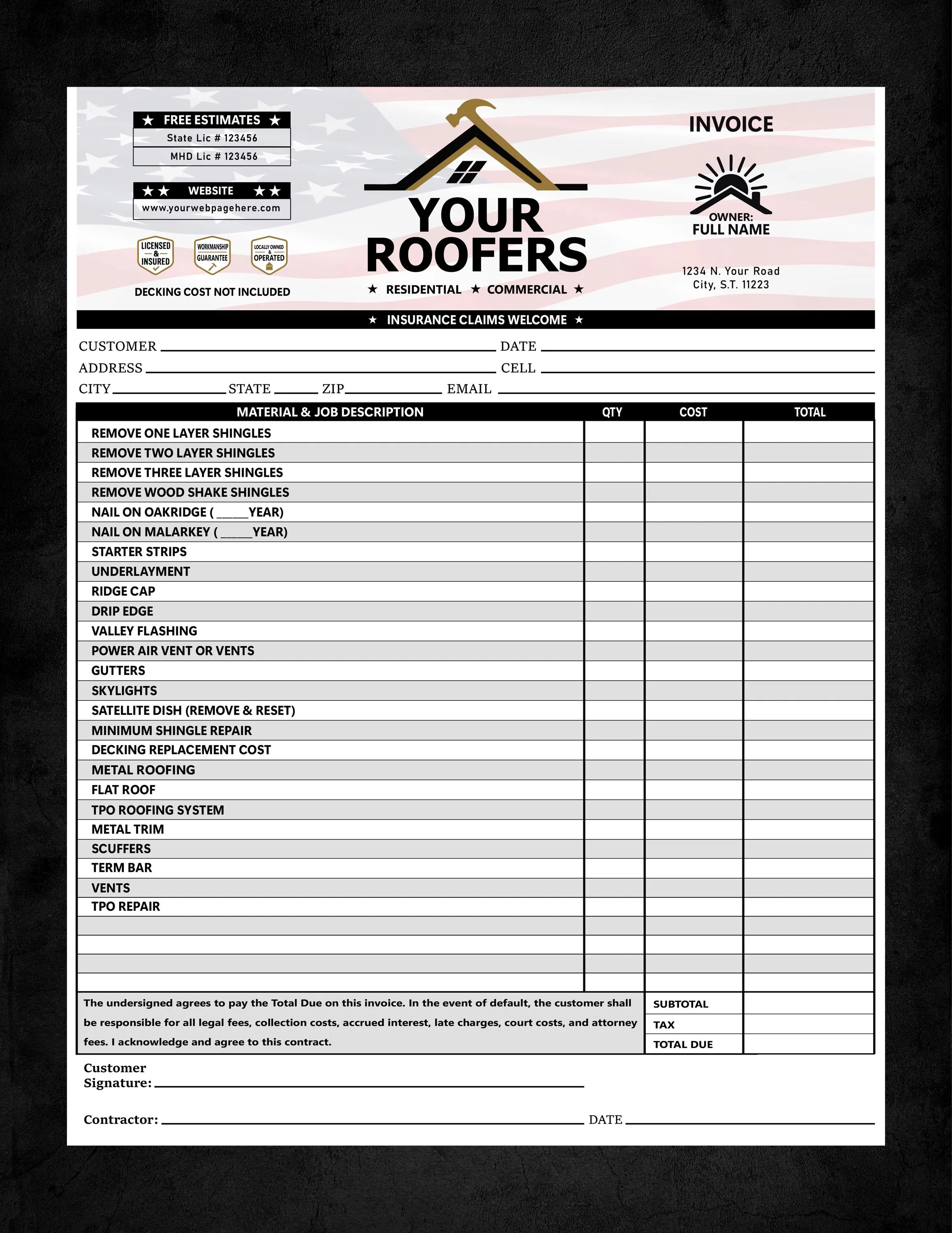
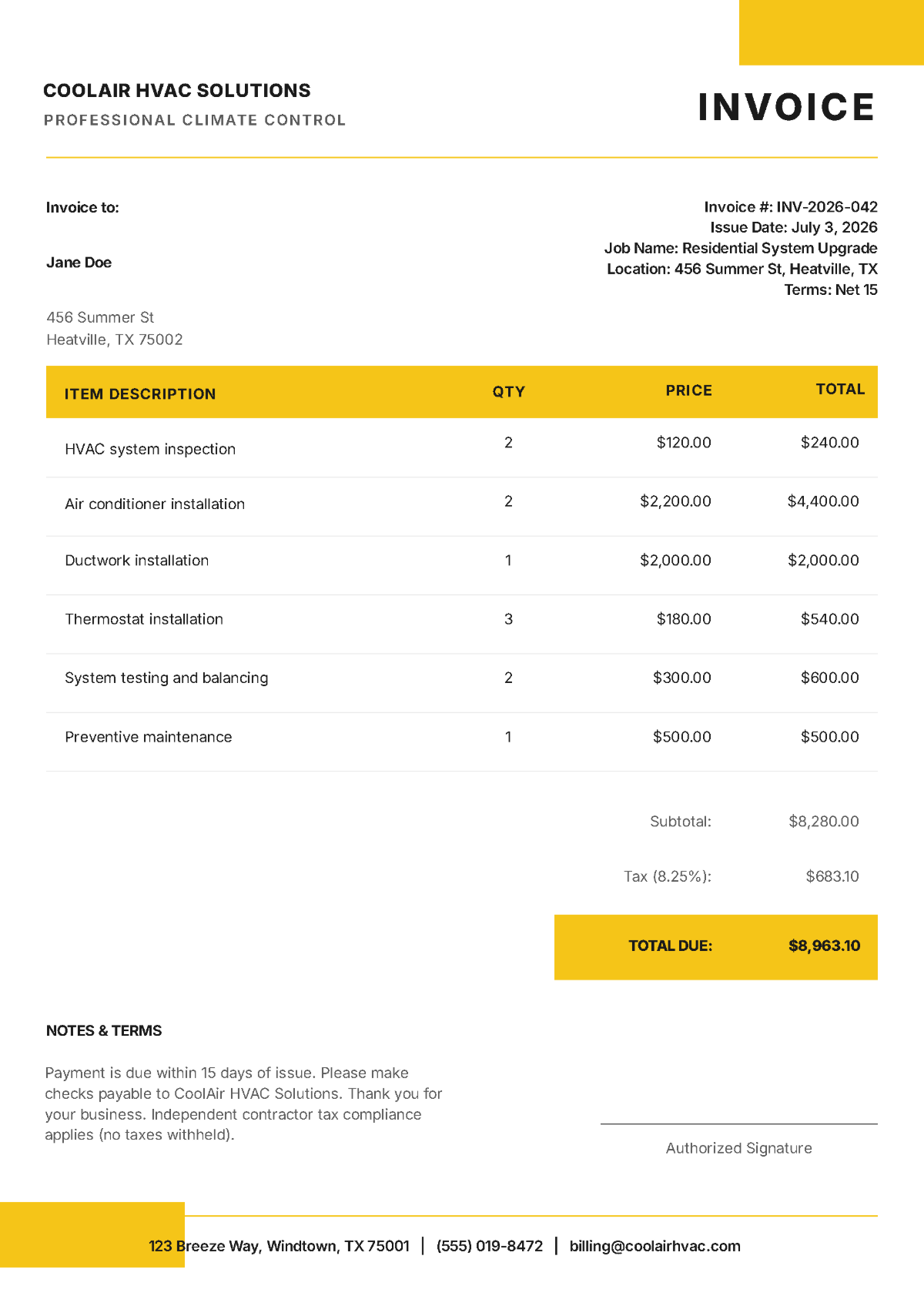
When you’re putting together your time and material invoice template, there are several critical pieces of information that simply can’t be left out. These details ensure clarity and compliance, making sure your invoice is understood by your client and recognized for accounting purposes.
- Your Business Information: Full company name, address, phone number, and email.
- Client Information: Client’s full name, company name, address, and contact details.
- Invoice Number: A unique identifier for tracking and record-keeping.
- Invoice Date: The date the invoice was issued.
- Project Name or Description: A clear reference to the specific project the invoice pertains to.
- Payment Due Date: When the payment is expected.
- Itemized Labor Costs:
- Date of service
- Description of work performed
- Hourly rate
- Number of hours
- Total for each labor entry
- Itemized Material Costs:
- Date of purchase or use
- Description of material
- Quantity
- Unit cost
- Total for each material entry
- Any Additional Expenses: Travel, permits, subcontractor costs, etc., with clear descriptions.
- Subtotals: For labor, materials, and other expenses.
- Applicable Taxes: Clearly state the tax rate and the amount.
- Grand Total: The total amount due.
- Payment Terms: Acceptable payment methods, late payment policies, and any discounts.
Streamlining Your Billing with a Ready-Made Template
The beauty of utilizing a dedicated time and material invoice template isn’t just about what you include, but how it simplifies your entire billing workflow. Instead of starting from scratch every time you need to bill a client, a template provides a consistent framework. This consistency is invaluable, as it reduces the chances of errors, ensures that no critical information is ever missed, and presents a highly professional image to your clients. Imagine the time saved when you only need to fill in project-specific details rather than designing an entire document each month.
A good template also helps in maintaining clear records for your own accounting and tax purposes. When all your invoices follow the same structure, it becomes much easier to track revenue, categorize expenses, and retrieve specific details if questions arise down the line. This systematic approach can be a huge relief during tax season or when you need to review project profitability. It essentially acts as a pre-flight checklist, ensuring all the necessary components for a successful and compliant invoice are present.
Furthermore, a well-designed time and material invoice template can be customized to reflect your brand. Adding your company logo, choosing a professional font, and incorporating your brand colors can elevate a generic document into a powerful brand touchpoint. This attention to detail reinforces your professionalism and trustworthiness, subtly communicating to clients that you take every aspect of your business seriously, from the quality of your work to your administrative processes.
When choosing or creating your template, consider its ease of use. Is it straightforward to enter data? Can you easily add or remove rows for labor and materials as needed? The best templates are intuitive, allowing you to quickly generate an invoice and move on to what you do best: serving your clients. Look for one that supports clear itemization, provides automatic calculations for totals and taxes, and allows for clear, concise descriptions of services and materials.
Embracing a robust time and material invoice template is more than just a convenience; it’s a strategic business decision. It professionalizes your billing, reduces administrative burden, and fosters greater transparency with your clients. By clearly outlining every cost, you build stronger relationships based on trust and mutual understanding. This in turn leads to quicker payments and fewer billing disputes, allowing you to focus more energy on delivering outstanding work.
Having a clear, detailed, and consistent invoicing process ultimately contributes to the overall health and efficiency of your business. It transforms what could be a cumbersome task into a smooth, predictable operation, ensuring that your valuable efforts are always accurately compensated.