Navigating the world of medical information can often feel like a complex journey, especially when you need to access your personal health records. Whether it’s for a new doctor, an insurance claim, a legal matter, or simply to keep track of your health history, requesting these documents is a common occurrence. While the right to access your records is fundamental, the process sometimes involves administrative fees, and understanding these costs is crucial for both healthcare providers and individuals making the request.
For healthcare facilities, managing these requests efficiently means ensuring that all applicable charges are accurately calculated and presented. This not only maintains transparency with the patient or requester but also ensures the facility is compensated for the time, resources, and materials involved in retrieving, compiling, and delivering these sensitive documents. Without a clear system, this administrative task can become cumbersome, leading to potential delays or misunderstandings.
This is where a structured approach to billing becomes incredibly valuable. Having a standardized way to itemize and present these charges simplifies the process for everyone involved. It eliminates guesswork, provides a professional appearance, and helps streamline financial record-keeping. A well-designed document can transform a potentially confusing exchange into a clear and straightforward transaction.
Crafting a Clear and Compliant Invoice for Medical Records
When it comes to providing medical records, the administrative burden and associated costs are real. From the labor involved in locating and reviewing files to the expenses of copying, scanning, and secure postage, these activities require resources. Therefore, having a comprehensive and transparent invoice is not just good practice, it’s often a regulatory necessity. A proper invoice ensures that all parties understand what they are paying for, promoting trust and preventing disputes. It serves as a formal record of the transaction, which is essential for accounting and compliance purposes.
The journey of creating such an invoice begins with identifying the fundamental information needed to process the request accurately. This includes the full name of the patient whose records are being requested, their date of birth, and any relevant patient identification numbers. Equally important are the details of the requester, whether it’s the patient themselves, an attorney, another medical office, or an insurance company, along with their contact information and the specific reason for the request. Clarity on who is asking for what helps prevent errors and ensures the correct records are prepared.
Essential Components of Your Invoice
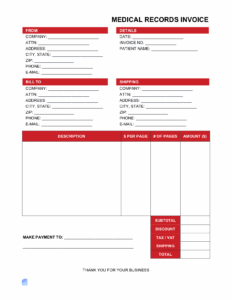
A robust medical records request invoice template should clearly delineate the various charges. These typically include:
- Copying Fees: Often charged per page, with rates that can vary by state or facility policy. Digital copies might have different pricing.
- Labor/Processing Fees: Compensating staff for the time spent retrieving, reviewing, and preparing the records. This can sometimes be a flat fee or an hourly rate.
- Certification Fees: If certified copies are required for legal purposes, there might be an additional charge for the official seal and signature.
- Shipping/Handling Costs: Expenses for secure mailing, courier services, or electronic delivery platforms.
- Sales Tax: Where applicable, based on local regulations.
Each of these components should be itemized, with the quantity, unit price, and total for each line item. This level of detail offers unparalleled transparency.
Compliance with state and federal regulations is paramount. Many states have specific caps on how much healthcare providers can charge for medical records, often differentiating between paper and electronic copies. Understanding these legal limitations is crucial to avoid overcharging and potential legal repercussions. An invoice should reflect these caps, ensuring that all fees are within the permissible range. Facilities often consult legal counsel or industry associations to stay updated on the latest fee schedules and regulations in their jurisdiction.
Finally, the invoice needs to include clear payment terms, such as the due date, acceptable payment methods, and any late payment policies. Providing contact information for billing inquiries is also vital. A professional and comprehensive invoice not only makes financial sense but also reinforces the organization’s commitment to patient rights and regulatory compliance, fostering a smooth and respectful interaction throughout the records request process.
Simplifying Billing with a Structured Template
Manually creating invoices for medical record requests can be a time-consuming and error-prone process, especially for busy healthcare facilities. Each request might involve different numbers of pages, varying delivery methods, and specific state-regulated fees. Without a pre-designed framework, staff members could spend valuable time drafting documents from scratch, potentially overlooking essential details or miscalculating charges. This administrative burden detracts from patient care and can lead to inefficiencies within the billing department.
A well-designed medical records request invoice template offers an immediate solution to these challenges. By providing a ready-to-use structure, it significantly reduces the time spent on administrative tasks. Staff can simply input the specific details of each request into predefined fields, ensuring consistency and accuracy across all invoices. This standardization not only speeds up the billing process but also minimizes the chances of human error, leading to fewer disputes and a smoother financial workflow.
Beyond efficiency, a consistent template projects professionalism. When patients or legal entities receive an invoice that is clearly laid out, easy to understand, and uniformly branded, it reflects positively on the healthcare provider. This attention to detail builds trust and demonstrates an organized approach to administrative duties. Furthermore, many templates are designed to be customizable, allowing facilities to add their logos, specific terms, and contact information, reinforcing their identity while adhering to a clear billing standard.
Ultimately, adopting a standardized template for medical record requests benefits everyone involved. It simplifies the billing process for the healthcare provider, ensuring fair compensation for their administrative efforts while staying compliant with regulations. For the patient or requester, it offers transparency and clarity regarding the costs associated with accessing their vital health information. This streamlined approach fosters a more efficient, professional, and trustworthy environment for managing sensitive medical data.
Navigating the administrative aspects of medical records requests requires a blend of efficiency, transparency, and compliance. Implementing a clear and structured billing process, supported by a professional document, ensures that all parties understand their responsibilities and the associated costs. This systematic approach is not just about financial recovery; it’s about maintaining a high standard of patient service and operational integrity.
By choosing to utilize a well-designed format for these transactions, healthcare providers can significantly streamline their workflow, reduce potential for errors, and enhance the overall experience for those seeking access to their personal health information. Such a resource becomes an invaluable tool in managing the delicate balance between patient access and administrative requirements.