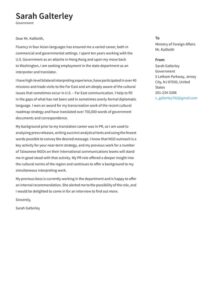
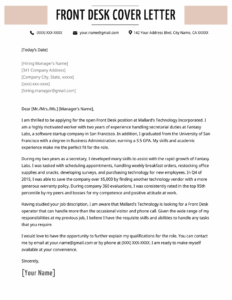
Submitting a formal bid can feel like a high stakes game where every detail matters. Whether you are a seasoned contractor or a small business owner looking to break into government contracts, the way you present your proposal is just as important as the price you offer. Using a professional tender submission cover letter template ensures that you maintain a consistent and polished image while highlighting your unique value proposition to the decision makers on the other side of the desk.
Many bidders often treat the cover letter as an afterthought, but it is actually your very first chance to make a strong impression. Think of it as your elevator pitch in written form. It bridges the gap between a pile of dry technical specifications and the actual human beings who are reading your bid. By carefully crafting this introduction, you set the tone for your entire proposal and signal that you are organized, professional, and genuinely interested in solving their specific problems.
Why Your Cover Letter Matters More Than You Think
The primary purpose of a cover letter is to humanize your proposal. When procurement officers or selection panels review dozens of submissions, they often get lost in data sheets, pricing tables, and project timelines. A well written letter acts as a guide, providing a high level overview of why your company is the perfect partner for this specific job. It allows you to speak directly to their needs rather than just regurgitating your own capabilities.
Another major advantage of using a template is the efficiency it brings to your workflow. If you are constantly bidding on new projects, you cannot afford to start from scratch every single time. A structured layout allows you to plug in the essential details like the tender reference number and project name without compromising the quality of your message. It saves you valuable time during the frantic final hours before a submission deadline.
Furthermore, this document serves as a final quality control check. By referencing your commitment to safety, quality standards, and deadlines, you reiterate your reliability before the reader even digs into the deeper technical sections. It is a subtle way to reinforce the most critical parts of your pitch, ensuring that your core message is not lost in the fine print.
To make your cover letter truly effective, consider including these essential elements:
- A clear reference to the specific tender number and project title.
- A brief acknowledgment of the scope of work to show you truly understand the task.
- A concise summary of why your team has the specific skills or experience required.
- A professional closing statement that reiterates your availability for follow up interviews or clarifications.
Best Practices for Customizing Your Proposal
The biggest mistake you can make is sending a generic, robotic document that sounds like it was written by a machine. Even when you start with a tender submission cover letter template, you must invest time in personalization. Research the organization you are pitching to and use their specific terminology. If they mention sustainability as a core goal in their tender documents, make sure to explicitly mention how your company supports that vision in your opening letter.
Keep your language clean, concise, and focused on the client. It is tempting to write pages about how great your company is, but the reader is mostly interested in how you will make their life easier. Focus on the benefits of your service rather than just the features. If you can clearly articulate how you will reduce their risk or save them time, you are already ahead of most of your competition.
Finally, always perform a final proofread. A simple typo in the name of the company or the tender reference can immediately undermine your credibility. Have a colleague look it over if possible, or use digital tools to check for tone and grammar. A clean, error free document shows the client that you pay attention to detail in your administrative tasks, which suggests you will likely be equally detail oriented when executing the project itself.
Ultimately, your cover letter is the gateway to your proposal. It creates that all important first impression and invites the evaluator to dive deeper into your bid with a sense of confidence and trust. By choosing to present yourself with clarity and a professional tone, you distinguish your company as a serious contender that understands the value of good communication.
Take the time to refine your approach with every submission. Over time, you will find that these letters become a powerful tool in your sales kit, helping you secure more contracts and build stronger relationships with potential clients. Remember that behind every contract is a person looking for the right partner, so write your letter to that person and keep your goals in clear focus.