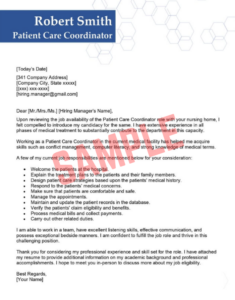
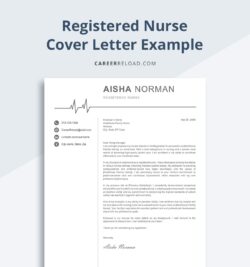
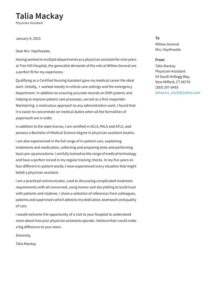
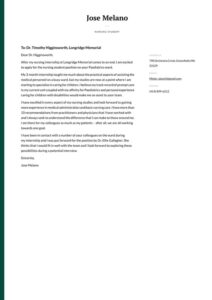
Landing a job as a nurse is an exciting milestone, but the application process can feel like a mountain to climb. You have the clinical skills and the heart for patient care, but translating that onto paper is a different challenge entirely. That is why finding a reliable registered nurse cover letter template is such a game changer. It provides you with a solid foundation, allowing you to showcase your professional personality without staring at a blinking cursor for hours on end.
Think of your cover letter as your first patient interaction. It needs to be professional, empathetic, and clear. While your resume covers the technical facts like certifications and work history, your cover letter tells the story of why you are the perfect fit for the specific unit or facility. By using a structured approach, you can highlight your unique experiences in a way that resonates with hiring managers and sets you apart from the sea of other applicants.
Why Your Cover Letter Matters More Than You Think
In the fast paced world of healthcare, hiring managers often sift through dozens of applications in a single sitting. They are looking for more than just a list of clinical competencies. They want to see your passion, your ability to communicate effectively, and your genuine interest in their specific organization. A generic application often gets skipped, but one that speaks directly to the needs of the unit shows that you have done your research.
Many nurses make the mistake of simply summarizing their resume in their letter. Instead, you should focus on the impact you have made in your previous roles. Did you improve patient satisfaction scores? Did you mentor new staff or streamline a workflow in the ICU? These are the moments that stick in a recruiter’s mind. When you use a high quality registered nurse cover letter template, you ensure that you are focusing on value driven language rather than just a dry chronological list.
Furthermore, the cover letter is your chance to address any nuances in your career path. Perhaps you are transitioning from medical surgical nursing to the emergency room, or you are returning to the workforce after a break. Your cover letter provides the necessary context for these decisions. It allows you to frame your narrative in a positive light, turning potential questions into strengths that highlight your adaptability and drive to learn new skills.
Finally, do not underestimate the importance of your tone. Even if you are applying to a large hospital system, you want to sound like a human being. Using a template allows you to focus on the structure so that you can dedicate your energy to crafting a voice that is professional yet warm and approachable. Remember, you are applying for a role that requires deep interpersonal skills, and your writing should reflect that same level of care and consideration for others.
- Start with a strong opening that names the specific position.
- Mention why you are drawn to that particular healthcare facility.
- Use specific examples of your clinical success stories.
- Connect your professional goals to the mission of the hospital.
- Always proofread for clarity and professional etiquette.
Mastering the Content of Your Application
When you start filling out your document, keep the content focused on how you solve problems. Hospitals are busy environments where things can change in an instant. Showing that you remain calm under pressure and can think critically on your feet is often just as important as your specific license or degree. If you have experience with electronic health records or specialized equipment, mention how these tools helped you provide safer patient care.
The structure should be clean and easy to scan. Hiring managers are busy people, so keep your paragraphs short and your points punchy. Use bullet points if you have several key achievements that you want to highlight, as this breaks up the text and makes it easier for the reader to absorb your qualifications. By keeping your layout clean, you signal that you are an organized and detail oriented nurse who values efficiency in clinical settings.
Lastly, always close your letter with a clear call to action. Express your enthusiasm for the opportunity to interview and discuss how your skills align with their team needs. Thank the reader for their time and consideration, as this shows that you understand the value of their busy schedule. A polite and professional sign off leaves a lasting positive impression that can often be the deciding factor when it comes to landing an interview.
Ultimately, writing a great cover letter is about bridge building. It is about connecting your past experiences and your future ambitions to the immediate goals of the healthcare team you wish to join. When you approach this task with intent and authenticity, you stop being just another name on a file and start being a candidate who the team is genuinely excited to meet.
Take the time to refine your narrative and ensure your strengths are front and center. You have worked hard to earn your qualifications, so let your cover letter reflect the pride you take in your profession. With a little bit of preparation and a focus on your unique contributions, you will be well on your way to securing the nursing position you have been dreaming of.