Running a construction business, whether you are a general contractor, a specialized subcontractor, or manage a small local crew, involves a lot more than just building and renovating. You’re constantly juggling project timelines, managing materials, coordinating teams, and, perhaps most importantly, ensuring you get paid for your hard work. This final step, invoicing, can often feel like another project in itself, prone to errors or delays if not handled efficiently.
Imagine a world where creating an invoice doesn’t require staring at a blank document or fumbling through old spreadsheets. A world where you can quickly and accurately bill clients, providing a clear breakdown of services, materials, and labor. That’s precisely the power of a well-designed, specialized template, tailored to the unique demands of the construction industry. It transforms a potentially cumbersome task into a smooth, professional process.
This article will guide you through the essential elements of an effective construction invoice, highlighting why having a dedicated invoice template for construction work is not just a convenience, but a crucial tool for your business success. We’ll explore what makes these templates so vital, the key components you should always include, and how adopting one can streamline your financial operations, enhance your professional image, and ultimately, ensure you get paid on time.
Why a Specialized Invoice Template is a Game Changer for Your Construction Business
In the fast-paced world of construction, time is money, and accuracy is paramount. Relying on generic invoice forms or creating each bill from scratch can lead to inconsistencies, missed details, and ultimately, delays in payment. A specialized template, on the other hand, provides a standardized framework, ensuring that every piece of critical information is captured, every time. This consistency not only saves you valuable administrative hours but also minimizes the risk of costly errors.
Construction projects are inherently complex, often involving multiple phases, various materials, equipment rentals, and diverse labor costs. A standard template might not offer the granular detail required to accurately reflect these nuances. A tailored construction invoice template, however, is designed with these complexities in mind, allowing for detailed itemization that clearly communicates the value of your work to the client, preventing disputes and fostering trust.
Beyond mere functionality, a professional-looking invoice template significantly enhances your company’s image. A well-structured, branded invoice signals professionalism and attention to detail, reinforcing your reputation as a reliable and competent contractor. It’s an extension of your brand, leaving a lasting impression on clients and helping you stand out from the competition.
Moreover, good invoicing practices are vital for legal and financial compliance. Detailed invoices serve as official records of services rendered and payments due, which are crucial for tax purposes, audits, and resolving any potential disagreements. A consistent template ensures all necessary regulatory information, such as tax IDs and project numbers, is routinely included, keeping your business on solid legal ground.
Ultimately, the goal of any invoice is to get paid. An `invoice template for construction work` designed for clarity and comprehensiveness makes it easier for your clients to understand what they’re paying for, reducing the likelihood of questions or delays. Clear payment terms and methods, prominently displayed, guide your clients toward prompt payment, improving your cash flow and financial stability.
Key Features to Look For in Your Construction Invoice Template
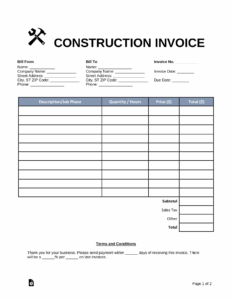
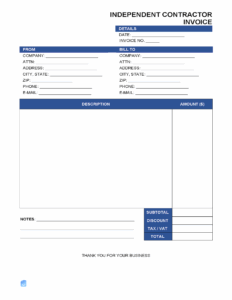
- Your Company’s Logo and Full Contact Information: Name, address, phone number, email, and website.
- Client’s Details: Name, company, billing address, and project site address.
- Unique Invoice Number: For easy tracking and reference.
- Invoice Date and Due Date: Clearly stipulating when the invoice was issued and when payment is expected.
- Detailed Description of Services Rendered: Break down tasks by phase, milestone, or specific job (e.g., foundation work, framing, plumbing installation).
- Itemized Costs: Include labor hours (with rates), material costs (with quantities and unit prices), equipment rental, and any subcontractor costs.
- Subtotal, Applicable Taxes, Discounts, and Total Amount Due: A clear financial summary.
- Payment Terms: Specific conditions regarding payment, late fees, and accepted methods.
- Space for Notes or Special Instructions: To add project-specific details or client communications.
Crafting Your Perfect Invoice Template for Construction Work
Once you understand the fundamental components, the next step is to either choose an existing template that closely meets your needs or customize one to perfectly fit your business model. There are many digital solutions available, from simple Word or Excel templates to more sophisticated accounting software that includes invoicing features. The key is to select a format that allows for easy input of all your project specifics while maintaining a professional appearance.
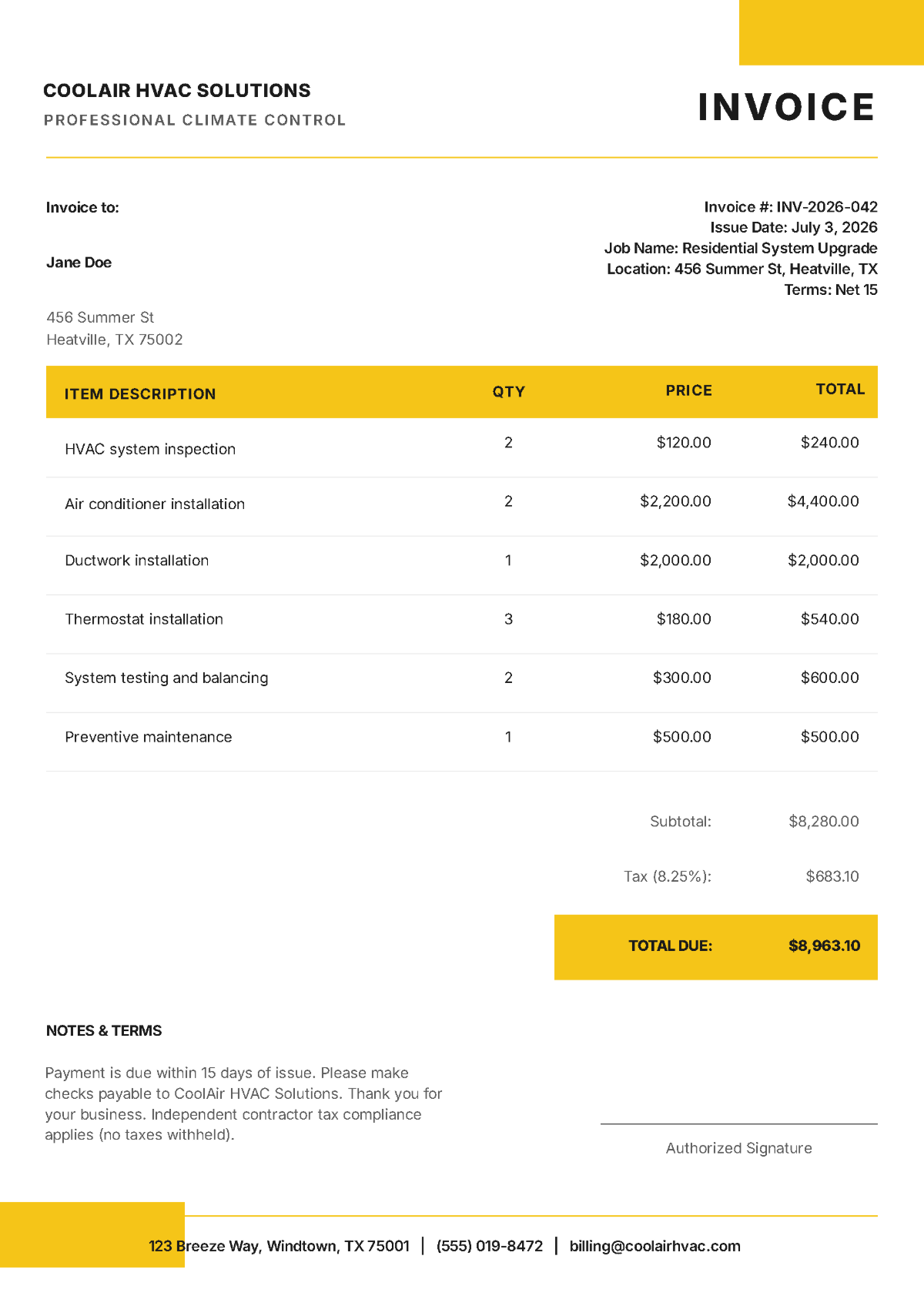
When you’re ready to fill out your invoice, precision is your best friend. Double-check all figures, dates, and client information. Be as descriptive as possible in your service breakdown. Instead of just writing “Labor,” specify “Skilled Labor – Framing (40 hours @ $X/hr)” and “General Labor – Site Cleanup (20 hours @ $Y/hr).” This level of detail builds trust and demonstrates the thoroughness of your work, making it harder for clients to dispute charges.
Consider adding a section for project progress or phase completion if you’re invoicing for ongoing work. For example, “Phase 1: Foundation Completed – 50% of total project cost” or “Materials for Roofing Delivered and Installed.” This contextual information helps clients track the project’s advancement against your billing, ensuring everyone is on the same page and fostering transparency.
By consistently using a robust `invoice template for construction work`, you’re not just sending a bill; you’re building a foundation for financial stability and business growth. It simplifies accounting, improves cash flow, and frees up your valuable time, allowing you to focus on what you do best: delivering outstanding construction projects. This level of organization speaks volumes about your company’s professionalism and reliability.
Implementing a dedicated invoicing system for your construction projects is a smart business decision that pays dividends far beyond just getting paid. It’s about creating a seamless financial workflow, reducing administrative burdens, and presenting a polished, professional image to your clients. A well-structured invoice minimizes potential misunderstandings and maximizes your chances of receiving prompt payment, which is crucial for the health and growth of any construction enterprise.
So, take the initiative to refine your invoicing process. By investing a little time upfront into creating or customizing an effective template, you’ll gain countless hours back, reduce stress, and ensure your hard-earned money comes in without a hitch. It’s a simple change that can have a profound impact on your business’s efficiency and profitability, allowing you to focus more on building dreams and less on chasing payments.