Starting your journey as a nursing student is incredibly exciting, filled with new knowledge and hands-on experiences. As you progress, you’ll undoubtedly encounter opportunities for clinical placements, externships, or even your very first nursing assistant job. To truly make a strong impression and stand out from the crowd, a well-crafted cover letter is your secret weapon. Finding the right cover letter template for nursing student applications can feel like a challenge, but it’s a critical step in showcasing your enthusiasm and potential.
Think of your cover letter not just as a formality, but as your personal introduction and a chance to tell your unique story. It’s where you articulate why you’re passionate about nursing, what specific skills you bring to the table even as a student, and how your academic and clinical experiences align with the opportunity you’re applying for. It bridges the gap between your resume’s bullet points and your vibrant personality.
This guide will walk you through creating a compelling cover letter that not only catches the eye of hiring managers and clinical coordinators but also reflects your dedication to the nursing profession. We’ll explore the essential elements and offer tips to ensure your letter is both professional and authentically "you."
Crafting Your Standout Nursing Student Cover Letter
Creating a cover letter that truly resonates requires more than just filling in blanks; it demands personalization and a clear understanding of what makes you a great fit. Every cover letter should be tailored to the specific position or program you are applying for, demonstrating that you’ve done your homework and are genuinely interested in that particular opportunity. It’s your chance to expand on the experiences listed in your resume and connect them directly to the needs of the institution.
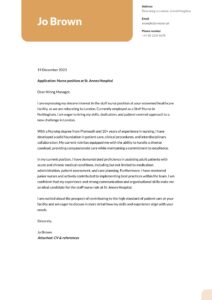
Begin your letter with your contact information, the date, and the recipient’s contact information. If you know the name of the hiring manager or clinical coordinator, address them directly. This small detail shows initiative and attention to detail. If you don’t have a specific name, a professional salutation like "Dear Hiring Manager" or "Dear Clinical Coordinator" is perfectly acceptable.
The opening paragraph is your hook. Start by clearly stating the position you are applying for and where you saw the advertisement. Immediately express your enthusiasm and briefly mention what excites you about this specific role or organization. This shows that you are not sending a generic letter but have thoughtfully considered this particular opportunity. For example, you might mention how their facility’s commitment to patient-centered care aligns with your personal values.
In the subsequent body paragraphs, dive into your relevant experiences and skills. As a nursing student, you might not have extensive professional experience, but your academic coursework, clinical rotations, and volunteer work are incredibly valuable. Connect your classroom learning to practical applications. Discuss specific patient care scenarios you’ve encountered in clinicals, the skills you’ve developed (e.g., vital sign assessment, medication administration, wound care), and the patient populations you’ve worked with.
Don’t forget to highlight your soft skills, which are paramount in nursing. Empathy, communication, teamwork, critical thinking, and adaptability are all highly sought-after qualities. Provide brief examples of how you’ve demonstrated these skills. Perhaps you mediated a conflict during a group project, effectively communicated complex information to a patient, or quickly adapted to a new clinical environment. These examples paint a vivid picture of your potential.
Conclude your cover letter by reiterating your strong interest in the position and the organization. Briefly summarize why you believe you would be an excellent asset to their team, emphasizing your eagerness to learn and contribute. End with a polite call to action, expressing your desire for an interview to discuss your qualifications further. Thank them for their time and consideration.
Finally, close professionally with phrases like "Sincerely," or "Respectfully," followed by your typed name. If you are submitting a physical copy, sign your name above your typed name. This complete structure ensures all necessary information is present and presented in a logical, professional flow.
Essential Tips for Polishing Your Cover Letter
After drafting your cover letter, the crucial next step is to meticulously proofread and edit it. A single typo or grammatical error can detract from your professionalism and attention to detail. Read your letter aloud to catch awkward phrasing, and consider asking a trusted friend, mentor, or career services professional to review it for clarity, conciseness, and accuracy. A fresh pair of eyes can often spot mistakes you might have overlooked.
Remember that while a general cover letter template for nursing student applications can provide a solid foundation, each letter should be a unique response to a specific job description. Scrutinize the job posting for keywords related to skills, responsibilities, and values, and try to weave these naturally into your letter. This shows the hiring manager that you understand their needs and have taken the time to align your qualifications directly with what they are looking for.
Keep your cover letter concise and to the point. Ideally, it should fit on a single page. Hiring managers often have limited time, so make every word count. Avoid jargon unless it’s directly relevant and understood within the nursing field, and always maintain a professional yet engaging tone. Your goal is to be memorable for the right reasons.
Here are a few more actionable tips to make your cover letter shine:
- **Research the organization thoroughly:** Show you know about their mission, values, or specific units.
- **Address it to a specific person:** If possible, find out the name of the hiring manager or department head.
- **Maintain a professional font and format:** Use a readable font like Times New Roman, Arial, or Calibri, typically in 10-12 point size.
- **Express genuine enthusiasm:** Let your passion for nursing and patient care come through in your writing.
Your cover letter is more than just an application document; it’s an extension of your professional self, a narrative that complements your resume and showcases your potential. By investing time and effort into crafting a thoughtful, personalized letter, you significantly increase your chances of securing that coveted interview. It’s an opportunity to truly articulate your passion for healthcare and demonstrate why you are the ideal candidate for the next step in your nursing career.
Approaching your job search with a strong cover letter empowers you to confidently present your skills, experiences, and aspirations. It’s about making a memorable first impression that highlights your unique contributions and commitment to the nursing profession. Now go forth, write with confidence, and make your mark!