Managing patient information is a core part of any healthcare practice, and sometimes, requests for medical records come with an associated administrative cost. Whether it’s for insurance purposes, legal proceedings, or a patient’s personal use, providing these records requires time and resources from your team. Ensuring that these services are properly accounted for and professionally billed is crucial for maintaining financial health and operational efficiency.
However, creating an invoice from scratch every time can be a tedious and error-prone process. Juggling different fee structures, ensuring compliance with privacy regulations, and making sure all necessary details are included can quickly become overwhelming. This administrative burden can take away valuable time that could be better spent focusing on patient care.
That’s where having a reliable and well-designed invoice solution comes in handy. Imagine a tool that simplifies this task, ensuring accuracy and professionalism with every transaction. A readily available and easy-to-use resource can transform how you handle these requests, streamlining your workflow and providing clarity for both your practice and the requesting party. This is precisely the benefit you gain from a well-structured free medical records invoice template.
Why a Medical Records Invoice Template Is Essential for Your Practice
In the fast-paced environment of healthcare, every moment counts. When you need to provide medical records, the process of invoicing should be as smooth and straightforward as possible. A dedicated template ensures that you maintain a consistent and professional image, reflecting the high standards of your practice. It’s not just about getting paid; it’s about presenting a clear, organized document that instills confidence and simplifies the transaction for everyone involved.
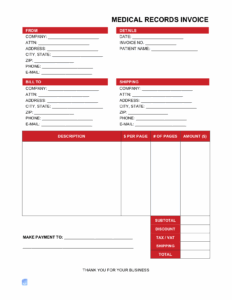
Beyond professionalism, accuracy and compliance are paramount. Medical records are highly sensitive, and any associated financial transactions must adhere to various regulations, including HIPAA in the United States. A pre-designed template helps you ensure that all required fields are present, minimizing the risk of errors or omissions that could lead to delays or legal complications. It acts as a checklist, guiding you to include everything from patient identifiers to specific record details and applicable fees, all in one consolidated document.
Furthermore, using a template makes cost recovery incredibly transparent. It clearly itemizes the services rendered for providing the records, whether it’s a per-page fee, administrative charges, or postage costs. This transparency is vital for building trust with patients and third parties, as it leaves no room for ambiguity about what they are being charged for. A detailed breakdown on an invoice makes it easier for the payer to understand and process the bill, leading to quicker payments and fewer disputes.
Think about the time savings alone. Instead of drafting a new invoice document from the ground up each time a request comes in, a template allows you to simply fill in the specific details for that particular request. This drastically cuts down on administrative time, freeing up your staff to focus on more critical tasks. It also significantly reduces the likelihood of human error, as the core structure and essential information are already in place, waiting for specific data input.
Embracing a digital template further enhances these benefits. Once you have a suitable free medical records invoice template, it can be stored, duplicated, and filled out on a computer, allowing for easy updates, professional printing, or even direct email transmission. This digital approach not only contributes to a paperless environment but also provides a clear, searchable record of all invoices sent, simplifying your bookkeeping and auditing processes considerably.
Key Information Every Medical Records Invoice Needs
- Your practice’s full name, address, and contact information.
- The patient’s full name and date of birth.
- The name and contact information of the requesting party (if different from the patient).
- A unique invoice number and the date of the invoice.
- Date of the medical records request.
- A clear description of the records provided (e.g., “Medical records for dates 01/01/2020 – 12/31/2022”).
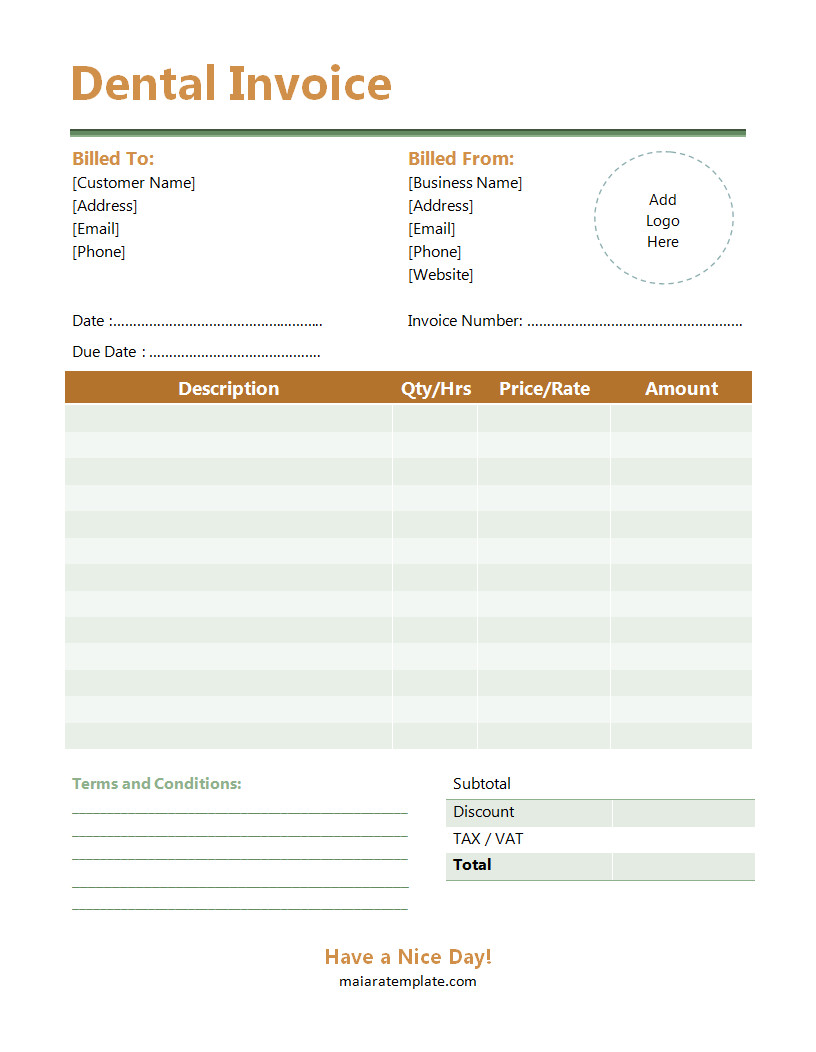
- Itemized list of charges (e.g., per-page fee, administrative fee, postage).
- Total amount due.
- Payment terms and due date.
- Instructions on how to make a payment.
How to Easily Customize and Use Your Free Template
One of the greatest advantages of a free medical records invoice template is its user-friendliness and adaptability. You don’t need to be a design expert or an accounting wizard to get started. These templates are typically designed with simplicity in mind, allowing anyone in your administrative team to quickly grasp how to use them effectively. The goal is to make your invoicing process as seamless as possible, not to add another layer of complexity to your day-to-day operations.
Customization is a breeze. While the core structure is provided, you can easily personalize your template to reflect your practice’s brand. Add your logo, choose your preferred fonts, or adjust the color scheme to match your existing stationery or digital presence. You can also tailor specific sections to include unique fees or disclaimers pertinent to your practice or state regulations, enhancing both professionalism and adherence to specific guidelines.
Once you’ve downloaded and perhaps customized your template, using it is incredibly straightforward. Simply open the file, input the relevant details for the specific records request – the patient’s name, the dates of service for the records, the quantity of pages, and any applicable charges. The template will often automatically calculate the totals for you, eliminating manual math errors. After filling it out, you can save it as a PDF, print it out, or email it directly to the requesting party, ensuring a swift and efficient delivery.
Integrating a template into your existing workflow will feel natural. Instead of spending time formatting documents, your staff can focus on accurately inputting data. This leads to a more efficient administrative process, reduces potential bottlenecks, and ensures that invoices are sent out promptly. It’s a simple change that yields significant improvements in how you manage record requests and their associated billing, ultimately contributing to a more organized and productive practice.
Adopting an efficient system for managing your medical records invoicing is a smart move for any healthcare provider. It streamlines administrative tasks, enhances transparency, and ensures that your practice remains financially sound while upholding the highest standards of patient care and data management. This proactive approach not only benefits your operational efficiency but also builds greater trust with patients and other requesting entities.
By leveraging easily accessible tools, you empower your team to handle billing for records requests with confidence and precision. This ultimately frees up valuable time, reduces potential for errors, and ensures that every interaction, even administrative ones, reflects the professionalism and dedication your practice stands for. It’s about working smarter, not harder, to maintain a thriving and well-organized healthcare environment.