In today’s fast-paced business world, managing finances effectively is crucial for success. From tracking sales to reconciling accounts, every detail matters. One area that often presents unique challenges is handling credit card payments. While convenient for customers, these transactions require careful documentation to ensure accuracy and maintain clear financial records for your business.
A dedicated credit card payment invoice template can be a lifesaver, transforming a potentially messy process into a streamlined operation. It’s more than just a piece of paper; it’s a vital tool that brings clarity, professionalism, and efficiency to your financial interactions. Imagine easily tracking every payment, knowing exactly what was paid, by whom, and through what method, all neatly organized.
This article will explore the immense benefits of utilizing a specialized template for credit card transactions. We’ll dive into what makes an effective template, the essential components it should include, and how you can tailor it to fit your unique business needs, ultimately simplifying your accounting and fostering stronger client relationships.Why a Specialized Invoice Template is Crucial for Credit Card Transactions
For many businesses, credit card payments are a cornerstone of their revenue. While payment processing systems handle the technical side, the administrative task of documenting these payments often falls through the cracks or is managed with generic invoices that lack specific credit card details. This oversight can lead to confusion, delays, and even disputes down the line, costing valuable time and resources.
A tailored invoice template designed specifically for credit card payments addresses these challenges head-on. It ensures that every single transaction is meticulously recorded, providing an undeniable paper trail for both your business and your client. This level of detail is invaluable when it comes to reconciling your bank statements, preparing for tax season, or addressing any discrepancies that might arise.
Beyond internal record-keeping, a professional and detailed invoice template projects an image of competence and reliability to your clients. It shows that your business is organized and takes its financial responsibilities seriously. This transparency can significantly enhance client trust and satisfaction, making them more likely to continue doing business with you.
Key Elements to Include in Your Credit Card Payment Invoice Template
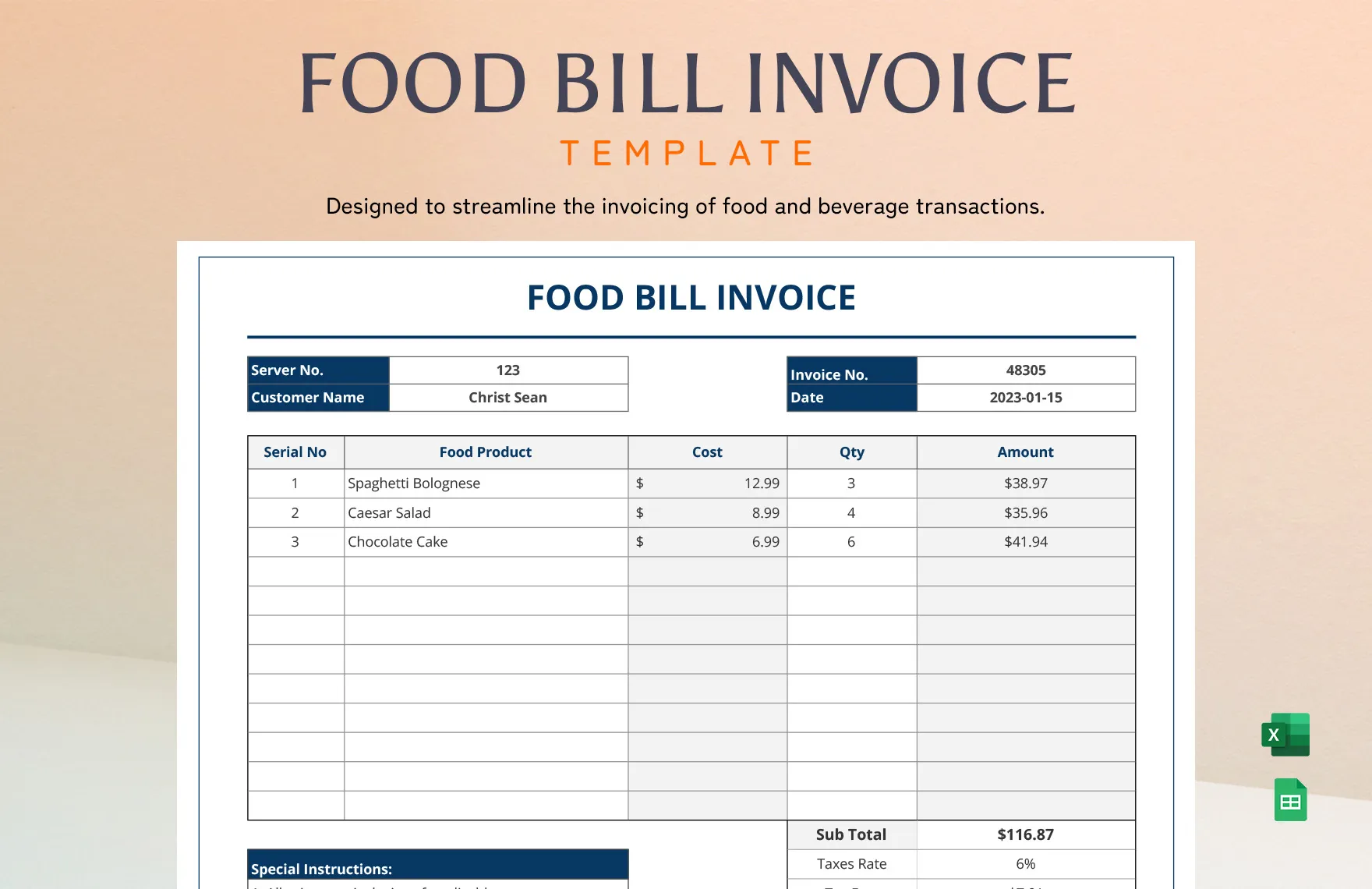
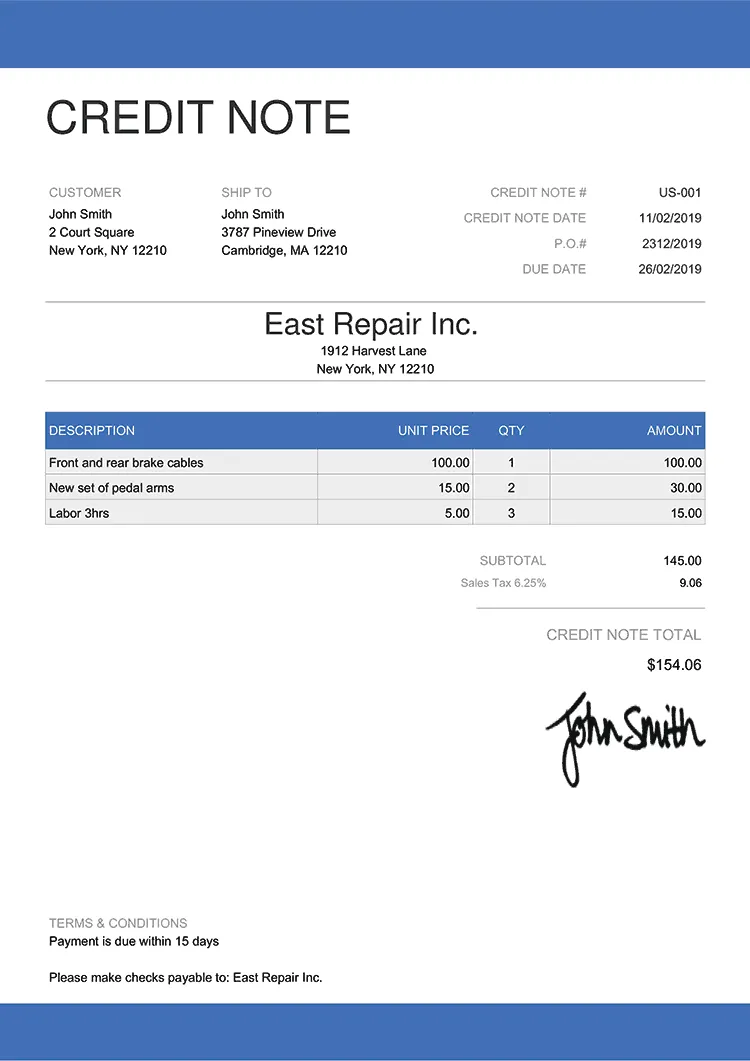
To be truly effective, a credit card payment invoice template needs to capture all relevant information. It’s not just about listing the amount due; it’s about providing a comprehensive snapshot of the transaction. By including these specific details, you create a robust record that serves multiple purposes, from accounting to customer service.
- Business Name and Contact Information: Your official details, including address, phone, and email.
- Client Name and Contact Information: The paying customer’s full details.
- Invoice Number and Date: Unique identifier for tracking and the date the invoice was issued.
- Description of Services/Products: A clear breakdown of what was provided and its cost.
- Total Amount Due: The full cost before any payments.
- Amount Paid by Credit Card: The specific portion of the total paid via credit card.
- Credit Card Transaction Details: Essential information like the last four digits of the card, the authorization code, and the exact date and time of the credit card transaction.
- Payment Gateway or Processor Used: Identifying the system (e.g., Stripe, PayPal, Square).
- Remaining Balance: If the credit card payment was a partial payment, clearly state what is still owed.
- Payment Terms and Due Date: For any outstanding balances.
- Signature Lines: Optional, but can add an extra layer of formality for certain transactions.
By diligently including these elements, your credit card payment invoice template becomes a powerful financial document. It acts as a receipt, a record, and a reference point, all in one. Such thoroughness not only protects your business but also gives your clients a clear understanding of their payments.
Capturing specific transaction details like authorization codes and the last four digits of the card used is particularly important. These pieces of information are critical for fraud prevention, chargeback disputes, and ensuring that funds were correctly allocated and processed. Without them, verifying a specific credit card payment can become a time-consuming and frustrating exercise.
Ultimately, a well-designed template simplifies your entire financial workflow. It helps you maintain accurate books, streamline reconciliation processes, and minimize the chances of errors or misunderstandings. This proactive approach to financial documentation is a hallmark of a well-run business.
Tips for Customizing and Maximizing Your Invoice Template
Creating a functional credit card payment invoice template is just the first step; customizing it to reflect your brand and integrate seamlessly into your operations is where its true power lies. Think of your template not just as a financial form, but as an extension of your business identity. A well-designed template can reinforce your brand image while fulfilling its primary purpose of documenting payments.
When customizing, consider incorporating your company logo, preferred brand colors, and consistent fonts. This makes the invoice instantly recognizable and adds a touch of professionalism. You can use widely available software like Microsoft Word, Google Docs, or dedicated invoicing tools to design and store your template. Many accounting software solutions also offer robust customization options for their built-in templates, often specifically including fields for credit card transaction details.
Beyond aesthetics, ensure your template is user-friendly for both your team and your clients. The layout should be clean, with important information easily scannable. Clearly label all fields, especially those requiring credit card-specific data, to prevent mistakes during data entry. Regularly review your template to make sure it still meets your business’s evolving needs and complies with any relevant financial regulations.
Using a consistent credit card payment invoice template across all your transactions significantly improves your cash flow management and overall financial oversight. It provides a standardized method for recording every dollar coming in, ensuring that nothing is missed and that your accounts are always up-to-date. This consistency is invaluable for financial reporting and planning.
Moreover, having a structured template simplifies the training process for new staff members responsible for invoicing and payment processing. Everyone follows the same procedure, reducing errors and increasing efficiency. This investment in a well-crafted template truly pays dividends in the long run by fostering accuracy and professionalism.
Implementing a clear and detailed credit card payment invoice template is an invaluable strategy for any business. It doesn’t just simplify administrative tasks; it elevates your financial management practices, offering unparalleled clarity, professionalism, and security. By standardizing how you document these crucial transactions, you build a stronger foundation for your business’s financial health.
Embracing a tailored invoicing solution helps you maintain meticulous records, resolve disputes with ease, and foster greater trust with your clients. It’s a proactive step towards greater efficiency and peace of mind, allowing you to focus more on growing your business and less on the complexities of payment tracking.