As a dedicated bookkeeper, you spend your days ensuring your clients’ finances are perfectly aligned, their records are impeccable, and their financial health is robust. You are the silent hero behind many successful businesses, providing essential services that keep the cogs turning smoothly. However, after all that meticulous work, the final step in your own financial process—invoicing—can sometimes feel like an afterthought, or worse, a chore that eats into your valuable time.
Imagine a world where your invoices are as polished and professional as the services you provide. A world where clients understand exactly what they’re paying for, payment terms are clear, and your brand shines through every financial interaction. This isn’t just wishful thinking; it’s a reality that can be achieved with the right tools, specifically a well-designed and efficient invoice template tailored for your bookkeeping operations.
This article will guide you through understanding why a specialized invoice template is crucial for your bookkeeping services, what key components it should include, and how it can streamline your billing process, ultimately contributing to your business’s overall success and professional image.
Why a Specialized Invoice Template Matters for Bookkeepers
Your bookkeeping services are unique. Unlike selling a product off a shelf, you provide ongoing, often complex, financial management, which might include anything from daily transaction recording and bank reconciliations to payroll processing, tax preparation support, and financial reporting. A generic invoice simply won’t cut it when it comes to accurately reflecting the breadth and depth of value you deliver. A specialized template allows you to clearly itemize these diverse services, ensuring transparency for your clients and professional representation of your work.
Moreover, a professionally designed invoice reinforces your brand identity and expertise. In the financial sector, trust and credibility are paramount. A sloppy, inconsistent, or hard-to-read invoice can inadvertently undermine the meticulous work you’ve done. Conversely, a clean, well-structured invoice with your branding not only looks polished but also communicates that you pay attention to every detail, from the smallest ledger entry to the final bill. It’s a subtle yet powerful statement about your professionalism.
Beyond aesthetics, a good template ensures legal and financial compliance. Depending on your region and the nature of your services, there might be specific information required on an invoice for tax purposes or record keeping. This could include your business’s tax identification number, specific service dates, and clear payment terms. A pre-formatted template helps you consistently include all necessary information, reducing the risk of errors, delays, or disputes, and ensuring you meet all your legal obligations.
Efficiency is another massive benefit. Manually creating each invoice from scratch or using an unstructured format is incredibly time-consuming and prone to errors. A robust invoice template for bookkeeping services allows you to quickly input client-specific details, service descriptions, and charges. This automation frees up your time to focus on what you do best—managing your clients’ books—rather than getting bogged down in administrative tasks. It also ensures consistency across all your invoices, making it easier for you and your clients to track payments and services.
Finally, consider the client experience. A clear, easy-to-understand invoice reduces client queries and speeds up payment. When clients can quickly grasp what they are being billed for, they are more likely to pay on time. A template designed for bookkeeping services can clearly break down hours, rates, project fees, and any reimbursable expenses, leaving no room for ambiguity and fostering a positive client relationship built on transparency and trust.
Key Elements of an Effective Bookkeeping Invoice
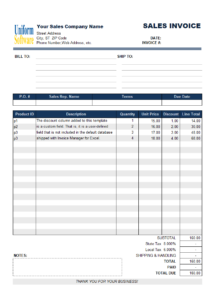
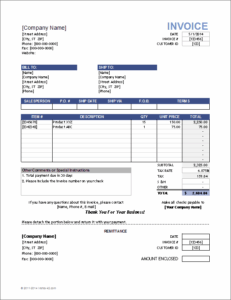
- Your company details, including name, address, phone number, email, and logo.
- Client details, such as their business name, address, and contact person.
- A unique invoice number for easy tracking and reference.
- The date the invoice was issued and the payment due date.
- A detailed breakdown of services performed, including clear descriptions, dates services were rendered, and whether they are hourly rates, fixed fees, or project-based charges.
- The quantity of hours or units, and the corresponding rate per hour or unit.
- A subtotal of all services rendered.
- Any applicable taxes, clearly itemized.
- The total amount due.
- Accepted payment methods and clear payment instructions.
- Your specific payment terms, including any late payment policies.
- A polite thank you note to acknowledge their business.
Streamlining Your Billing Process with the Right Template
Choosing or creating the right invoice template for bookkeeping services is more than just picking a design; it’s about optimizing your entire billing workflow. A well-structured template integrates seamlessly into your business operations, making the transition from service delivery to payment request smooth and professional. It acts as a standardized document that guides you through the necessary steps for each client, ensuring nothing is missed and every invoice maintains a consistent level of quality.
Customization is key to making a template truly work for your bookkeeping business. While a basic template provides a solid foundation, you’ll want to adapt it to reflect your specific service offerings, pricing structures, and brand identity. Perhaps you offer tiered service packages, or specific discounts for long-term clients; your template should be flexible enough to accommodate these variations without requiring extensive manual adjustments each time. This ability to tailor the template ensures it remains relevant and efficient, no matter the client or the service provided.
The format of your invoice template also plays a significant role in streamlining the process. Digital templates, often in formats like PDF, Word, or Excel, offer immense advantages over traditional paper invoices. They can be easily created, sent via email, and stored electronically for quick retrieval and record-keeping. Digital invoices also tend to be more environmentally friendly and can significantly reduce administrative overhead by eliminating printing and mailing costs. Modern software often provides built-in templates, making it even simpler to manage and send professional invoices.
Ultimately, your choice of an invoice template for bookkeeping services directly impacts your cash flow and client satisfaction. A template that is easy to populate, clear for the client to read, and consistent in its presentation reduces the friction points in the billing cycle. It accelerates payments by providing all necessary information upfront and prevents misunderstandings that can lead to delayed settlements. By investing time in setting up an effective invoice template, you are investing in the financial health and operational efficiency of your own bookkeeping business.
Adopting a robust and professional invoice template for your bookkeeping services is a critical step towards enhancing your business’s efficiency, professionalism, and profitability. It ensures you present a polished image to your clients, accurately represent the value of your work, and maintain a clear, consistent billing process that supports timely payments. By paying attention to the details of your invoicing, you reinforce the very values of accuracy and organization that define your service.
Embrace the power of a well-crafted invoice to transform your billing from a routine task into a strategic asset. Select a template that reflects the quality of your bookkeeping services, customize it to fit your unique business model, and watch as it contributes to a smoother operation, happier clients, and a more secure financial future for your firm.