Navigating the world of freelance artistry brings immense creative freedom, yet it also comes with the practicalities of running a small business. One of the most crucial aspects of this business side is ensuring you get paid accurately and on time for your incredible work. It is not just about creating beautiful art; it is also about managing your finances professionally, and that starts with a clear, well-structured invoice.
Many artists, when they first start out, might feel overwhelmed by the administrative tasks, often seeing them as a distraction from their true passion. However, embracing tools that streamline these processes can actually free up more time for creation. An effective invoicing system is not just a formality; it is a vital communication tool that informs your clients exactly what they are paying for and when.
This is where a specialized invoice template tailored for creative professionals truly shines. It transforms a potentially awkward conversation about money into a smooth, professional transaction. By utilizing a template specifically designed with an artist’s needs in mind, you project an image of competence and care, ensuring that every project culminates in a satisfying and remunerative exchange for both you and your client.
Why A Specialized Invoice Template Matters For Artists
Freelance artists operate in a unique economic landscape. Unlike product sales that might have fixed prices, artistic services often involve complex deliverables, usage rights, revisions, and project-specific timelines. A generic invoice form simply cannot capture these nuances effectively. Imagine trying to itemize a custom mural commission or a series of digital illustrations for a client using a basic template designed for selling widgets; it just would not make sense.
A specialized invoice template understands that your work is more than just a lump sum; it is a detailed breakdown of your time, skill, and creative output. It allows you to clearly articulate the value you provide, from initial concept sketches and multiple revision rounds to the final high-resolution files or original physical artworks. This level of detail protects both you and your client, preventing misunderstandings and ensuring transparency. It also makes it easier to track income streams that might include licensing fees separate from the creation fee.
Furthermore, a professional invoice enhances your brand image. When a client receives a clear, organized, and perhaps even aesthetically pleasing invoice, it reinforces their perception of you as a serious and reliable professional, not just a hobbyist. This professionalism can lead to repeat business and valuable referrals, building your reputation as a dependable freelance artist. It also simplifies your end of year accounting, as all the necessary information is consistently organized.
Key Elements Your Artist Invoice Should Include
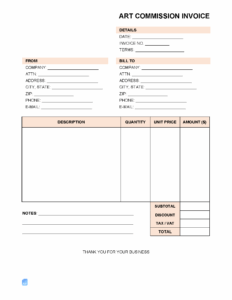
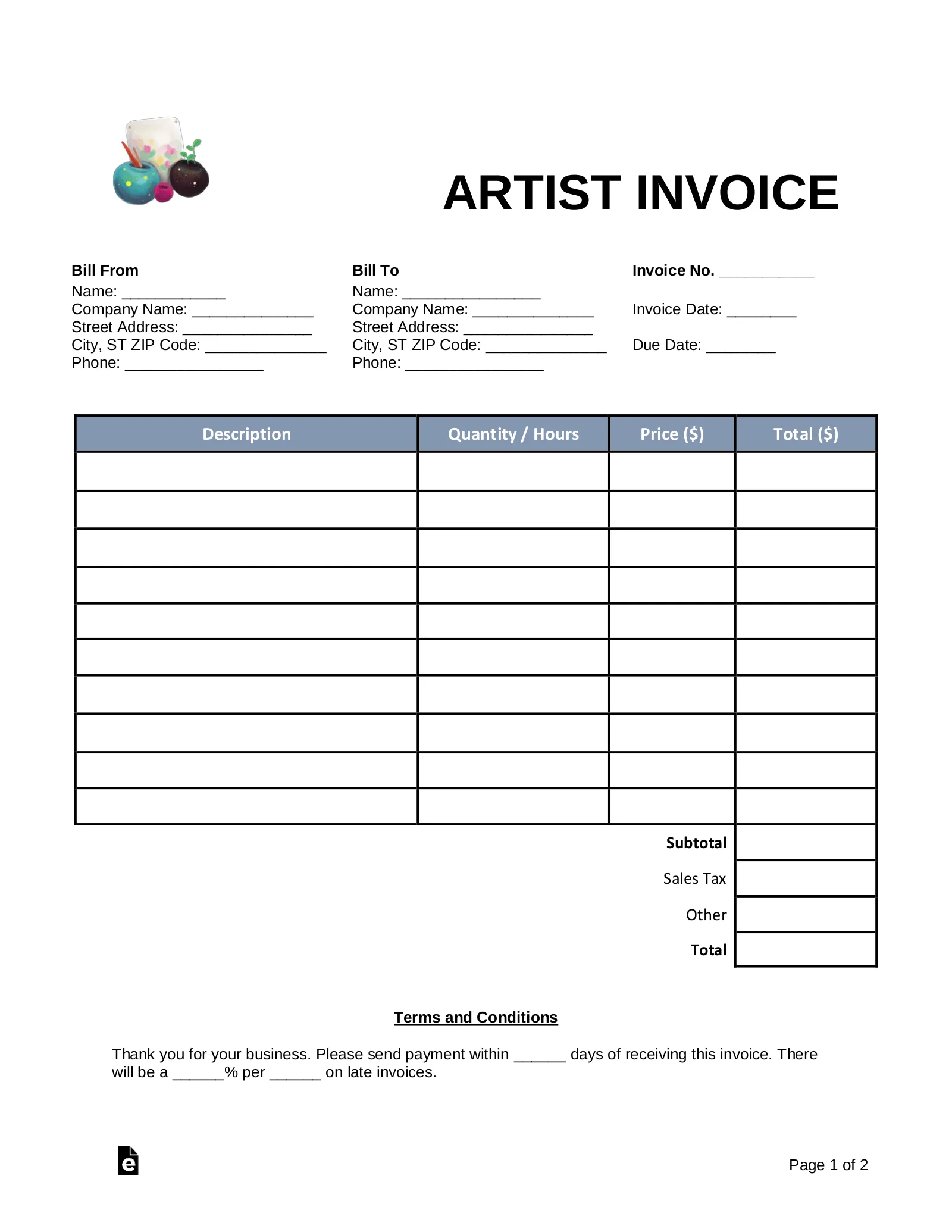
- Your full name or business name and contact information, including email, phone, and website.
- The client’s full name or company name and contact details.
- A unique invoice number for easy tracking and reference.
- The date the invoice was issued and the due date for payment.
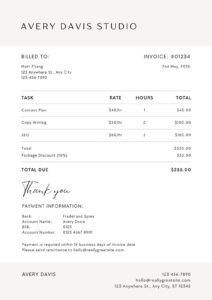
- A clear and detailed description of the art or service provided, including quantities, rates, and individual totals.
- Specifics regarding usage rights or licensing terms if applicable, clarifying how the client can use the artwork.
- Payment terms, accepted payment methods, and any policies regarding late fees or interest.
- The total amount due, clearly displayed.
Including these elements in an invoice template for freelance artist ensures that every piece of information vital for payment and record-keeping is present. It removes ambiguity and provides a concrete record of the transaction. Think of it as a mini-contract for your financial exchange, detailing the parameters of the business relationship in a way that is easy to understand for everyone involved.
Moreover, having a consistent structure for your invoices means less mental load for you. Instead of recreating documents from scratch for each client, you simply fill in the project-specific details. This efficiency is invaluable, allowing you to focus more energy on your art and less on the paperwork. It is an investment in your financial organization and your peace of mind.
Tips For Crafting The Perfect Invoice
Creating an invoice might seem straightforward, but a few thoughtful considerations can elevate yours from merely functional to truly excellent. Firstly, consider the aesthetic. As an artist, your visual brand is paramount. Integrate your logo, a subtle watermark, or even a complementary color scheme into your invoice template. This personal touch reinforces your brand identity and makes the document instantly recognizable as yours, adding a layer of professionalism that clients will appreciate.
Clarity is king. Ensure that all line items are easy to understand, avoiding jargon where possible. If you charge for revisions, clearly state the number of revisions included in the initial fee and what the cost for additional rounds will be. Be explicit about deliverables; for instance, specify file formats for digital art or shipping details for physical pieces. The more transparent you are upfront, the fewer questions or disputes will arise later.
Always proofread meticulously before sending. A simple typo in a figure or a misspelled client name can undermine your professional image. Double-check all calculations, dates, and contact information. Consider having a colleague or friend quickly review it too, as a fresh pair of eyes can often catch errors you might overlook after spending time on the document. This attention to detail reflects well on your overall work ethic.
Finally, think about your payment terms and make them crystal clear. What payment methods do you accept—bank transfer, PayPal, credit card? What is your grace period before late fees apply? Do you require an upfront deposit? Including all this information directly on your invoice template for freelance artist preemptively answers common client questions and sets expectations. It removes any guesswork for the client and helps you manage your cash flow more effectively, ensuring you get paid promptly for your amazing creations.
Ensuring your hard work translates into timely payment is fundamental to a sustainable freelance career. A well-designed and consistently used invoice template for freelance artist is more than just a financial document; it is a cornerstone of your professional practice. It communicates value, builds trust, and streamlines the payment process, allowing you to focus on what you do best: creating incredible art.
By adopting a structured approach to your invoicing, you empower yourself with better financial control and project a polished, reliable image to your clients. This small but significant administrative step can have a profound positive impact on your business’s health and your ability to pursue your artistic passions without financial distractions.