Managing the financial aspects of a non-profit organization can often feel like a juggling act. Unlike for-profit businesses, your focus isn’t on maximizing revenue, but rather on fulfilling a crucial mission and ensuring every dollar contributes to your cause. Yet, even without the profit motive, the need for clear, accurate, and professional financial documentation remains paramount. This is where a well-structured invoicing system becomes invaluable, not just for tracking funds but for maintaining transparency and accountability to your stakeholders.
Whether you’re billing for services rendered, membership fees, event registrations, or even acknowledging specific contributions that require a formal record, having an organized approach simplifies these tasks significantly. It helps you keep track of incoming funds, ensures that recipients have a proper record for their own purposes, and streamlines your internal bookkeeping processes. This administrative efficiency allows your team to dedicate more time and resources to the core activities that define your organization’s impact.
Understanding the unique requirements of the non-profit sector, from grant reporting to donor communications, is key to selecting the right tools for your administrative needs. A specialized approach to financial documentation, tailored to your specific operational context, can make all the difference. This includes utilizing resources like a non profit organization invoice template, which can be adapted to reflect your organization’s brand and specific financial recording obligations, ensuring professionalism and clarity in all your transactions.
Why a Specialized Invoice Template Matters for Non-Profits
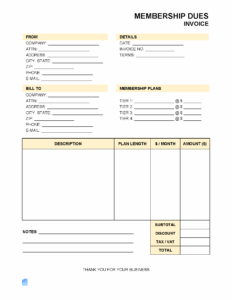
Even though non-profits operate differently from traditional businesses, they still engage in various financial transactions that necessitate proper documentation. You might be invoicing for services provided through a government contract, charging for participation in a workshop, collecting membership dues, or even issuing formal receipts for certain types of donations that require a detailed breakdown for the donor’s records. In all these scenarios, a clear and professional invoice is more than just a piece of paper; it’s a vital communication tool and a legal record.
The stakes are particularly high for non-profits when it comes to financial transparency and accountability. Donors, grant-makers, and regulatory bodies expect meticulous record-keeping. A generic invoice template designed for a commercial entity might not adequately capture the nuances of your non-profit’s operations, potentially leading to confusion or gaps in your financial reporting. A template specifically designed with non-profits in mind helps address these unique considerations, providing a framework that aligns with your mission-driven objectives.
Imagine the ease of having a standardized document that reflects your organization’s tax-exempt status, clearly outlines the purpose of the funds received, and provides all necessary contact information for follow-up. This level of detail not only builds trust with your recipients but also simplifies your accounting process, making audits less daunting and financial reporting more straightforward. It ensures that every transaction, regardless of its nature, is handled with the professionalism and clarity that your organization deserves.
Moreover, utilizing a consistent template across all your invoicing needs projects an image of professionalism and reliability. It reinforces your organization’s credibility and commitment to good governance, which is crucial for attracting and retaining support. By standardizing your invoicing process, you reduce the likelihood of errors, save valuable staff time, and ensure that all financial communications are on-brand and compliant with relevant regulations.
Essential Components of a Non-Profit Invoice
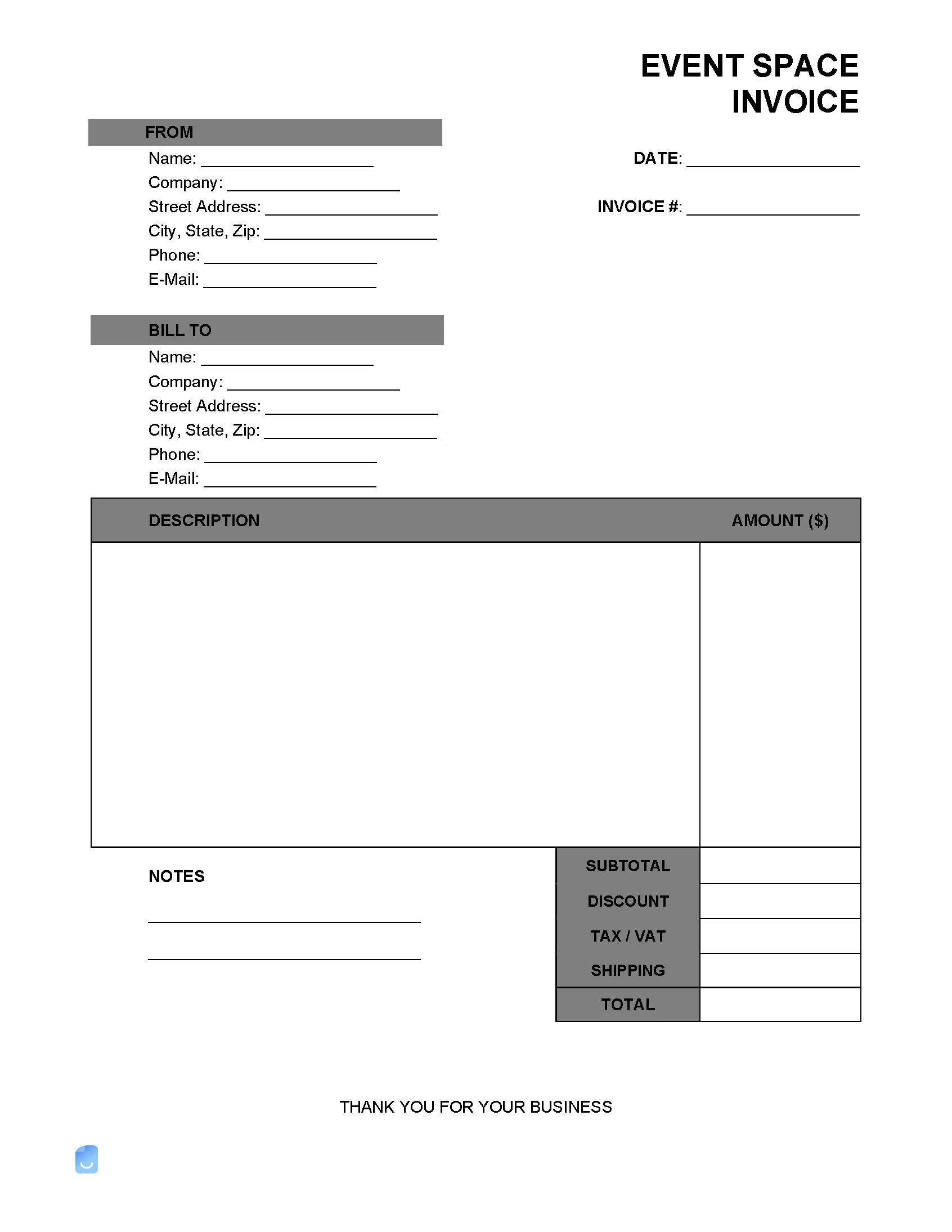
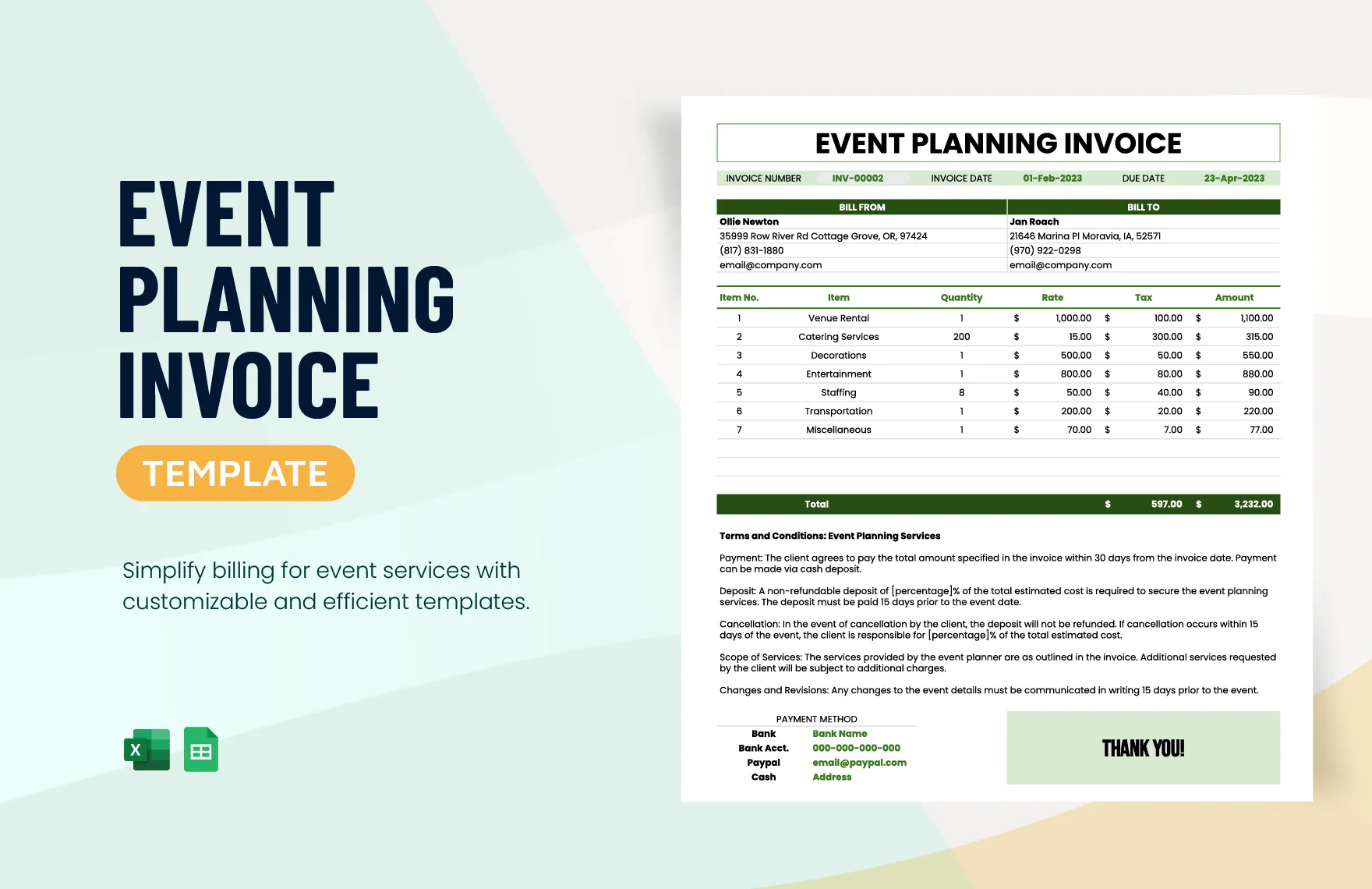
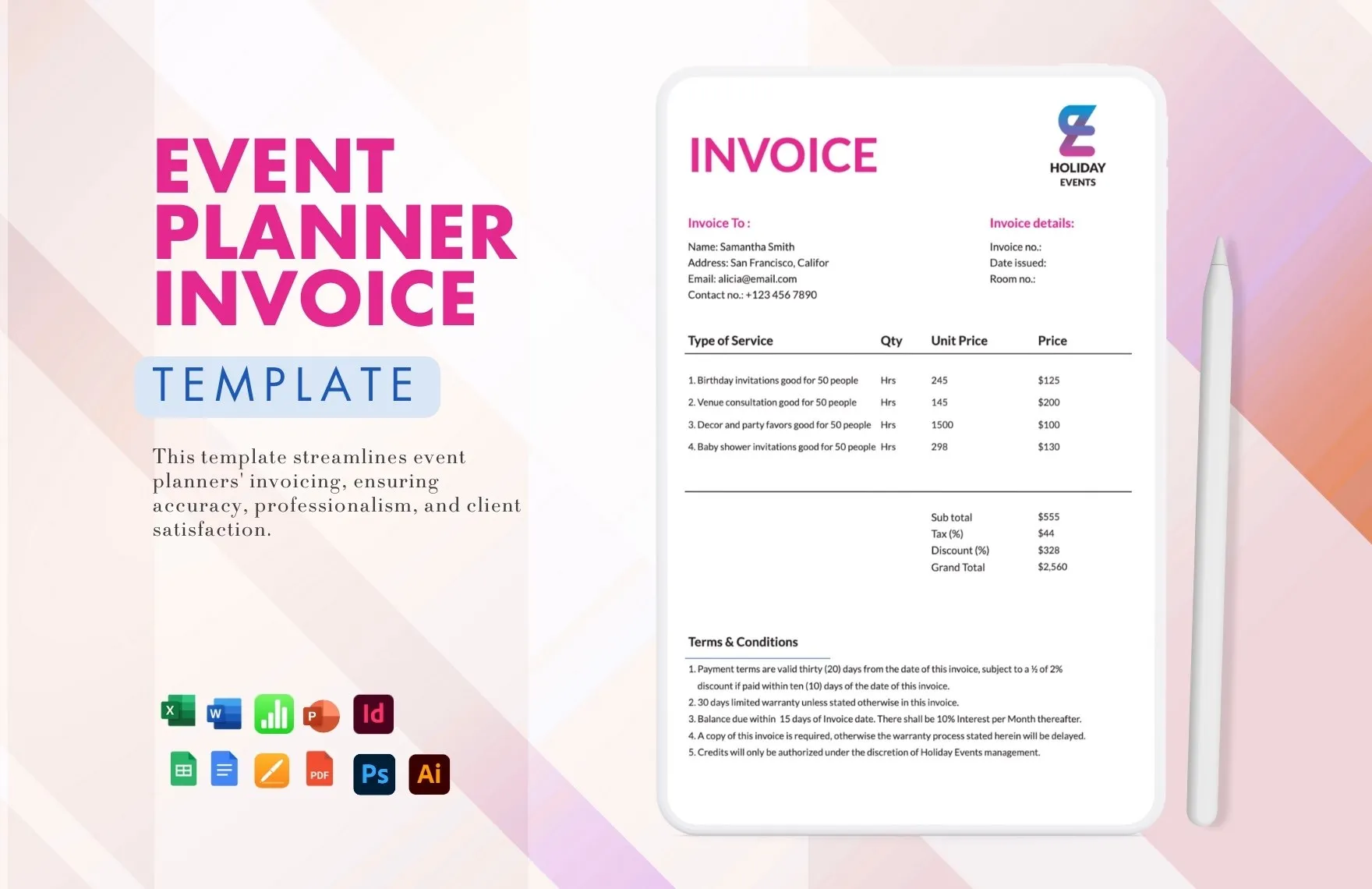
To ensure your invoices are effective and comprehensive, they should ideally include several key pieces of information:
- Your Organization’s Details: Full legal name, address, contact information, and logo.
- Recipient’s Information: Full name and address of the individual or organization being invoiced.
- Invoice Number and Date: A unique identifier for tracking and the date the invoice was issued.
- Service/Item Description: Clear and concise details of the services provided, membership type, event registration, or other items being billed, including quantities and unit prices.
- Amount Due: The total amount requested for payment.
- Payment Terms and Due Date: Clearly state when payment is expected and acceptable payment methods.
- Tax-Exempt Status Note: A disclaimer or reference to your organization’s 501(c)(3) or equivalent tax-exempt status, where applicable.
- Donor Acknowledgment Information: If applicable, a section for notes regarding the tax deductibility of certain portions of the payment, particularly for contributions or event tickets.
- Contact Person for Inquiries: A specific name and contact method for any questions regarding the invoice.
Incorporating these elements into your invoice helps ensure that all parties have a clear understanding of the transaction. It aids in proper record-keeping for both your non-profit and the recipient, and it supports your organization’s commitment to transparency and fiscal responsibility. This attention to detail can prevent misunderstandings and facilitate smoother financial operations.
Finding and Customizing Your non profit organization invoice template
The good news is that you don’t need to start from scratch when creating an invoicing system for your non-profit. Many resources are available, from free online templates to features within accounting software specifically designed for non-profits. The key is to find a template that offers a solid foundation and can be easily customized to fit the specific needs and branding of your organization. This adaptability ensures that while you benefit from a pre-designed structure, the final document still feels authentically yours.
Customization is not just about adding your logo; it’s about tailoring the document to reflect the unique aspects of your operations. Perhaps you need specific fields for grant codes, project numbers, or donor recognition levels. A flexible template allows you to integrate these elements seamlessly, ensuring that your invoices serve multiple purposes beyond just requesting payment. Think about the information that is consistently relevant to your stakeholders and ensure your template can accommodate it.
Consider these customization points for your non profit organization invoice template:
- Branding: Incorporate your non-profit’s logo, colors, and fonts to maintain a consistent brand identity.
- Mission Statement or Slogan: Sometimes, including a small line about your mission can reinforce your purpose.
- Specific Payment Instructions: Detail your preferred payment methods, whether it’s direct deposit, online payment portals, or checks, along with any relevant account information.
- Tax-Deductibility Language: Add clear, legally compliant language regarding the tax-deductible portion of any payments, especially for events or services where a portion might be considered a donation.
- Thank You Message: A brief, appreciative note can go a long way in fostering goodwill with your supporters and clients.
Whether you opt for a simple document created in a word processor or a more robust solution integrated with your accounting software, the objective remains the same: to create a professional, clear, and efficient invoicing process. Many non-profits find success with easily editable formats like Microsoft Word, Google Docs, or Excel, which offer a great balance of simplicity and customization. For those with higher transaction volumes, dedicated invoicing or accounting software may provide automated features that save even more time.
Choosing and customizing the right invoicing solution for your non-profit organization is a strategic decision that contributes significantly to your overall operational efficiency and financial health. A well-designed and consistently used invoice template simplifies administrative tasks, enhances transparency, and upholds the professional image of your organization. By investing a little time upfront to set up an effective system, you empower your team to focus more on your core mission and less on the complexities of financial documentation. This proactive approach to financial management is not just about compliance; it is about building a foundation of trust and clarity that supports your valuable work in the community.