Navigating the competitive world of film festivals can feel like a daunting task, especially when it comes to presenting your project in the best possible light. Beyond the film itself, one of the most crucial elements of your submission package is often overlooked: the cover letter. This is your first chance to make a personal connection with programmers, and having a well-crafted film festival cover letter template at hand can make all the difference. It sets the tone, introduces your work, and, most importantly, entices the festival team to press play.
Think of your cover letter not just as a formality, but as an storytelling opportunity. It is where you weave a compelling narrative about your film, highlighting its unique voice and explaining why it belongs within the specific context of that particular festival. A stellar cover letter shows you’ve done your homework, demonstrating a genuine interest in the festival’s mission and programming, rather than just sending out generic submissions.
In an ocean of submissions, standing out is paramount. A thoughtful, articulate, and engaging cover letter can elevate your film from a mere entry to a must-watch. It provides context, expresses passion, and ultimately serves as a persuasive argument for why your cinematic vision deserves a coveted spot in their lineup.
Crafting Your Winning Film Festival Cover Letter
Creating a cover letter that truly shines requires a blend of professionalism, passion, and strategic thinking. It’s not just about what you say, but how you say it, ensuring your voice comes through while adhering to industry standards. The goal is to be memorable without being overly informal or self-important.
Start by personalizing every single letter. A generic “To Whom It May Concern” immediately signals a lack of effort. Research the festival’s programming team or submission coordinator if possible, and address your letter directly to them. This simple step shows dedication and respect, making a positive first impression before they even read about your film.
Next, clearly state your purpose. Introduce your film right away: its title, genre, runtime, and a captivating logline. This concise introduction should pique their interest and provide immediate context. Avoid lengthy synopses; save those for your press kit or film description. The cover letter is about the essence, the hook, and the connection.
Articulate why your film is a perfect fit for *this specific festival*. Have you researched their past selections? Do they have a particular focus on certain genres, themes, or geographic regions that align with your work? Referencing specific aspects of their programming demonstrates that you’ve done your homework and believe your film genuinely contributes to their artistic vision. This targeted approach is far more effective than a blanket statement.
It’s equally important to know what to avoid. Steer clear of overly dramatic language, excessive flattery, or demanding tones. Your cover letter should be confident, respectful, and articulate, not desperate or arrogant. Also, resist the urge to include spoilers or technical details that are better suited for other parts of your submission package. Keep it professional, concise, and focused on the narrative appeal.
Your tone should be confident, respectful, and passionate. Let your enthusiasm for your film and the festival shine through, but always maintain a professional demeanor. This balance is key to leaving a lasting positive impression. Remember, the cover letter is often read by busy individuals, so clarity and conciseness are your allies.
Finally, always proofread your letter multiple times. A single typo or grammatical error can undermine your professionalism and attention to detail. Consider having a trusted friend or colleague review it as well, as a fresh pair of eyes can often catch mistakes you might have overlooked. This final check ensures your cover letter is polished and ready to represent your hard work effectively.
The Opening Hook
The first paragraph is your chance to grab their attention. Introduce your film’s title and genre, and if possible, a brief, intriguing statement about its core theme or emotional impact. Make them want to know more.
Showcasing Your Film’s Essence
This section should briefly highlight what makes your film unique. What message does it convey? What kind of audience is it for? Keep it concise and impactful, focusing on its creative and thematic strengths.
Tailoring to the Festival
Explain why your film specifically aligns with *this* festival. Mention their mission, their past programming, or a specific track that resonates with your work. This shows genuine interest and research.
The Professional Close
Reiterate your excitement for their consideration and express your gratitude. Provide clear instructions for accessing your screener and other materials, and thank them for their time.
Essential Elements for Your Template
Having a reliable film festival cover letter template can truly streamline your submission process, allowing you to quickly adapt a strong framework to each specific festival. While every letter should be personalized, a solid template ensures you don’t miss any critical information or structural elements. It’s about efficiency without sacrificing quality.
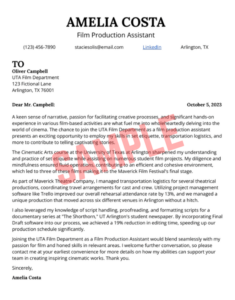
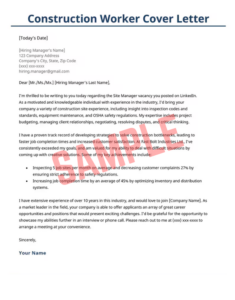
Your template should begin with your contact information, the date, and the festival’s contact information (or a general address if a specific person isn’t known). This basic formatting ensures professionalism. The body of the letter should then flow logically, typically starting with an introduction of your film and its suitability, moving to why it fits the specific festival, and concluding with a professional closing.
Think of your template as a blueprint that you fill in with unique details for each submission. It provides the structure, and you provide the personal touch. This balance is what makes a template incredibly valuable, helping you maintain consistency in quality while showcasing your individuality.
* Your complete contact information (name, email, phone number, website or IMDb link).
* Date of submission.
* Festival contact person or department (e.g., “Submissions Team,” “Programming Department”).
* A clear, concise opening statement introducing your film by title, genre, and runtime.
* A compelling logline for your film.
* A brief, impactful statement about your film’s unique selling points or thematic core.
* Specific reasons why your film is a strong match for this particular festival (e.g., aligns with their mission, specific programming tracks, or past selections).
* Confirmation that your screener link and any other required materials are included or linked.
* A polite call to action or expression of anticipation (e.g., “I look forward to your consideration”).
* A professional closing (e.g., “Sincerely,” “Best regards”).
* Your typed name.
Your cover letter is often the first interaction a festival programmer has with your project, making it an invaluable tool for shaping their perception. It’s your opportunity to tell a mini-story about your film and yourself, building anticipation and providing essential context before they even watch a single frame.
By investing time in crafting a thoughtful, personalized, and engaging cover letter, you significantly enhance your film’s chances of standing out in a crowded field. It demonstrates not just the quality of your film, but also your professionalism and genuine commitment to finding the right home for your work. Embrace this narrative opportunity and make every word count towards securing that coveted festival acceptance.