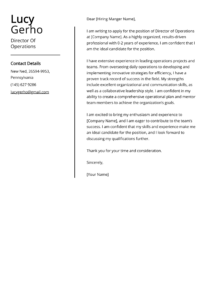
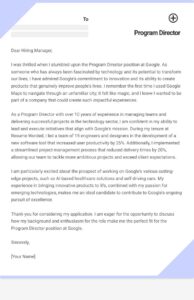
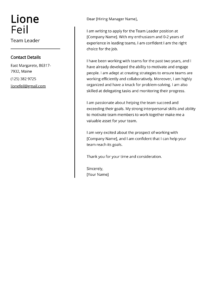
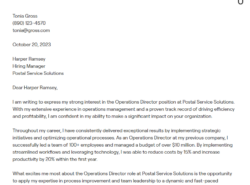
Landing a top-tier leadership role requires more than just an impressive resume. You need a narrative that connects your past achievements with the future success of the organization. Using a high-quality executive director cover letter template can give you a solid foundation to build that story. It helps you organize your thoughts so you can focus on communicating your unique value proposition to the board of directors or the search committee in a way that feels authentic and professional.
When you are applying for an executive position, the stakes are incredibly high. You are not just looking for a job; you are looking to lead a mission. Your cover letter is the first real chance you have to show off your voice, your strategic mindset, and your ability to inspire others. It serves as the bridge between your technical qualifications and your personal leadership philosophy, giving the reader a glimpse into how you operate as a person and a professional.
Most candidates make the mistake of simply repeating what is already on their resume. However, at the executive level, decision-makers want to know about your vision and your character. They want to see how you handle pressure and how you navigate complex organizational challenges. A well-crafted letter tells them exactly why you are the person they can trust with their legacy and their future growth, making it much more than just a formality.
Personalizing Your Approach to Executive Leadership
A template is a great starting point, but it should never be the final product you send out. Every nonprofit or corporation has a unique culture and a specific set of challenges that need addressing. Your job is to research the organization deeply before you even write the first word. Look at their recent annual reports, their strategic plans, and any news articles about their current trajectory. This preparation allows you to write from a place of knowledge rather than generalities.
Once you have a handle on where they are going, you can start framing your experience as the solution to their specific problems. If they are struggling with fundraising, your letter should lean heavily into your development successes. If they are facing an internal cultural shift, focus on your change management skills and how you have led teams through transitions. This level of customization shows that you are already thinking like their next leader and that you are invested in their specific needs.
Focusing on Strategic Vision
Executive directors are expected to see the big picture at all times. While a manager might focus on daily tasks and departmental goals, a director focuses on the three-year or five-year horizon. In your letter, talk about how you have successfully navigated long-term goals in the past. Use language that suggests you are a forward-thinking strategist who understands market trends and community needs while keeping the mission at the center of every decision.
You should also touch upon your ability to collaborate with a board of directors. This is a unique dynamic that is specific to the executive level. Mentioning your experience in reporting to a board or helping to recruit new board members can set you apart from candidates who have only managed internal teams. It shows you understand the governance side of the role and that you know how to build the necessary consensus to move an organization forward.
Quantifying Your Impact
Numbers often speak louder than words in the executive world. Instead of simply saying you increased revenue, you might state that you grew the budget by forty percent over three years through diversified income streams. This gives the hiring committee a concrete idea of what you are capable of delivering. It transforms vague claims into undeniable proof of your effectiveness as a leader and provides a sense of scale to your previous accomplishments.
Do not forget to mention the human element as well. Leadership is ultimately about people. Mention how you have mentored staff or improved employee retention rates during your tenure. A leader who can balance financial health with a thriving workplace culture is a rare and valuable find. Showing this balance in your letter proves you have the emotional intelligence required for the top spot and that you value the people who do the work.
Essential Components of a Winning Executive Letter
The structure of your letter should be clean, professional, and easy to navigate. Since you are applying for a high-level role, the tone needs to be authoritative yet accessible. Start with a strong opening that captures attention immediately. Avoid generic phrases like I am writing to apply and instead opt for something that highlights your excitement for their specific mission and how your background aligns with their current objectives.
The body paragraphs should flow logically from your past successes to your future plans for the organization. This is where you can use an executive director cover letter template to ensure you are hitting all the right notes without leaving anything important out. Keep your paragraphs concise but packed with value. Every sentence should serve a purpose in convincing the reader that you are the right fit for the culture and the challenges ahead.
Here are a few key elements that every executive-level cover letter should include to make a lasting impression:
Taking the time to craft a narrative that resonates with a search committee is one of the best investments you can make in your career. It shows that you are not just looking for any executive role, but that you are specifically interested in leading their organization. This level of intentionality is exactly what boards look for when they are selecting someone to take the reins and guide their organization into the next chapter.
As you move forward in your application process, remember that your confidence is just as important as your credentials. Trust in the experience you have built over the years and let that expertise shine through in your writing. By combining a professional framework with your personal story of leadership, you will create a compelling case for why you are the best choice for the position and set yourself up for a successful interview process.