Landing a role as a case manager requires more than just a strong resume; it demands a compelling cover letter that showcases your unique skills and passion. Crafting the perfect application can feel daunting, but having a solid cover letter template for case manager roles can simplify the process immensely and help you articulate why you’re the ideal candidate. This document is your chance to make a powerful first impression, highlighting what makes you stand out from the crowd.
Think of your cover letter as a personalized pitch. While your resume lists your qualifications and experience, the cover letter tells the story behind those bullet points. It’s where you connect your past achievements to the specific needs of the position you’re applying for, demonstrating your understanding of the role and the organization’s mission.
In the competitive field of case management, where empathy, organizational skills, and strong communication are paramount, a well-written cover letter can be the deciding factor that gets your application noticed. Let’s explore how you can create an impactful letter that opens doors to exciting new career opportunities.
Crafting a Standout Cover Letter for Your Case Manager Role
When you’re applying for a case manager position, your cover letter isn’t just a formality; it’s a strategic tool designed to capture the hiring manager’s attention and persuade them that you’re worth an interview. It allows you to elaborate on experiences that might only be briefly mentioned on your resume, providing context and demonstrating your suitability for the specific demands of the role. A generic letter won’t cut it; personalization and a clear understanding of the job description are key.
Understanding the Core Purpose of a Cover Letter
The primary goal of your cover letter is to bridge the gap between your resume and the job posting. It’s your opportunity to show your personality, demonstrate your written communication skills, and explain *why* you are interested in *this particular* case manager role and *this particular* organization. It’s not just a summary of your resume but an expansion, highlighting achievements and skills most relevant to the role’s requirements, such as client advocacy, resource coordination, and crisis intervention.
Key Elements to Include
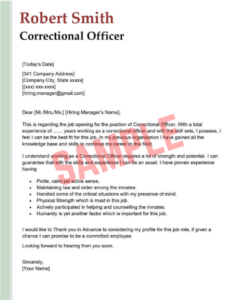
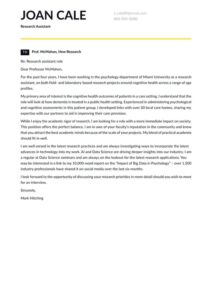
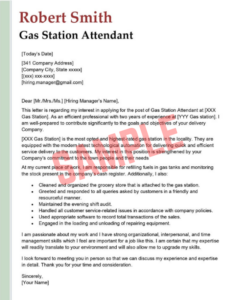
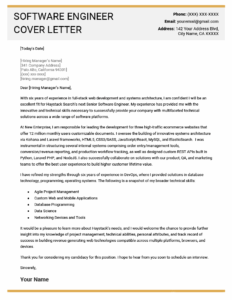
A professional cover letter generally follows a clear structure, ensuring all necessary information is present and easy to read. Start with your contact information, followed by the date, and then the employer’s contact information. Always try to address the letter to a specific hiring manager if you can find their name; this shows initiative and attention to detail.
The opening paragraph should immediately grab the reader’s attention. State the position you’re applying for and where you saw the advertisement. More importantly, briefly articulate your enthusiasm for the role and why you are a strong fit. This isn’t the place for modesty; confidently state your interest and capacity.
The body paragraphs are where you truly shine. This is where you connect your experience, skills, and qualifications directly to the requirements outlined in the job description. Instead of simply listing duties, use action verbs and provide specific examples that illustrate your impact. For instance, rather than saying “Managed client caseload,” you might say, “Successfully managed a diverse caseload of 30+ clients, achieving a 95% client satisfaction rate through tailored support plans and diligent resource coordination.” Highlight your skills in assessment, planning, advocacy, and monitoring, using quantifiable achievements whenever possible.
Focus on how your experience aligns with the organization’s mission or values. If the organization emphasizes community outreach, share an experience where you successfully engaged with community resources. If they prioritize a specific client demographic, mention your experience and sensitivity in working with that group. This shows you’ve done your homework and are genuinely invested in their work.
Finally, the closing paragraph should reiterate your interest in the position and express confidence in your ability to contribute significantly to the team. Include a clear call to action, politely requesting an interview to discuss your qualifications further. Thank the hiring manager for their time and consideration. Conclude with a professional closing, such as “Sincerely” or “Regards,” followed by your typed name.
Tips for Personalizing Your Case Manager Cover Letter
Even with a well-structured framework, the true power of your cover letter lies in its personalization. A generic application is often quickly dismissed. Taking the time to tailor each letter to the specific job and organization you’re applying to demonstrates your dedication and genuine interest.
One of the most effective ways to personalize your letter is to thoroughly research the organization. Understand their mission, values, recent projects, and the specific population they serve. Weave this knowledge into your letter, explaining how your personal values and professional goals align with theirs. For example, if you’re applying to a non-profit focused on homelessness, mention your passion for supporting vulnerable populations and any relevant volunteer work or initiatives you’ve been involved in.
Show, don’t just tell. Instead of merely stating you have “excellent communication skills,” provide an anecdote or specific instance where your communication skills led to a positive outcome in a case management scenario. This could be resolving a conflict between a client and a service provider or effectively communicating complex information to a client and their family. Using a concrete example makes your claim far more credible and memorable.
Dos and Don’ts for an Effective Case Manager Cover Letter
- Do research the organization thoroughly and mention specific details in your letter.
- Do highlight transferable skills relevant to case management, even if your previous roles weren’t explicitly titled “case manager.”
- Do use specific examples and quantifiable achievements to back up your claims.
- Don’t just repeat your resume; use the cover letter to add depth and context.
- Don’t use generic phrases or buzzwords without explaining their relevance to your experience.
- Do proofread meticulously for any grammatical errors or typos.
Remember, your cover letter is your advocate before you even step into an interview. It’s a chance to convey your passion for helping others, your organizational prowess, and your ability to navigate complex situations with grace and efficiency. Investing time in crafting a thoughtful, personalized letter can significantly boost your chances of landing that coveted interview.
A well-crafted cover letter, like a finely tuned instrument, can play a crucial role in orchestrating your career success. By following these guidelines and injecting your unique professional voice, you’re not just sending an application; you’re presenting a compelling narrative of your capabilities and commitment to the field of case management. Your effort in personalizing this document will undoubtedly reflect your dedication and set you apart from other candidates.