Searching for a fresh way to stand out in a crowded job market can feel overwhelming, but sometimes a simple design shift is all you need to get noticed. Using a two column cover letter template is a fantastic strategy to make your application look modern, organized, and professional without needing advanced design skills. By dividing your document, you can balance your contact information, skills, and main narrative in a way that is incredibly easy for recruiters to scan quickly.
Many candidates stick to the traditional, single-column format, which can often look like a wall of text. By opting for a layout that uses distinct sections, you are immediately signaling that you value clarity and efficiency. This approach helps ensure that the most important details of your background are presented in a clean, readable fashion that keeps the hiring manager engaged from top to bottom.
Why the Two Column Design Works for Modern Job Applications
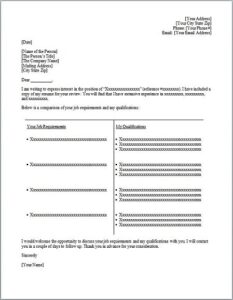
The primary advantage of this layout is how it effectively manages space. Instead of having a narrow column that runs the entire length of the page, a two column cover letter template allows you to dedicate one side to your core achievements and narrative, while the other side functions as a sidebar for essential data points. This creates a balanced visual experience that guides the reader’s eye naturally across the page rather than forcing them to track long, dense sentences.
In this sidebar area, you can easily include details that might otherwise clutter your main paragraphs. These typically include:
- Your contact information and links to your professional portfolio or LinkedIn profile
- A concise summary of your core competencies or technical skills
- Key certifications or relevant educational achievements
- A list of software or tools you have mastered
Beyond aesthetics, this design forces you to be more intentional with your writing. When space is clearly defined by columns, you are less likely to ramble or include unnecessary fluff. It encourages you to get straight to the point, which recruiters appreciate immensely. In the competitive world of job hunting, the ability to communicate your value proposition clearly and succinctly is a major advantage.
Finally, this style demonstrates that you have a sense of design and layout, which are often sought-after soft skills in almost every industry. It shows that you care about how your work is presented and that you are willing to go the extra mile to make things easier for your potential employer to digest. A well-constructed two-column document stands out in a stack of standard letters, simply because it looks deliberate and polished.
Best Practices for Customizing Your Layout
When you start customizing your chosen template, keep the balance in mind. You do not want one side to feel significantly heavier or longer than the other, as this can make the document look lopsided. Use the narrow column for supporting facts and the wider column for your main argument, which should be your personal story and how you can specifically add value to the company you are applying to. This separation allows the narrative to breathe while keeping the technical details accessible.
Pay close attention to your fonts and whitespace. Because you are working with a more complex layout, it is important to keep the typography clean and professional. Stick to standard, easy-to-read fonts and make sure there is enough white space between the columns and around your text blocks. If the layout feels too cramped, increase your margins or decrease the font size slightly, but never compromise on readability for the sake of fitting more information in.
Lastly, always save your final document as a PDF before submitting it. This is a critical step because it ensures that your columns remain exactly where you put them, regardless of what computer or software the hiring manager uses to open the file. A broken layout is a quick way to lose professional credibility, so taking a few extra seconds to ensure everything is locked into place in a PDF format is well worth the effort.
Ultimately, the way you present your information is just as important as the information itself. By moving away from generic, outdated formats, you take a proactive step in showing that you are a candidate who understands the importance of communication and presentation. This simple change can make a surprising difference in how you are perceived by recruiters and hiring managers alike.
Take the time to refine your content and ensure that the layout serves your message rather than distracting from it. Once you find a balance that feels right for your industry and personal brand, you will have a versatile tool that you can easily adapt for every job application. Good luck with your job search and remember that a thoughtful design is a powerful ally in landing your next big opportunity.