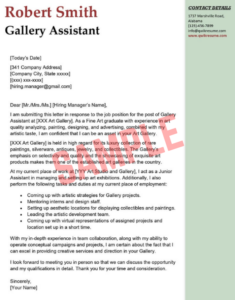
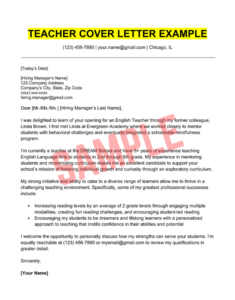
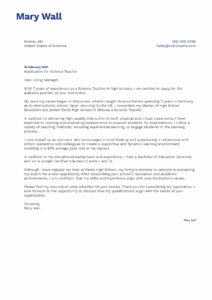
Landing a job as an educator in the creative field requires more than just a list of your past gallery shows or classroom experiences. You need to demonstrate a genuine passion for guiding students toward their own creative breakthroughs while proving that you can manage a classroom effectively. If you are struggling to find the right words to express your teaching philosophy, using an art teacher cover letter template can be a lifesaver. It provides a solid foundation so you can spend less time staring at a blank screen and more time focusing on what truly makes you a unique candidate for the role.
The goal of your application is to show potential schools that you are both a skilled artist and a competent pedagogue. By starting with a structured format, you ensure that all the essential elements of a professional letter are included, such as your specific approach to curriculum development and your ability to foster an inclusive environment. Whether you are a seasoned professional with decades of experience or a fresh graduate eager to lead your first classroom, a reliable guide helps you organize your thoughts into a compelling narrative that catches the eye of busy hiring managers.
Why A Structured Approach Matters In Education
Applying for teaching positions is a competitive process where school administrators often scan dozens of applications in a single sitting. When you utilize an art teacher cover letter template, you are essentially creating a clear roadmap for your prospective employer. This structure allows you to highlight your accomplishments, such as integrating art history with hands-on projects or managing studio budgets, without getting lost in unnecessary details. It ensures that your professionalism shines through from the very first sentence to your final sign-off.
Beyond simple organization, using a template allows you to tailor your message to the specific mission of the school. Perhaps the institution emphasizes digital media, or maybe they prioritize traditional studio techniques like sculpture and oil painting. By keeping your layout consistent, you have the mental space to customize the core content to match the specific needs of the job description. This shows that you are not just sending out mass applications but are genuinely interested in becoming part of their specific academic community.
There are several key components that every effective letter should contain to make a lasting impression. When you are putting yours together, consider including these specific elements:
- A clear statement of why you want to teach at this specific school.
- An example of how you have helped a student overcome a creative block.
- A mention of your familiarity with safety protocols and classroom management.
- A brief explanation of how you connect your curriculum to core academic standards.
Ultimately, your letter is an extension of your teaching style. If your document is cluttered and difficult to read, it may signal that your classroom organization might be equally chaotic. Conversely, a clean, well-drafted letter suggests that you are prepared, organized, and ready to take on the responsibilities of a classroom teacher. By leaning on a proven format, you communicate your professionalism before you even step foot into an interview room.
Making Your Experience Stand Out To Administrators
Once you have your basic framework established, the next step is infusing the document with your unique personality. Administrators are not just looking for someone who knows how to mix colors or use a kiln; they are looking for someone who can inspire students to think critically and express themselves. Talk about your teaching philosophy. Do you believe in a student-centered approach where they choose their own mediums, or do you prefer a structured, skill-based curriculum? Sharing your perspective shows that you have put deep thought into your craft as an educator.
Do not be afraid to share anecdotes about your time in the classroom. Numbers and certifications are important, but stories are what stick in the minds of the hiring committee. Mention a time you turned a disinterested student into an avid participant or a successful art show you organized that involved the whole community. These small glimpses into your teaching style provide tangible proof of your impact, making it easier for the administration to visualize you working with their students.
Finally, make sure you double-check your grammar and proofread for clarity. Even the most creative artist needs to demonstrate strong communication skills. A polished letter shows that you respect the institution and take the job application process seriously. Once you feel confident in your draft, read it aloud to ensure it sounds like a human being wrote it, rather than a robot following a script. This authentic touch will help you stand out and bring you one step closer to securing your dream job in an art department.
As you prepare to submit your application, remember that your cover letter is your first opportunity to build a connection with your future colleagues. Keep your tone enthusiastic and professional, and always tie your creative background back to the needs of the classroom. With the right foundation and a personal touch, you will be well on your way to earning an interview and starting your next chapter as an inspiring educator.
Take the time to refine your document until it reflects the best version of your professional self. By focusing on how you can benefit the students and the school, you shift the narrative from what you want to what you can contribute. Good luck with your job hunt, and remember that your passion for art is a powerful asset that will resonate with the right school community.