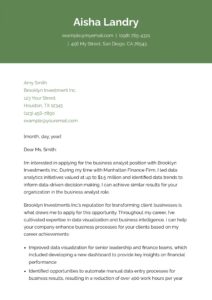
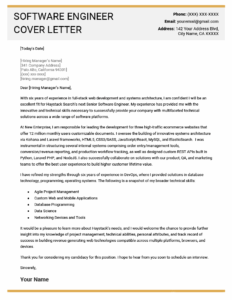
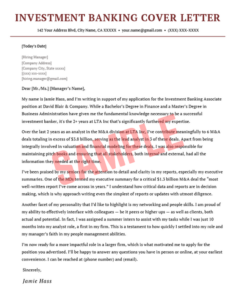
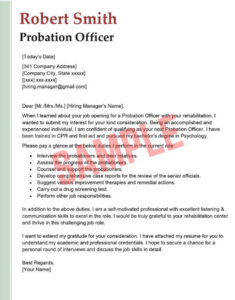
Landing a job as a financial analyst is no small feat. You are competing against candidates with sharp analytical skills and impressive technical backgrounds. While your resume highlights your experience with data and financial modeling, your cover letter is where you actually show your personality and explain why you are the perfect fit for the team. Finding the right words can be tough, which is why having a solid financial analyst cover letter template can make all the difference in getting that interview request.
Think of your cover letter as your personal pitch to the hiring manager. It is not just a summary of what they can already read on your resume. Instead, it is an opportunity to connect the dots between your past accomplishments and the specific needs of the company you are applying to. By using a well-structured financial analyst cover letter template, you can ensure that you are hitting all the right notes without spending hours staring at a blank screen.
How To Customize Your Cover Letter For Maximum Impact
When you start using a template, the biggest mistake is keeping it too generic. Hiring managers can spot a copy-paste job from a mile away, and it usually ends up in the reject pile. Instead, take your template and treat it as a framework. Start by researching the company and identifying their biggest pain points. If they are expanding into a new market, highlight your experience with financial forecasting and risk assessment. If they are focusing on cost reduction, showcase your track record of optimizing budgets and improving bottom-line performance.
Your opening paragraph needs to be punchy and direct. Avoid starting with the standard I am writing to apply for the position of. That is boring and forgettable. Try starting with a specific achievement or a shared passion for the industry. Mention why you admire the firm and how your unique blend of quantitative skills and strategic thinking can help them solve their current challenges. You want to pique their interest within the first two sentences.
In the body of your letter, focus on the results you have delivered rather than just listing your job responsibilities. Use concrete numbers whenever possible. Instead of saying you managed a budget, say you managed a budget of five million dollars and reduced operational costs by fifteen percent through data-driven forecasting. Numbers stand out in the finance world, so make them the star of your narrative. Remember to tailor these points to align with the job description you are targeting.
Lastly, keep the tone professional but conversational. You want to sound like a person, not a robot designed to output spreadsheets. Briefly mention your soft skills, such as how you communicate complex financial data to non-finance stakeholders or how you lead team meetings. These human elements, combined with your technical prowess, will make you a much more attractive candidate than someone who simply relies on their credentials.
- Research the company culture to align your tone accordingly.
- Quantify your achievements with real financial data.
- Keep your paragraphs short and easy to read.
- End with a strong call to action requesting a meeting.
Common Mistakes To Avoid During Your Job Search
One of the most frequent errors applicants make is focusing too much on what they want from the company rather than what they can offer. Avoid talking about how this role will help your career or how much you want to work at this specific prestigious firm. Instead, flip the script and talk about the value you bring to them. When you use your financial analyst cover letter template, ensure every sentence is centered around solving their problems or increasing their profitability.
Another issue is ignoring the formatting and the proofreading process. In finance, attention to detail is non-negotiable. If you submit a cover letter with a typo, a wrong company name, or inconsistent font usage, the hiring manager will assume your work on complex financial models will be just as sloppy. Always double check your document for errors and save it as a clean PDF file to ensure the formatting stays exactly as you intended when they open it on their end.
Finally, do not be afraid to follow up. Many candidates send their application into the void and wait weeks for a response. After a reasonable period, usually one week, a polite and professional follow up email can keep you at the top of their minds. It shows you are proactive and genuinely interested in the opportunity. Persistence, when balanced with respect for their time, often sets successful candidates apart from the rest of the pack.
Writing a great cover letter is about balance. It is about taking the structure provided by a reliable tool and infusing it with your own professional journey and unique achievements. By staying focused on how you can contribute to the team and being diligent with your attention to detail, you will drastically increase your chances of moving to the next stage of the hiring process.
Take your time, tailor your content for every single application, and be confident in the value you have to offer. The financial sector is always looking for smart, capable analysts who can communicate clearly and act decisively. If you put in the work to craft a compelling narrative, you will find that the right doors begin to open for your career path.