Landing your dream executive assistant role often hinges on more than just a stellar resume; it’s about making a powerful first impression with a compelling cover letter. If you’re searching for a reliable cover letter template for executive assistant positions, you’ve come to the right place. In today’s competitive job market, a generic application simply won’t cut it. Your cover letter is your chance to stand out from the crowd and demonstrate why you’re the ideal candidate.
Think of your cover letter as your personal elevator pitch, a golden opportunity to expand on your resume’s bullet points and tell a more complete story. It’s where you articulate your passion for the role, showcase your understanding of the company’s needs, and highlight the unique skills you bring to the table that an executive will value. This isn’t just about administrative tasks; it’s about strategic support and seamless operation.
We’re here to guide you through crafting a cover letter that not only grabs attention but also persuades hiring managers that you possess the indispensable qualities of a top-tier executive assistant. We’ll break down what makes an effective letter and provide insights to help you tailor your application for maximum impact.
Crafting Your Standout Executive Assistant Cover Letter
In the fast-paced world of executive support, a cover letter isn’t just a formality—it’s your initial demonstration of professionalism, attention to detail, and proactive communication. For an executive assistant, these traits are non-negotiable. Your cover letter needs to communicate that you understand the demanding nature of the role and are ready to step in and make an immediate impact, anticipating needs before they even arise.
The most effective cover letters are deeply personalized. Generic letters often miss the mark because they fail to connect the applicant’s unique abilities with the specific requirements and culture of the company they’re applying to. Before you even begin to write, immerse yourself in research about the executive, the team, and the organization. What are their recent achievements? What are their stated values? How can you frame your experience to directly address their potential challenges and goals?
One crucial element is to clearly articulate your understanding of the executive assistant role beyond basic administrative duties. Today’s executive assistants are strategic partners, problem-solvers, and gatekeepers. They manage complex schedules, coordinate high-stakes meetings, handle confidential information with utmost discretion, and often act as a crucial liaison between various departments and external stakeholders. Your letter should reflect this sophisticated understanding.
Highlighting Key EA Skills and Achievements
When you’re writing, focus on showcasing the specific skills that are paramount for an executive assistant. Think about your organizational prowess, your ability to multitask effortlessly, your exceptional communication skills both written and verbal, and your mastery of various software and technologies. Perhaps you’ve streamlined a reporting process, managed complex international travel logistics, or coordinated large-scale events that significantly contributed to company goals.
Don’t shy away from quantifying your achievements whenever possible. Instead of simply saying “managed calendars,” elaborate with “expertly managed complex calendars and travel for three C-suite executives, ensuring seamless transitions between meetings and international engagements.” Or, instead of “improved office efficiency,” consider “implemented new digital filing system that reduced document retrieval time by 20%.” Numbers and concrete examples paint a much clearer picture of your capabilities.
Your cover letter is also the perfect place to subtly convey your soft skills, like emotional intelligence, adaptability, discretion, and proactive problem-solving. These are often the true differentiators for an executive assistant. Share a brief anecdote or an instance where you demonstrated these qualities under pressure, reinforcing that you’re not just capable, but also a thoughtful and reliable team member. The closing of your letter should reiterate your enthusiasm and clearly state your desire for an interview to discuss how your skills and experience can directly benefit their executive and the organization.
Essential Components of an Effective EA Cover Letter
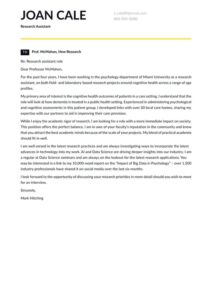
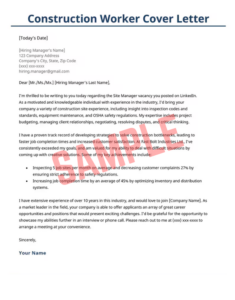
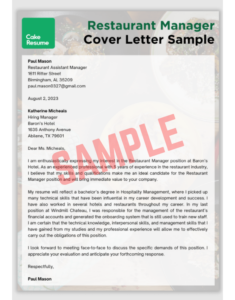
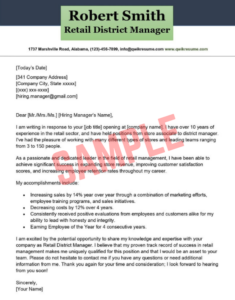
A well-structured cover letter speaks volumes about your organizational skills even before they read a single sentence of your professional experience. Adhering to a standard, professional format ensures clarity and makes your application easy to navigate for the hiring manager. Every element, from your contact information to your closing, contributes to the overall impression you make.
Start with your contact information clearly listed at the top, followed by the date, and then the hiring manager’s contact details if you have them. Always strive to address your letter to a specific person rather than a generic “Hiring Manager” — this shows initiative and personalized effort. The opening paragraph is your hook; it should immediately state the position you’re applying for and briefly explain why you’re interested and why you’re a great fit, perhaps mentioning where you saw the job posting.
The body of your letter is where you connect your skills and experiences directly to the job description, using concrete examples. This is where a good cover letter template for executive assistant roles can provide structure, ensuring you hit all the necessary points without rambling. Conclude with a paragraph that reiterates your enthusiasm for the position and expresses your eagerness to discuss your qualifications further in an interview.
Here are the key components you should include:
* Your Contact Information (Name, Address, Phone, Email)
* Date
* Hiring Manager’s Contact Information (Name, Title, Company, Address)
* Professional Salutation (e.g., “Dear Mr. [Last Name]”)
* Opening Paragraph (Introduce yourself and the role you’re applying for)
* Body Paragraphs (Highlight relevant skills, experience, and accomplishments tailored to the job description)
* Closing Paragraph (Reiterate interest, call to action for an interview)
* Professional Closing (e.g., “Sincerely,” or “Regards,”)
* Your Typed Name
A strong cover letter doesn’t just list qualifications; it weaves a narrative that demonstrates your potential as an indispensable asset to an executive and their team. It’s your chance to convey your personality, your work ethic, and your genuine enthusiasm for the demanding yet rewarding world of executive support. Take the time to perfect it, and you’ll significantly increase your chances of securing that interview.