It can feel pretty daunting trying to land your first job or internship when you’re fresh out of school or still studying, especially when every job description seems to ask for a list of experiences you simply don’t have yet. But here’s a little secret: a well-crafted cover letter can be your strongest ally. That’s why we’re going to dive into a reliable cover letter template for students with no experience that will help you stand out from the crowd and impress potential employers.
Many students skip the cover letter altogether, thinking it’s not worth the effort, especially when they feel they have nothing substantial to write about. However, a cover letter isn’t just a rehash of your resume. It’s your chance to tell your story, explain your motivations, and show your personality in a way a bullet-point list never could. It’s your personal pitch.
Think of it as your opportunity to bridge the gap between your academic achievements and the professional world. In this article, we’ll break down why a cover letter is so crucial, what elements you should focus on when you lack direct work experience, and then provide you with a practical, easy-to-use template to get you started on your job application journey.
Why Your Cover Letter is Your Secret Weapon
When you’re a student with no professional experience, it’s easy to feel like you’re at a disadvantage. You might be wondering, “What could I possibly say that would make an employer pick me over someone with a few internships under their belt?” The truth is, your cover letter isn’t just about listing past jobs; it’s about showcasing potential, passion, and your unique set of skills, even if they’re not work-related yet.
A compelling cover letter demonstrates several key things to a hiring manager. Firstly, it shows your communication skills. Can you articulate your thoughts clearly and persuasively? Can you write in a professional yet engaging manner? These are fundamental skills sought after in almost any role, and your cover letter is the perfect medium to display them right from the start.
Highlighting Transferable Skills
You might not have “professional experience,” but you definitely have experience. Think about group projects in school, volunteer work, sports teams, leadership roles in clubs, or even part-time gigs like babysitting or tutoring. All these activities help you develop valuable transferable skills such as teamwork, problem-solving, time management, organization, and communication. Your cover letter is where you connect these experiences to the job requirements, even if indirectly.
Showing Your Enthusiasm and Drive
Employers are often looking for candidates who are eager to learn and grow within their company. When you don’t have a lengthy work history, your enthusiasm and proactive attitude can be incredibly compelling. Use your cover letter to express genuine interest in the role and the company. Research their mission, values, and recent projects, and weave that knowledge into your letter to show you’ve done your homework and are genuinely excited about the possibility of joining their team.
Demonstrating Your Potential
While you can’t brag about years of experience, you can absolutely talk about your potential. What are your aspirations? How do you see yourself contributing to the company’s goals, even as a newcomer? Discuss your academic achievements, relevant coursework, or any personal projects that demonstrate your ability to grasp new concepts quickly, take initiative, and contribute positively. This forward-looking perspective can often be more appealing than a candidate who only focuses on past accomplishments.
Ultimately, your cover letter transforms you from just another resume in a stack into a memorable individual with a story, aspirations, and a clear understanding of why you want *this specific job* at *this specific company*. It’s your chance to make a strong first impression and convince them that despite your lack of direct experience, you are a valuable prospective team member.
Your Go-To Cover Letter Template for Students With No Experience
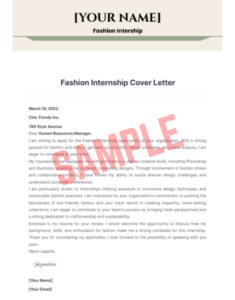
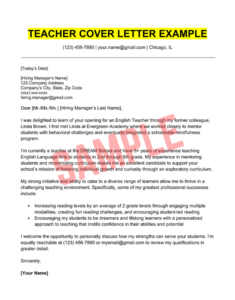
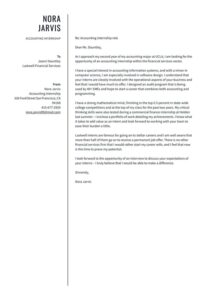
Now that we understand the power of a well-written cover letter, let’s break down how to actually put one together. Remember, this isn’t about fabricating experience, but rather strategically highlighting your strengths, potential, and genuine interest. This cover letter template for students with no experience will guide you through each essential section, ensuring you cover all your bases effectively.
The key is to tailor each letter to the specific job and company you’re applying to. Avoid generic phrases and always customize your introduction and body paragraphs with details relevant to that particular opportunity. Think of this template as a flexible framework rather than a rigid script.
Here’s a breakdown of the crucial elements your cover letter should include:
- Your Contact Information and the Date: Start with your name, address, phone number, email, and LinkedIn profile link. Follow with the date.
- Employer’s Contact Information: If known, include the hiring manager’s name, title, company name, and address. If not, address it generally (e.g., “Hiring Manager” or “Recruitment Team”).
- Salutation: A professional greeting. Try to find a specific name; otherwise, “Dear Hiring Manager” works.
- Opening Paragraph: State the position you’re applying for and where you heard about it. Express your enthusiasm and briefly mention why you’re interested, even without direct experience.
- Body Paragraphs (1-2): This is where you connect your academic achievements, volunteer work, extracurricular activities, or personal projects to the job requirements. Focus on transferable skills. Use specific examples. For instance, “As a project leader for my capstone course, I honed my organizational and teamwork skills by coordinating a team of five…”
- Second Body Paragraph (Optional but recommended): Show you’ve researched the company. Mention something specific about their work, values, or recent achievements that resonates with you. Explain how your passion aligns with their mission.
- Closing Paragraph: Reiterate your interest and enthusiasm. Express confidence in your ability to contribute and learn quickly. State your availability for an interview and thank them for their time and consideration.
- Professional Closing: Something like “Sincerely” or “Best regards.”
- Your Typed Name: Followed by your signature if you’re sending a physical letter.
Crafting a compelling cover letter when you’re just starting out might seem like a daunting task, but it’s an incredibly valuable skill that can open doors to exciting opportunities. By focusing on your transferable skills, genuine enthusiasm, and future potential, you can create a document that truly shines and makes a lasting impression. Remember, every professional started somewhere, and your willingness to articulate your value is a significant step towards building your career.
Take the time to personalize each letter, research the company thoroughly, and let your unique personality and drive come through. With a strategic approach and this template as your guide, you’ll be well-equipped to articulate why you’re the ideal candidate, even without a long list of previous job titles. Good luck with your applications!