Embarking on the journey to higher education is an exciting step, and a well-crafted application can make all the difference. One crucial component often overlooked or rushed is the cover letter. This isn’t just a formality; it’s your chance to speak directly to the admissions committee, highlighting your passion and suitability beyond what your transcripts can convey. Using a robust cover letter template for university application can provide the structure you need while allowing your unique personality to shine through.
Think of your cover letter as your personal elevator pitch to your dream university. It’s an opportunity to explain why you are genuinely interested in a particular program, what experiences have shaped your academic aspirations, and how you envision contributing to their campus community. A strong letter can transform your application from just a collection of grades and test scores into a compelling narrative.
Many students feel overwhelmed by the prospect of writing something so important, unsure of where to start or what to include. That’s perfectly normal! The good news is that with a clear understanding of the key elements and a guiding framework, you can construct a letter that truly resonates. Let’s dive into how you can create a standout cover letter that boosts your chances of acceptance.
Crafting Your Winning University Cover Letter
Your university cover letter serves as a personalized introduction, allowing you to elaborate on aspects of your application that might not be evident elsewhere. Unlike a resume, which is a factual summary, the cover letter is where you weave a narrative, demonstrating your enthusiasm, specific skills, and how your aspirations align with the university’s values and the chosen program’s objectives. It’s about making a human connection before they even look at your academic record.
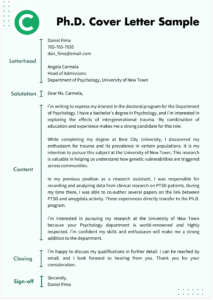
The structure of a strong cover letter is fundamental. It typically begins with your contact information, followed by the date, and then the university’s contact details. Addressing the letter to a specific person, if known, such as the admissions director or a program coordinator, instantly makes your application feel more personal and shows you’ve done your homework. A generic “To Whom It May Concern” is far less impactful.
Starting Strong: Your Introduction
The opening paragraph is your hook. Clearly state the program you are applying for and why you are writing. Briefly mention where you learned about the program and express your genuine interest. This isn’t the place for a long explanation; keep it concise and engaging, setting the tone for the rest of your letter.
Building Your Case: The Body Paragraphs
This is where you delve into the heart of your application. Dedicate one or two paragraphs to highlighting your academic achievements and relevant experiences. Connect these experiences directly to the program you are applying for. For instance, if you’re applying for an engineering degree, talk about a science fair project or a robotics club where you applied problem-solving skills. Don’t just list accomplishments; explain what you learned and how it fueled your desire to pursue this particular field.
Crucially, articulate why you want to attend this specific university and pursue this specific program. Research the university’s faculty, unique courses, research opportunities, or campus culture. Mentioning specific professors whose work aligns with your interests or particular modules that excite you demonstrates a deep level of engagement and commitment, proving you haven’t just sent out a generic application to multiple institutions.
Finally, explain what you believe you can contribute to the university community. Admissions committees aren’t just looking for bright minds; they’re looking for active participants who will enrich campus life. Whether it’s through extracurricular activities, leadership roles, or a unique perspective you bring, illustrate how you will be a valuable addition. This shows you’re not just thinking about what the university can do for you, but also what you can do for them.
Making Your Application Stand Out
Beyond the core content, several factors can elevate your cover letter from good to truly exceptional. One common pitfall is using overly formal or generic language. While professionalism is key, a conversational yet respectful tone can make your letter more memorable and authentic. Let your personality come through naturally, avoiding jargon or clichés that might sound insincere.
Here are some essential elements to consider as you finalize your cover letter:
-
Clarity and Conciseness: Admissions committees read hundreds, if not thousands, of applications. Get straight to the point and avoid unnecessary rambling. Every sentence should serve a purpose.
-
Proofreading: A single typo or grammatical error can detract from your credibility. Read your letter multiple times, and ideally, have someone else review it for errors and clarity. Tools like grammar checkers can help, but a human eye is invaluable.
-
Strong Closing: Reiterate your enthusiasm for the program and the university. Express your gratitude for their time and consideration, and clearly state your anticipation of hearing from them. A professional closing, such as “Sincerely” or “Respectfully,” followed by your full name, is appropriate.
-
Match the Tone: Ensure the tone of your cover letter aligns with the overall culture of the university you are applying to. Some institutions might appreciate a slightly more creative approach, while others prefer strict academic formality. Researching their communication style can provide clues.
Remember, a cover letter template for university application provides a fantastic starting point, but the magic happens when you infuse it with your personal story and specific reasons for choosing that particular institution. Your dedication to crafting a thoughtful letter reflects your commitment to your education.
By carefully constructing your cover letter, you’re not just completing a requirement; you’re seizing a prime opportunity to present yourself in the best possible light. This personal statement, alongside your academic achievements, forms a holistic picture of who you are and why you belong at their institution. Take your time, be authentic, and let your passion for learning shine through.
Your future in higher education awaits, and a compelling cover letter is a powerful tool to help you open those doors. Good luck with your applications!