Running a small business is a whirlwind of activity. You are often the CEO, marketing department, sales team, and sometimes even the janitor. Amidst all these roles, one crucial task often gets overlooked or done haphazardly: invoicing. Sending out professional, clear, and timely invoices is not just about getting paid; it is a direct reflection of your business’s professionalism and attention to detail. Yet, many small business owners grapple with creating an efficient system without adding more to their already stretched budgets.
Imagine a world where your invoicing process is streamlined, presents a polished image to your clients, and does not cost you a dime. This is not a distant dream but a readily available solution for businesses of all sizes. By leveraging readily available resources, you can transform a potentially time-consuming administrative chore into a simple and effective part of your operational flow. It is about empowering your business with tools that make you look good and help you manage your finances smarter.
This article will explore why a well-crafted invoice is indispensable for your small business, the key elements it must contain, and how you can easily access and customize a free small business invoice template to elevate your financial communications without any financial outlay. Get ready to simplify your billing and impress your clients, all while keeping your operational costs down.
Why a Great Invoice Matters for Your Small Business
An invoice is far more than just a request for payment; it is a critical communication tool and a vital touchpoint for your brand. Every time a client receives an invoice from you, it reinforces their perception of your business. A clean, well-organized, and professionally presented invoice speaks volumes about your attention to detail and commitment to quality, reflecting positively on the products or services you provide. Conversely, a sloppy or incomplete invoice can unintentionally signal disorganization and undermine the trust you have worked hard to build.
Think of your invoice as an extension of your branding. It carries your logo, your business name, and often your contact information, serving as a subtle marketing piece that reminds clients of who you are and how to reach you. When clients see a consistent, polished design, it contributes to a feeling of reliability and professionalism, encouraging repeat business and referrals. In today’s competitive landscape, every detail counts in distinguishing your small business from the competition.
Many small businesses make the mistake of treating invoicing as an afterthought, using generic, unbranded documents or even just scribbled notes. This can lead to confusion for the client, delays in payment, and a missed opportunity to reinforce your professional image. An unclear invoice might leave clients wondering what exactly they are paying for, leading to disputes or follow-up questions that consume your valuable time.
Beyond aesthetics, a well-structured invoice provides essential documentation for both your business and your client. It serves as a legal record of the transaction, detailing the services rendered or products sold, the agreed-upon price, and payment terms. This clarity is invaluable for bookkeeping, tax purposes, and resolving any potential disagreements that might arise. It protects both parties by clearly outlining the scope and cost of the work.
By utilizing a dedicated template, you ensure consistency across all your billing. This not only saves you time by avoiding the need to create new documents from scratch but also guarantees that no essential information is ever left out. It streamlines your financial processes, making it easier for you to track payments and for your clients to understand their financial obligations. It is a win-win situation for efficient business operations.
Key Elements of an Effective Invoice
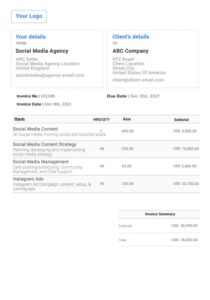
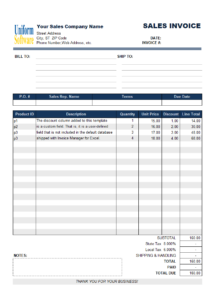
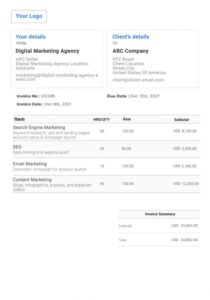
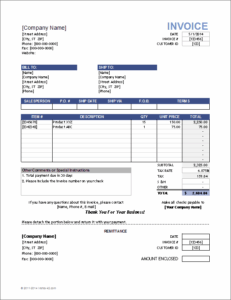
- Your Business Information: Clearly display your business name, address, phone number, and email. Your logo should also be prominently featured.
- Client Details: Include the client’s name or company name, address, and contact person if applicable.
- Invoice Number and Date: Assign a unique invoice number for easy tracking and specify the date the invoice was issued.
- Due Date and Payment Terms: Clearly state when payment is expected (e.g., “Net 30,” “Due upon receipt”) and preferred payment methods (e.g., bank transfer, credit card, PayPal).
- Itemized List of Products or Services: Provide a detailed description of each item or service, including quantity, unit price, and the total cost for that item.
- Subtotal, Taxes, Discounts, and Grand Total: Show the subtotal before any taxes or discounts, then list any applicable sales tax, value-added tax, or discounts, finally presenting the total amount due.
- Payment Instructions: Offer clear instructions on how the client can make their payment, including bank account details if required.
How to Get Your Free Small Business Invoice Template Up and Running
Finding a free small business invoice template is surprisingly easy and offers immediate benefits to your operations. Many resources online provide professional and customizable templates that cater specifically to the needs of small enterprises. These templates are designed to be user-friendly, allowing you to quickly input your business details and service information without needing any specialized design skills or expensive software. The beauty of these templates lies in their accessibility and the significant time savings they offer.
The most common and convenient formats for these templates are typically Microsoft Word, Excel, or Google Docs. Word templates are great for businesses that need more flexibility in text and visual layout, allowing for easy addition of descriptions and branding elements. Excel and Google Sheets templates, on the other hand, often come with built-in formulas, which automatically calculate totals, taxes, and discounts as you enter your itemized data, minimizing the risk of mathematical errors and speeding up the process even further. Choosing the right format depends on your comfort level and the specific features you prioritize.
Once you have selected a template that fits your style, the next step is customization. This is where you truly make the free small business invoice template your own. Upload your business logo, adjust the colors to match your brand palette, and integrate your specific payment terms and conditions. Many templates also allow you to add a personalized message or a thank you note, which can enhance client relationships. This customization ensures that even though the base template is free, the final product feels unique and professionally branded to your business.
After customizing your template, it is a good practice to save it as a PDF before sending it to clients. A PDF format ensures that your invoice looks consistent across different devices and operating systems, preventing any formatting issues. It also makes the document non-editable, adding a layer of security and professionalism. You can then easily send these PDF invoices via email, saving on postage and ensuring prompt delivery. Implementing a consistent naming convention for your invoice files will also help with organization and tracking.
Embracing a free invoice template means you are not only saving money but also streamlining a vital part of your business administration. This efficiency frees up valuable time that you can reallocate to core business activities like serving clients, developing new products, or marketing your services. It removes the friction from the billing process, making it smoother for you and clearer for your clients, ultimately contributing to a healthier cash flow and a more organized financial outlook for your small business.
Adopting a well-designed, readily available invoice template is one of the simplest yet most impactful steps you can take to professionalize your small business operations. It ensures clarity in your financial transactions, reinforces your brand image, and helps maintain a steady cash flow, all without adding to your overhead. This small adjustment can yield significant positive returns in how your business is perceived and how efficiently it runs.
Taking control of your invoicing process with a robust template allows you to present a polished, organized front to all your clients, fostering trust and encouraging prompt payments. By making this smart, free choice, you are investing in the professionalism and long-term success of your venture, paving the way for sustained growth and peace of mind.