Running a business, whether you are a freelancer, a small startup, or an established enterprise, comes with a myriad of responsibilities. Among the most crucial, and sometimes the most overlooked until crunch time, is effective invoicing. Sending out clear, professional invoices isn’t just about getting paid; it’s a fundamental part of maintaining healthy cash flow, staying legally compliant, and presenting a professional image to your clients. But let’s be honest, crafting each invoice from scratch can be a real time-sink, and nobody wants that.
That’s where the magic of a good template comes in. Imagine having a pre-designed, well-structured document that just needs a few personalized details added before it’s ready to go. It simplifies a complex process, ensures consistency, and frees up valuable time you could be spending on growing your business. It’s a lifesaver for busy entrepreneurs and finance teams alike, transforming a potentially tedious task into a streamlined operation.
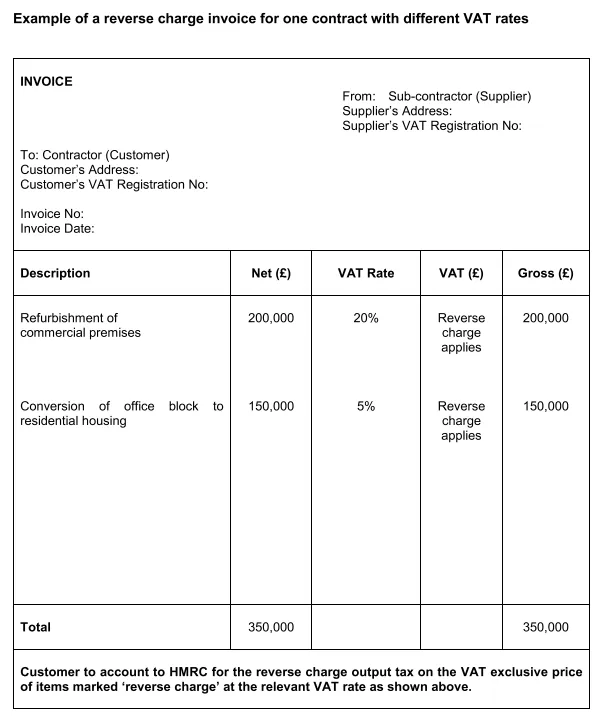
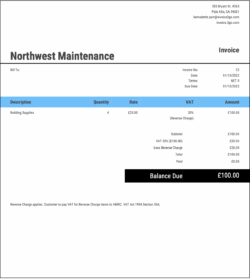
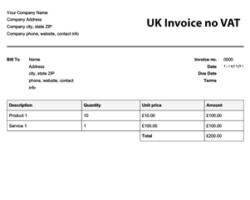
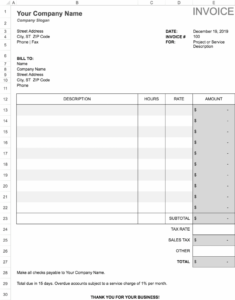
However, not all invoices are created equal, especially when you’re dealing with transactions that involve Value Added Tax. For many businesses, particularly those operating across borders or within specific jurisdictions, including the correct VAT information is non-negotiable. This article will guide you through the essentials of using an invoice template with VAT number details, ensuring your business stays compliant and your finances flow smoothly.
Why Your Invoice Template Needs a VAT Number
When it comes to invoicing, the inclusion of a VAT number isn’t just a suggestion; for many businesses, it’s a legal imperative. Value Added Tax, often simply called VAT, is a consumption tax placed on a product whenever value is added at each stage of the supply chain, from production to the point of sale. Businesses registered for VAT are required to charge it on their taxable goods and services, and subsequently, to report and remit it to the relevant tax authorities.
For your clients, especially other VAT-registered businesses, your VAT number is crucial because it allows them to reclaim the VAT they have paid on your goods or services. Without it, they might face difficulties in their own accounting and tax reclaim processes, potentially leading to delays in payment or even a strained business relationship. An incomplete invoice can be a real headache for everyone involved, and nobody wants that kind of unnecessary friction.
Failing to include a VAT number when legally required can lead to a host of problems for your business. You could face fines, penalties, or even an audit from tax authorities. It also signals a lack of professionalism and compliance to your clients, which can erode trust. Ensuring every detail, especially something as critical as your VAT registration, is correctly displayed on your invoice template with VAT number information is paramount for smooth financial operations and maintaining a good reputation.
Moreover, in jurisdictions like the European Union, cross-border transactions specifically mandate the inclusion of both your business’s VAT number and your client’s VAT number for proper tax treatment and reporting. This ensures that the transaction can be correctly accounted for and that the right amount of VAT is charged, or, in some cases, reversed charged, preventing double taxation and ensuring compliance with international tax agreements. It is a critical component of transparency and legal adherence in today’s interconnected global economy.
Ultimately, a VAT number on your invoice is a mark of legitimacy and compliance. It protects both you and your clients, ensuring that all financial transactions are transparent and accountable. It simplifies the accounting process for everyone, allowing businesses to accurately track and report their VAT obligations and entitlements, making tax season a far less stressful affair.
Key Elements Beyond the VAT Number
- Your full business name and registered address.
- Your client’s full business name and address.
- A unique invoice number for easy tracking and record-keeping.
- The date the invoice was issued.
- A clear description of the goods or services provided.
- The unit price, quantity, and total amount for each item.
- The applicable VAT rate, clearly displayed.
- The total amount due, with and without VAT itemized.
- Your preferred payment terms and due date.
Finding and Customizing Your Perfect Invoice Template
With the importance of VAT numbers firmly established, your next step is to find an invoice template with VAT number inclusion that truly works for your business. There are countless resources available online, from free downloadable templates in formats like Word or Excel to more sophisticated options offered by accounting software. The key is to choose one that isn’t just functional but also reflects your brand’s professionalism and meets your specific invoicing needs. Don’t settle for the first generic template you find; invest a little time in selecting one that can be easily adapted.
Customization is where a good template becomes a great one. While the basic structure remains, you’ll want to personalize it with your company logo, branding colors, and any specific disclaimers or notes relevant to your industry. A professional-looking invoice reinforces your brand identity and makes a lasting impression on your clients. Think of your invoice not just as a demand for payment, but as another touchpoint for your brand. A well-designed, easy-to-read document will always be appreciated.
When evaluating different templates, consider their ease of use and features. Does it automatically calculate totals and VAT? Can you easily add or remove line items? Is it simple to update client information? Look for templates that minimize manual input errors and save you time in the long run. Many modern templates, especially those integrated with accounting software, offer dynamic fields that populate automatically, reducing the chance of oversight and ensuring consistency across all your invoices.
Finally, remember that the best invoice template in the world is only as good as the information you put into it. Always double-check all details before sending, especially the VAT numbers for both your business and your client, the correct VAT rate, and the total amounts. Ensure payment terms are clear and concise to avoid any misunderstandings. Maintaining clear, accurate records of all your invoices is also crucial for accounting purposes and makes tax season significantly smoother.
By leveraging a well-chosen and customized invoice template with VAT number details, you empower your business to handle its financial transactions with precision and professionalism. It helps you maintain compliance, foster strong client relationships, and ensures a healthy financial workflow, giving you more time to focus on what you do best: growing your enterprise. This proactive approach to invoicing sets a solid foundation for your business’s financial health and long-term success, providing peace of mind in every transaction.